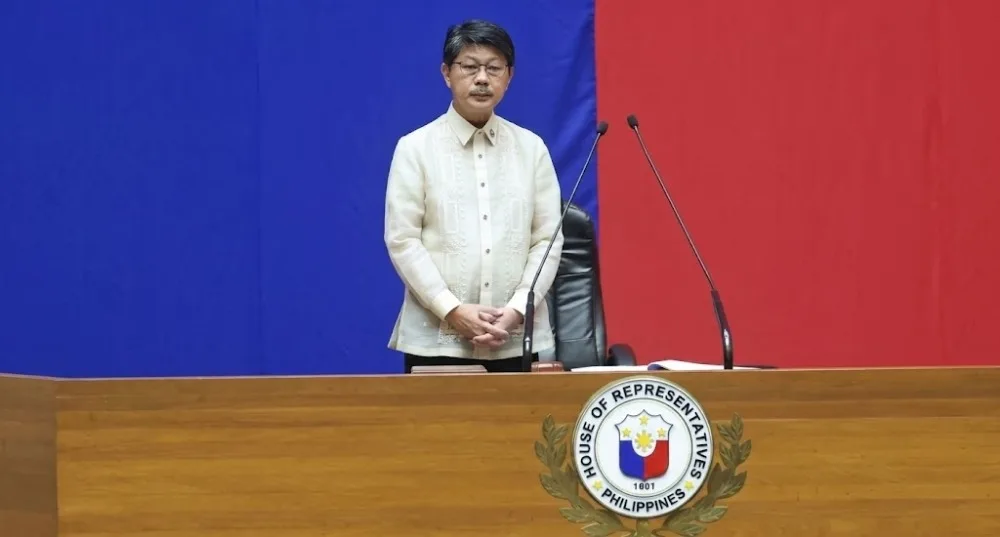
Palawan — The House of Representatives is taking proactive steps to ensure that the next generation of Filipino students is well-equipped to navigate the complexities of the digital age. Recognizing that social media has become deeply integrated into everyday life, lawmakers are championing a comprehensive plan to integrate "Digital Literacy and Ethical Use of Social Media" modules into the K–12 curriculum. This initiative, championed by House Speaker Faustino “Bojie” Dy III and Majority Leader Ferdinand Alexander “Sandro” Marcos, aims to transform digital technology into a tool for learning and development rather than a source of potential harm. By embedding these essential skills into basic education, the government seeks to foster a generation of responsible digital citizens who can think critically, recognize misinformation, and protect their well-being online.
Equipping Students With Essential Skills For The Digital World
The proposed curriculum modules are designed to go beyond simple technology use, focusing instead on cultivating critical thinking and discernment. Students will learn how to evaluate online information, identify the subtle influence of algorithms on their worldview, and recognize the signs of cyberbullying or online exploitation. By fostering these competencies, the program aims to ensure that every student understands how their digital interactions—from every scroll to every share—shape their personal experiences and the broader community. This educational approach is a powerful, positive step toward building resilience and confidence, allowing young people to maximize the benefits of the internet while confidently sidestepping its risks.
Strengthening Crucial Collaboration Between Schools, Parents, And The Government
This initiative recognizes that safeguarding the youth is a shared responsibility that extends from the classroom to the home. The plan includes periodic training for teachers and awareness seminars for parents, ensuring that the message of responsible digital citizenship is consistent and well-supported everywhere. When families and educators work together, they create a stronger support system that helps children build healthy screen-time habits and navigate online spaces with professional guidance. By encouraging device-free community activities alongside digital education, the government hopes to create a balanced lifestyle where children can thrive both in the digital world and their physical neighborhoods.
Fostering A Brighter Future Through Digital Innovation And Safety
The goal of this comprehensive framework is not to limit access to technology but to ensure that it remains a force for good in the lives of young Filipinos. By combining age-appropriate regulations with a robust digital literacy program, the House leadership is paving the way for a safer, more informed, and more creative online environment. Students are encouraged to use these new tools to explore their interests, connect with their peers, and participate meaningfully in society. Ultimately, this push for digital literacy is an investment in the future, empowering children to become discerning individuals who can lead, learn, and grow safely in the expansive digital landscape.