


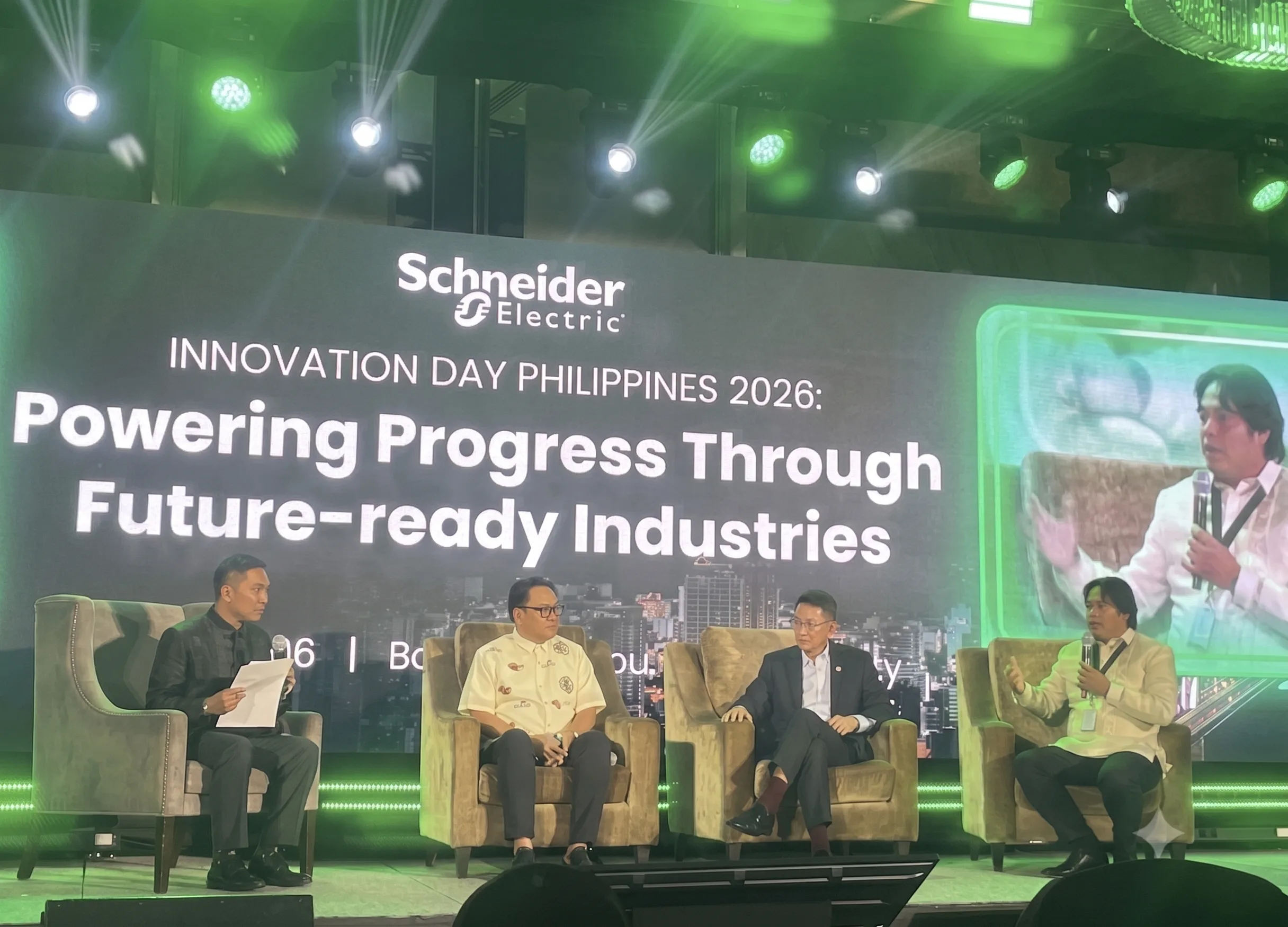
MANDAUE CITY, Cebu — The Energy Regulatory Commission (ERC) has received 17 applications for battery energy storage systems (BESS) in the Visayas and Mindanao, reflecting a strategic shift toward grid flexibility and energy security. The announcement came during the Schneider Electric Innovation Day Philippines 2026 held here.
Addressing the Flexibility Challenge
ERC Executive Director Nancy Aurora Q. Fajardo explained that the power sector's main challenge has evolved. It is no longer just about having enough supply but about system flexibility. Recent yellow and red alerts in the Visayas exposed vulnerabilities caused by forced outages and the growing intermittency of renewable energy.
Battery storage systems are essential to solve this problem. They store excess electricity when production is high, like during sunny hours for solar, and release it when demand spikes or generation drops. This quick response helps stabilize voltage and frequency, preventing costly blackouts and ensuring reliable power for industries.
A Regulatory Framework for the Future
To support this transition, the ERC has introduced several key policy reforms. The Department of Energy now requires new variable renewable energy projects of 10 megawatts or more to integrate storage equal to at least 20% of their installed capacity. This mandate drives direct investment in BESS across the region.
The commission also issued a resolution allowing entities other than the National Grid Corporation of the Philippines (NGCP) to finance and build identified transmission projects. This move aims to speed up the development of critical transmission lines and substations. It removes a major bottleneck that has historically delayed new generation connections.
Updating Rules for Inverter-Based Technologies
The Philippine Grid Code is being updated to reflect the growing role of solar, wind, and battery systems. These inverter-based technologies are now recognized as key contributors to frequency regulation and voltage stability. The updated code ensures the grid can handle their unique characteristics safely and efficiently.
For remote and off-grid communities, the ERC has adopted rules for microgrid systems. Fajardo emphasized that electricity in these areas is not merely a service. It is a foundation for education, healthcare, livelihoods, and economic opportunity.
Strengthening the Investment Climate
Philippine Economic Zone Authority Deputy Administrator April Joy Medico also highlighted the push for digitalization and automation. PEZA is streamlining its processes through a single electronic system to speed up approvals for energy-intensive projects. This includes data centers, cold storage facilities, and advanced manufacturing.
Medico called for stronger coordination between local government units and special economic zones. She said open communication among municipalities, cities, and economic zones in the Visayas is essential. This collaboration creates a more investor-friendly environment and accelerates regional development.
