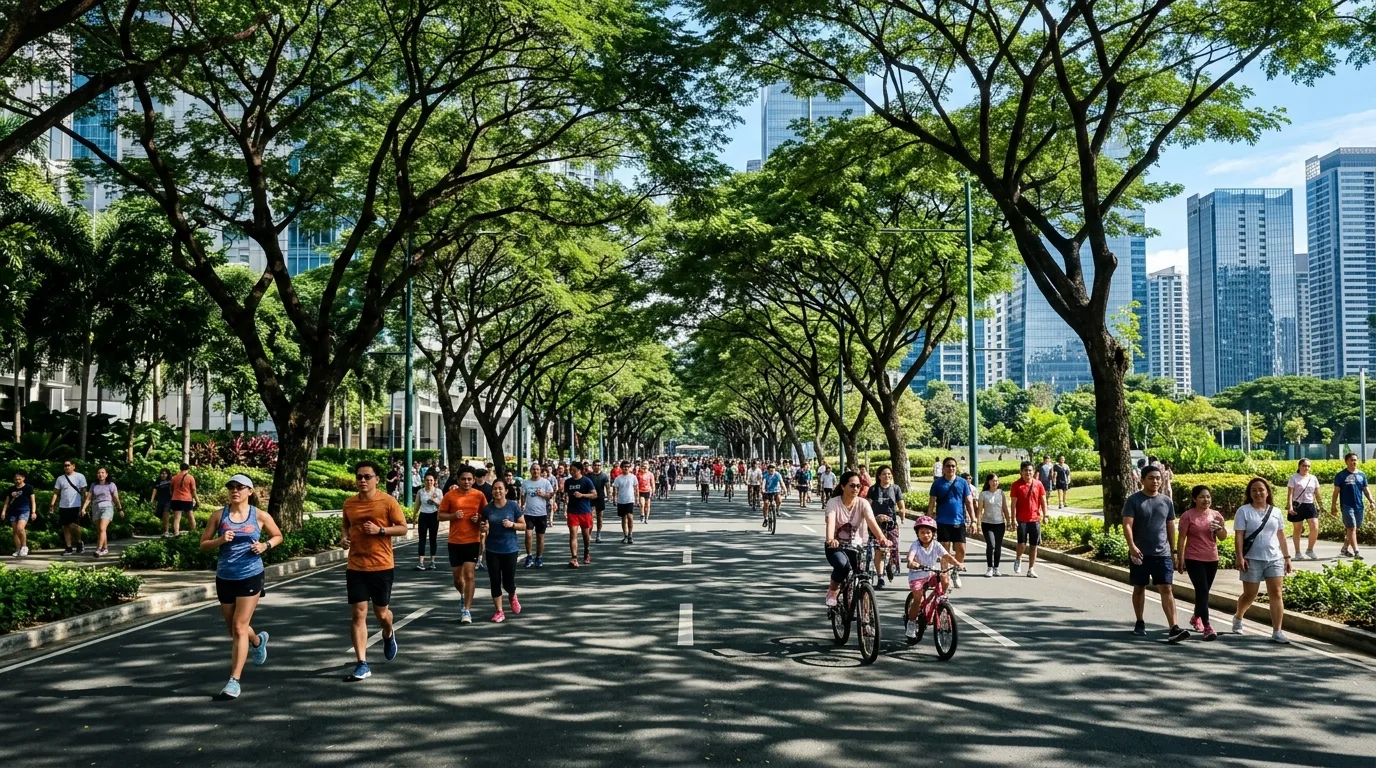
MAKATI CITY — The streets of Salcedo Village will trade vehicle traffic for foot traffic every Saturday and Sunday this August. The “Weekend Shared Street in Salcedo” initiative closes key roads to private cars, opening them for walking, cycling, and outdoor activities.
A New Weekend Ritual
Starting at midnight every Saturday through 11 p.m. on Sunday, Paseo de Roxas will be fully closed to motorists. Parts of Sedeño, Villar, and Leviste streets will also go car‑free or reduce to a single open lane. The move expands Makati’s car‑free Sunday program beyond Ayala Avenue.
The Makati Central Estate Association Inc. is behind the initiative, aiming to give residents and visitors more space to breathe, move, and connect. The program treats roads as shared public spaces, not just corridors for cars. It is a trial that could shape permanent city planning.
Where the Streets Become Parks
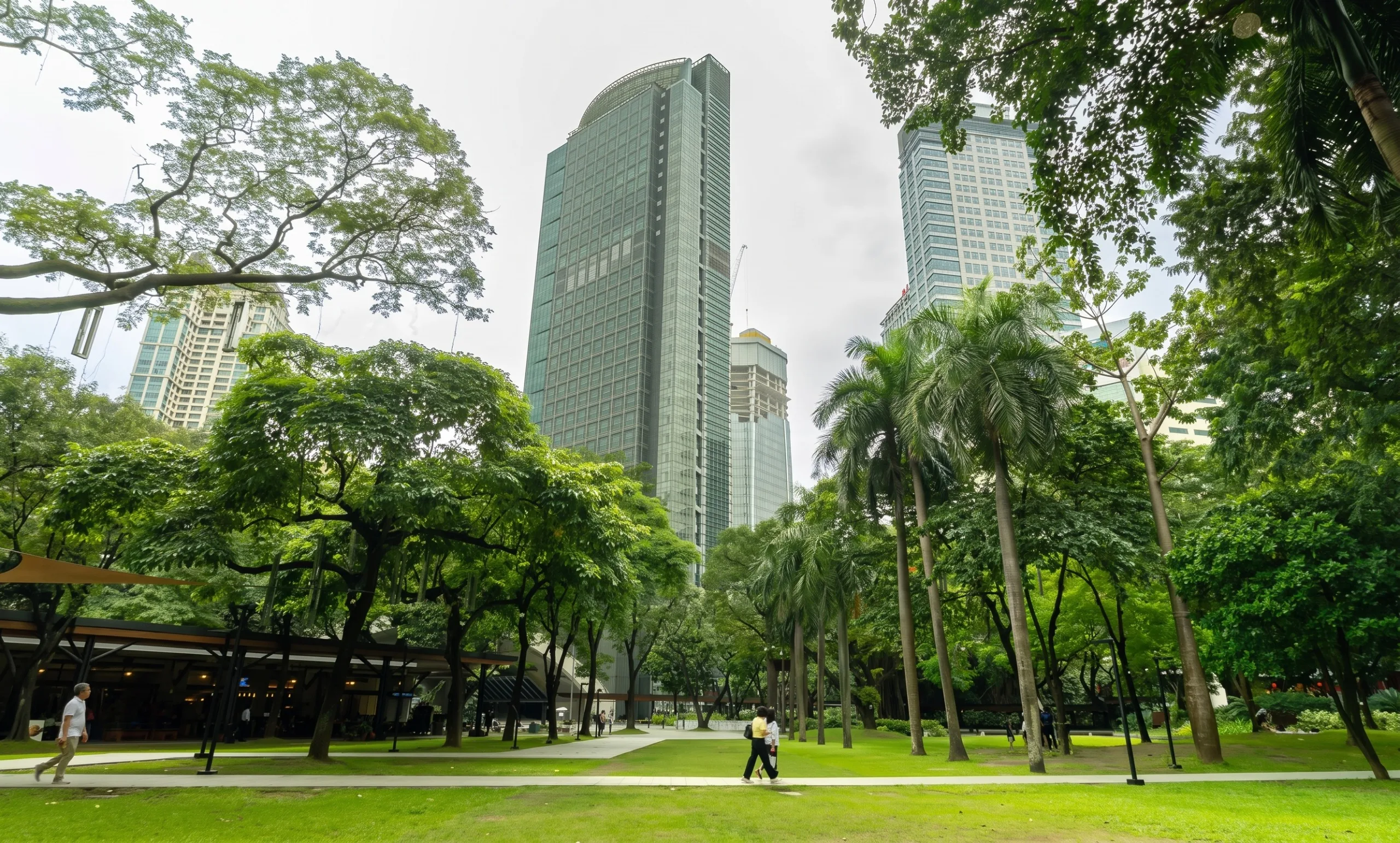
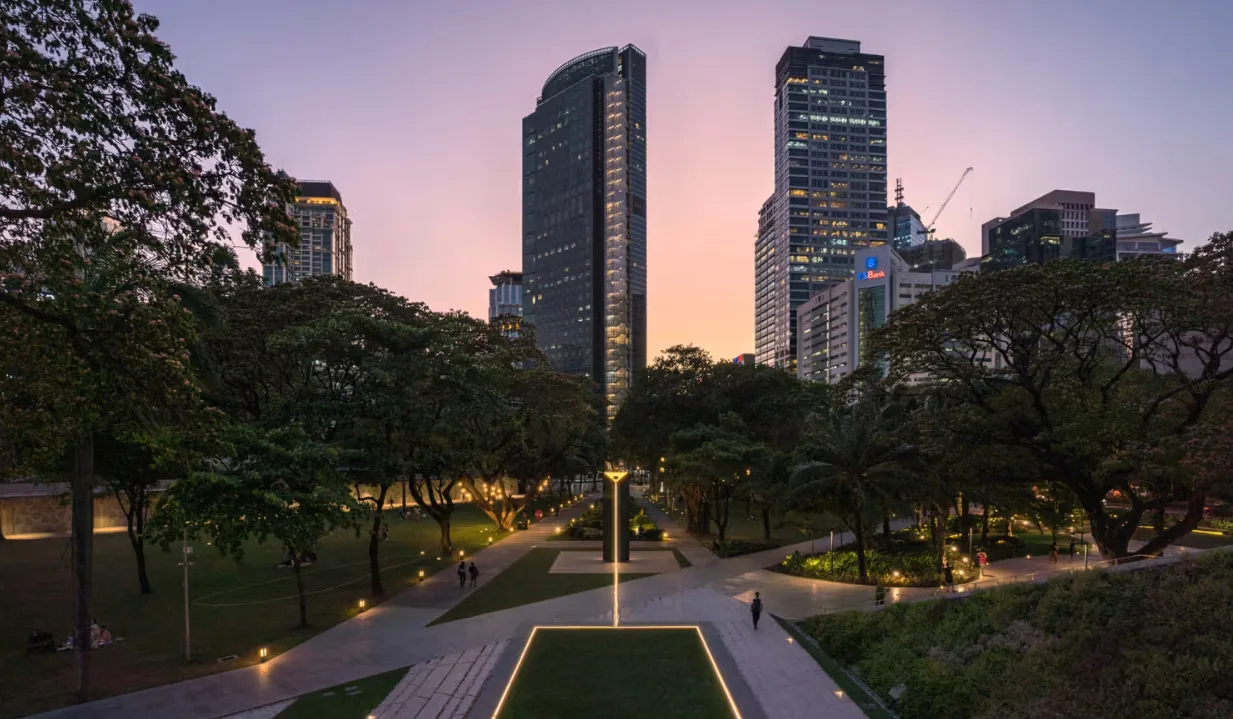
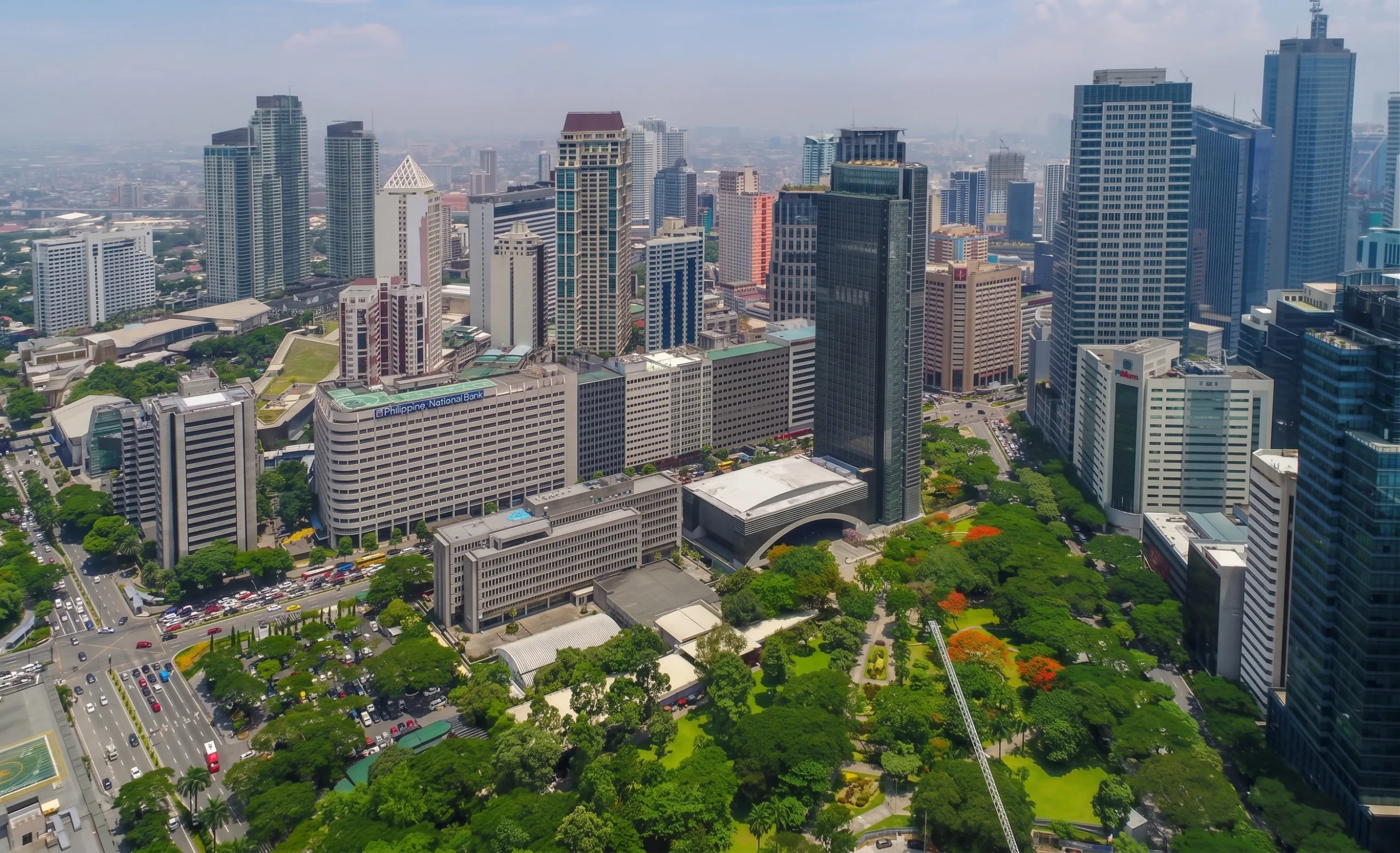
The car‑free corridor will connect Ayala Triangle Gardens to Jaime Velasquez Park, two of Makati’s most popular green spaces. The route essentially becomes a linear park stretching through the heart of the financial district. Families, joggers, and cyclists can roam without the usual hazards of city traffic.
The closures follow a clear plan. Leviste Street directly in front of Jaime Velasquez Park will be fully pedestrianized, while the rest of Leviste keeps a single lane. Sedeño and Villar streets will also retain one lane for essential access. Emergency vehicles and residents will still be able to move.
For Health and Community
Wellness advocates say car‑free streets are more than recreational perks; they are essential for physical and mental health. Wellness instructor Rain Bautista noted that initiatives like this encourage movement, but she stressed the need for more permanent, accessible public spaces. A few weekends should not be the only solution.
Psychiatrist Neil Bryan Zafra echoed the call for more green spaces, saying that urban planning should prioritize parks over shopping malls. Fresh air, open skies, and room to exercise offer a powerful antidote to the stress of city life. The August trial could provide the data needed to make car‑free corridors a regular fixture.
What to Expect on the Ground
Visitors can expect a festival‑like atmosphere with people walking dogs, biking, and practicing yoga on the pavement. Local businesses along the route may see more foot traffic as pedestrians stop for coffee or snacks. The car‑free zone is designed to be inclusive, welcoming everyone from toddlers to seniors.
Traffic marshals and barricades will guide both pedestrians and the limited authorized vehicles. Off‑street parking facilities in nearby buildings will accommodate those who need to drive into the area. The setup aims to balance safety, accessibility, and the freedom to roam.
A Vision for the Future
The August pilot will gather feedback from the community to refine the concept. Organizers hope the experiment proves that fewer cars and more open streets lead to happier, healthier neighborhoods. If successful, similar closures could become permanent or extend to other parts of the city.