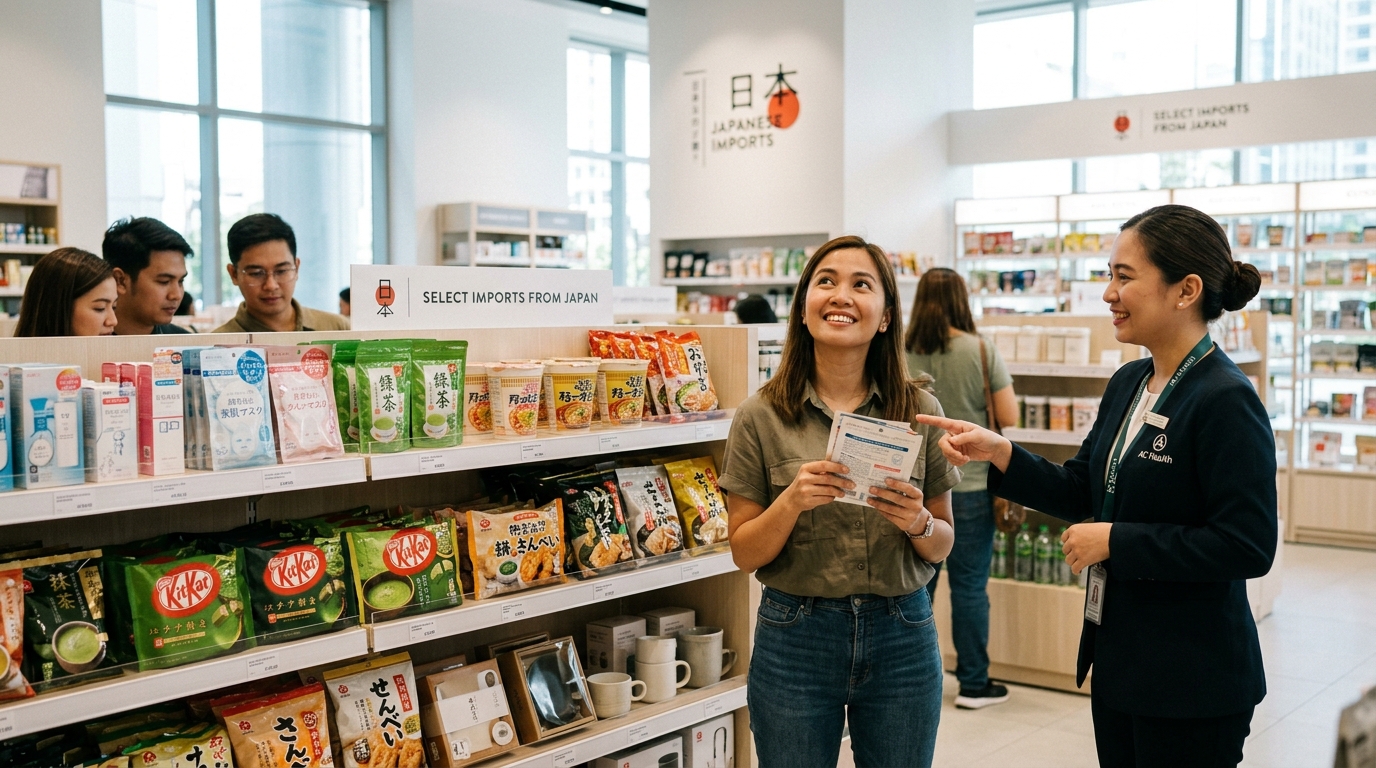
Japan — AC Health, a prominent player in the Philippine market, has recently embarked on a new retail venture, strategically capitalizing on the robust demand from Filipino consumers for Japanese products. This move highlights a significant market trend, where the preference for goods from Japan is increasingly influencing business expansion within the Philippines. The new initiative aims to cater directly to this sustained and enthusiastic consumer base, making a wider array of Japanese items more accessible across the nation.
Mapping Cultural Lifestyle Preferences and the High Demand for Premium Imports
The launch of this venture underscores the perceived quality and desirability of Japanese products among Filipinos. This appreciation spans various categories, from food and beverages to health, beauty, and general merchandise, reflecting a cultural and lifestyle affinity that has deepened over time. The investment by AC Health into this specific retail segment indicates a confident outlook on the continued growth of this consumer preference and aims to solidify its position in meeting these evolving market demands.
Driving Retail Logistics Employment and Maturing International Supply Chains
This new retail venture holds several implications for the Filipino economy and its workforce. Firstly, such an expansion is likely to generate employment opportunities across the retail sector, including store operations, logistics, and supply chain management. This can provide crucial jobs for Filipinos, contributing to local economic growth. Secondly, it enhances consumer choice, offering a broader selection of international products that were previously less accessible or more expensive. For the Philippines, this trend also signals a maturing retail landscape capable of supporting specialized international offerings, potentially attracting further foreign investment and partnerships in the future.
Aligning Remittance Spend with Domestic Accessibility and Competitive Retail Pricing
For Filipinos, particularly those with connections abroad or Overseas Filipino Workers (OFWs) returning home, this development is significant. OFWs often encounter and develop preferences for Japanese goods while working overseas, and their remittances frequently contribute to domestic spending on such items. This venture means that the quality and variety of Japanese products they've grown accustomed to will be more readily available within the Philippines, reducing the need for imports through personal channels or specialty shops. Consumers can anticipate increased competition, potentially leading to better pricing and improved service. Staying informed about new product launches and store locations will allow Filipinos to fully leverage these expanded retail options.