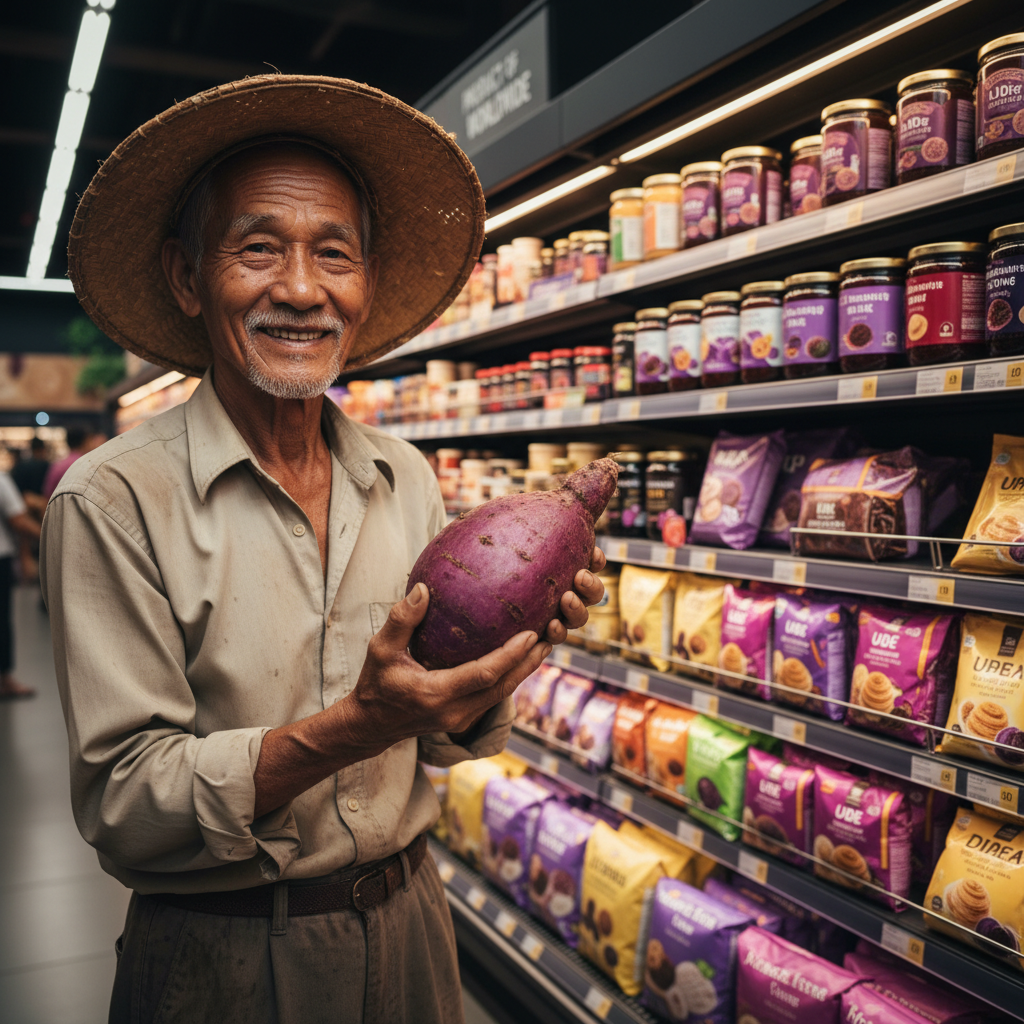
The vibrant purple yam, known as ube, traditionally a beloved ingredient in Filipino desserts and snacks, is experiencing an unprecedented surge in global popularity, marking a surprising success story for Philippine cuisine on the international stage. This humble root crop has transcended its cultural origins, appearing in everything from ice cream and pastries to lattes in major cities worldwide, captivating palates and sparking curiosity about Filipino culinary heritage.
Rising International Craze Meets Shrinking Local Harvests
This burgeoning demand signifies more than just a food trend; it represents a significant cultural export for the Philippines. For countless Filipinos working abroad, the sight or taste of ube offers a powerful connection to home, fostering a sense of pride as their native flavors gain global recognition. However, amidst this sweet triumph, a crucial "warning" has been flagged, hinting at potential challenges that accompany such rapid expansion. While specific details on the nature of this warning remain broad, it typically pertains to the complexities of scaling production, maintaining product authenticity, ensuring sustainable sourcing practices, and safeguarding the quality of ube products as they reach diverse markets.
Boosting Rural Income and Empowering Diaspora Entrepreneurs
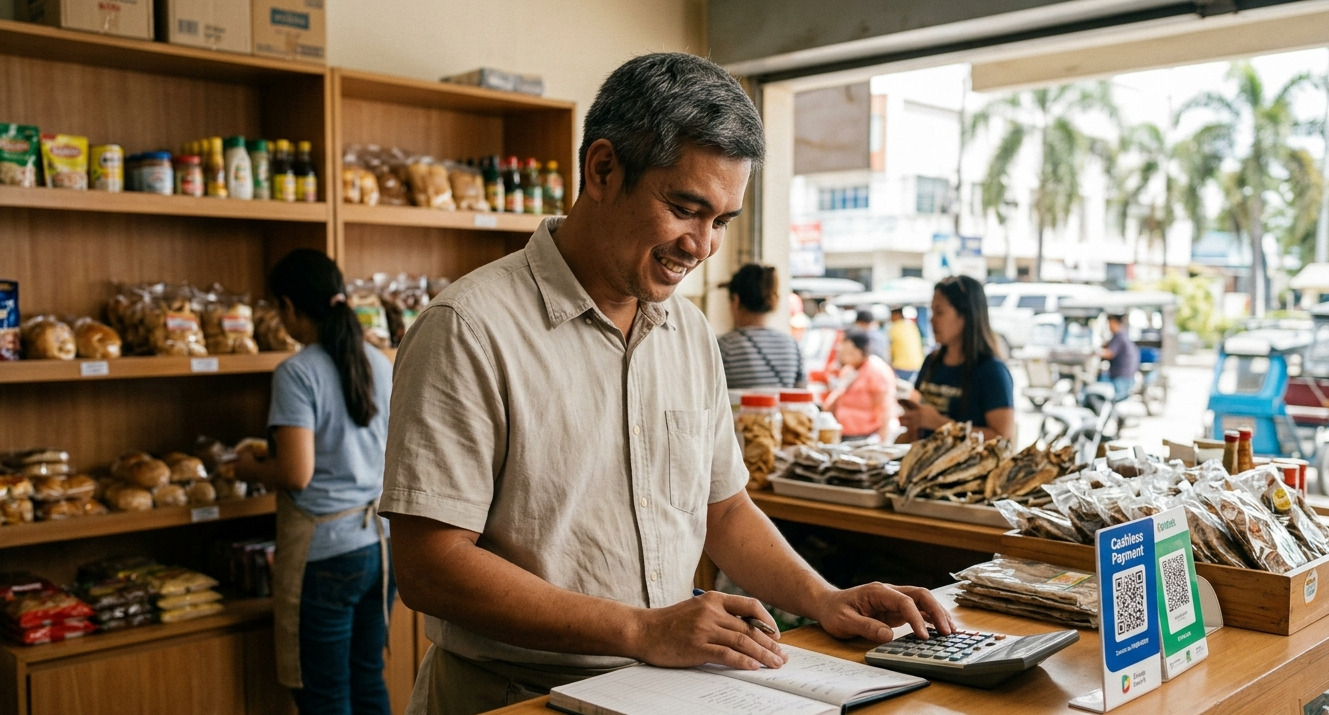
The global embrace of ube carries substantial economic implications for the Philippines. Increased international demand can translate into higher income for local farmers and provide a robust platform for Filipino food businesses to expand, creating jobs and stimulating the agricultural sector. This exposure elevates the profile of Philippine agricultural products and culinary innovation, potentially opening doors for other indigenous ingredients to find their place on the world stage. For overseas Filipinos (OFWs), this cultural phenomenon reinforces their identity and provides a tangible link to their roots, often inspiring entrepreneurial ventures that bring a piece of the Philippines to their adopted countries.
Ethical Sourcing, Fair Trade, and Protecting Authentic Integrity
As ube's success continues to grow, it is vital for Filipinos, both within the Philippines and globally, to be aware of the challenges that accompany such rapid expansion. Protecting the integrity and authentic quality of ube products is paramount to sustaining its global appeal. Consumers should be vigilant about product sourcing and quality, while producers and exporters must prioritize ethical practices, fair trade for farmers, and sustainable cultivation methods. Supporting businesses that genuinely champion Filipino ingredients and local communities will ensure that the "success story" of ube benefits everyone involved, from the farmers who cultivate it to the global consumers who enjoy it.