PHILIPPINES — The Philippines has launched a massive nationwide coconut-planting initiative, targeting millions of seedlings to replace aging and unproductive palms. The drive, part of the 40th National Coconut Week, aims to strengthen the country's position as the world's top coconut oil exporter and secure the future of Filipino coconut farmers.
A Strategic Investment in the Coconut Resource Base
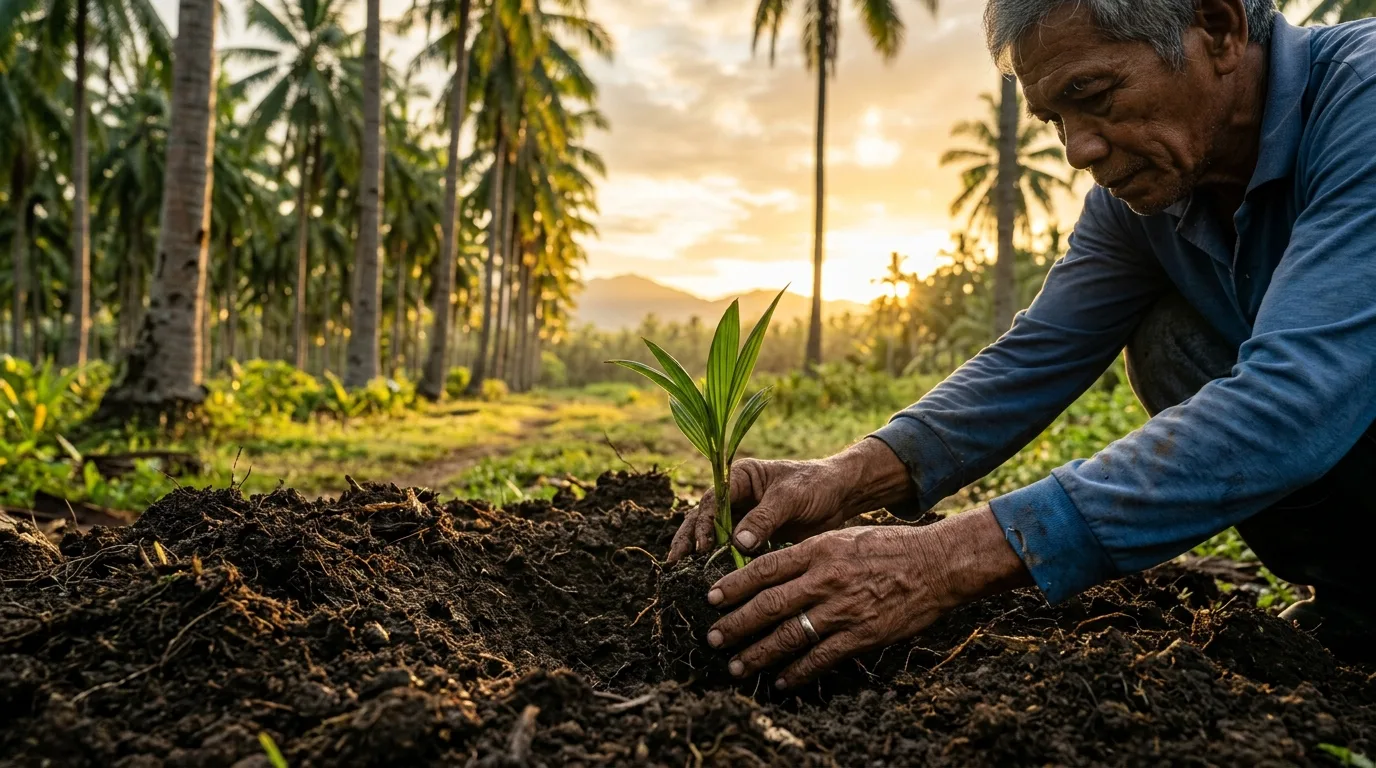
The Department of Agriculture - Philippine Coconut Authority (DA-PCA) spearheaded the initiative, which aligns with the Coconut Farmers and Industry Development Plan (CFIDP). The program focuses on replanting senile trees that have reached the end of their productive lifecycle. This ensures that the country's coconut supply remains robust for decades to come.
"Every new seedling represents more than a future coconut tree," the DA-PCA stated. "It represents the possibility of future harvests, additional farm income, improved productivity, and renewed opportunities for coconut-growing communities." The message underscores the human impact of agricultural renewal.
Strengthening Global Supply Chains
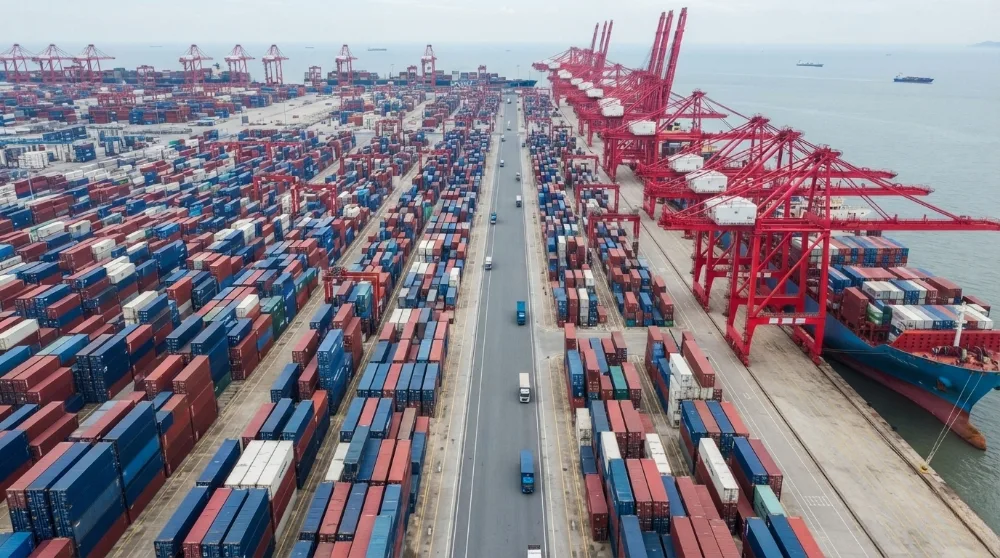
The Philippines is the world's leading exporter of coconut oil and a major supplier of global coconut products. Replacing aging palms prevents a potential supply squeeze as old trees decline. This helps stabilize international prices for coconut oil, coconut water, and desiccated coconut.
Global food manufacturers, cosmetics companies, and industrial chemical producers rely on Philippine coconut exports. Steady production ensures reliable sourcing for everything from coconut milk to lauric acid. The planting drive directly supports green supply chain commitments worldwide.
Securing Livelihoods for Filipino Farmers
Beyond global markets, the initiative directly benefits local communities. New seedlings mean future income for farmers who depend on coconut for their livelihood. Improved productivity translates into higher earnings and better quality of life.
The program emphasizes convergence among government agencies, local government units, and farmers' organizations. This collaborative approach ensures that support reaches ground-level communities effectively. The goal is sustainable, long-term growth for the entire sector.
A Modernized Sector for Global Competition
The nationwide planting drive pressures other top exporters like Indonesia and India to modernize their agricultural infrastructure. A rejuvenated Philippine coconut sector strengthens the country's competitive edge. It ensures that the Philippines remains a dominant force in the global market.
The initiative also supports the shift toward bio-based products. Philippine coconut exports feed demand for eco-friendly surfactants, industrial lubricants, and biofuels. Reliable yields from new palms will power these growing industries.
A Pledge for Future Generations
The 40th National Coconut Week planting activity marks a renewed commitment to the industry. It is a forward-looking investment in the country's agricultural backbone. The seedlings planted today will bear fruit for future generations of Filipino farmers.
The DA-PCA's coordinated effort demonstrates the government's dedication to long-term sustainability. By investing in the coconut resource base now, the Philippines secures its agricultural and economic future. This is a story of resilience, renewal, and national pride.