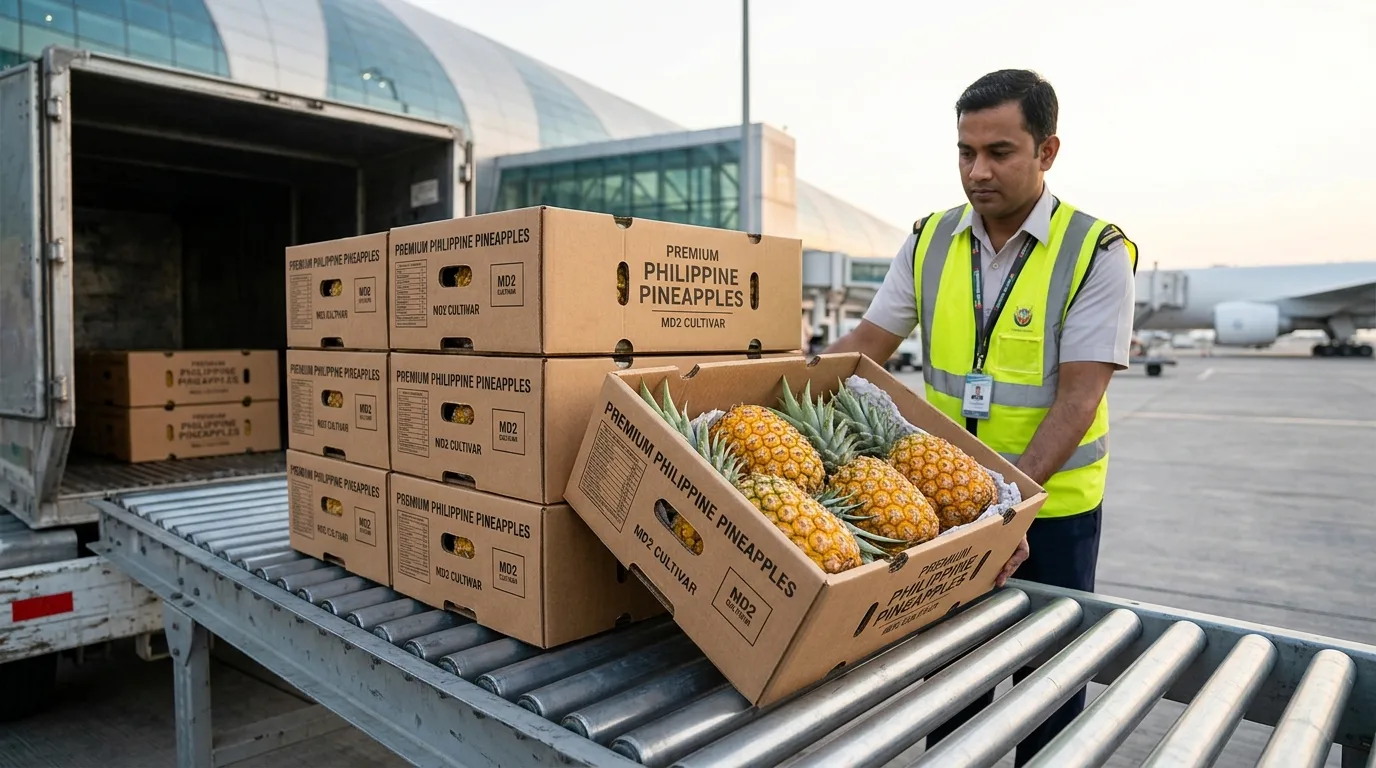
Philippine premium pineapples have officially arrived in the United Arab Emirates, marking a notable expansion of the nation's agricultural presence in the burgeoning Middle Eastern market. This development, while details on specific volumes or immediate distribution channels remain to be fully disclosed, underscores the growing global demand for high-quality produce from the Philippines. The entry into the UAE is seen as a strategic move, positioning Filipino agricultural products for broader reach across the region.
Premium MD2 Cultivars to Penetrate Gulf Cooperation Council Markets
The Philippines is renowned for its sweet and succulent pineapple varieties, which are cultivated with meticulous care and adhere to international quality standards. This latest export success leverages that reputation, bringing a taste of home to the significant number of Filipinos residing and working in the UAE, while also catering to the diverse and discerning consumer base in the Gulf. The UAE, with its robust logistics infrastructure and status as a regional trading hub, serves as an ideal gateway for further penetration into other Middle Eastern countries.
Driving Rural Livelihoods and Foreign Exchange Liquidity Through Agro-Exports
For Filipinos, both at home and abroad, this agricultural milestone carries significant weight. Increased exports translate directly into greater foreign exchange earnings for the Philippines, which can bolster the national economy and stabilize the peso. More demand for Filipino produce means potential for job creation in the agricultural sector, from farming and harvesting to processing, packaging, and logistics. This directly benefits rural communities and provides a stable livelihood for countless Filipino families. Furthermore, the success of Philippine agricultural products on the international stage enhances the country's global brand. It showcases the quality of Filipino labor and produce, fostering national pride among overseas Filipino workers (OFWs) who contribute significantly to the economy through remittances. Their presence in markets like the UAE also creates a natural demand and appreciation for goods from their homeland, creating a symbiotic relationship between migrant workers and national exports.
Modernizing Agricultural Infrastructure to Sustain High-Value Trade Partnerships
This expansion into the UAE is a positive indicator for the future of Philippine agriculture and the broader economy. Filipinos should recognize this as a testament to the quality and competitiveness of their country's products. For OFWs in the Middle East, this means greater access to familiar, high-quality goods, providing a comforting connection to home. For those in the Philippines, it signals potential opportunities for employment and growth within the agricultural value chain. Continued support for local farmers and investment in modern agricultural practices will be crucial to sustain and expand these export successes, ensuring that more Filipino products reach global tables and benefit families back home.