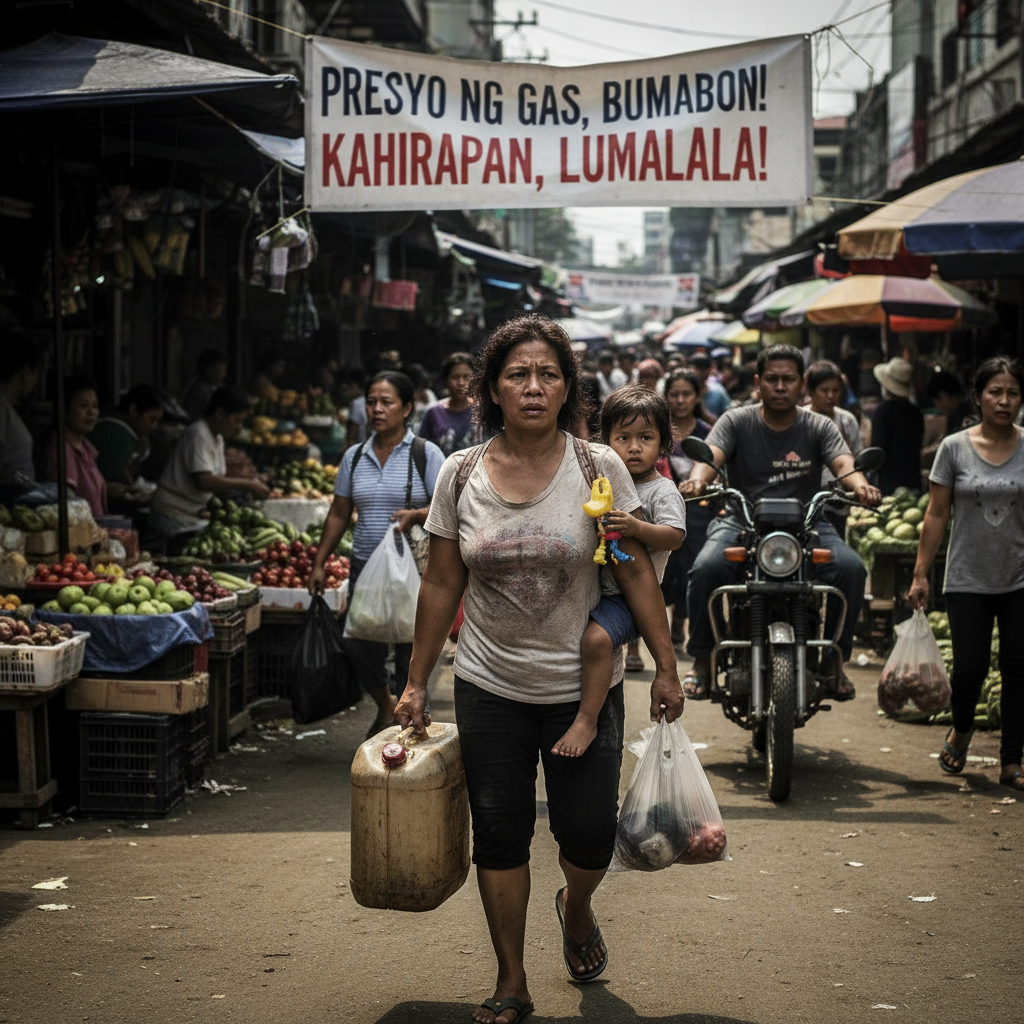
The Philippine government is bolstering its "tripartite action" framework, a collaborative effort involving government agencies, employer groups, and labor organizations, to safeguard employment as global fuel costs continue to climb. This crucial strategy directly addresses the economic pressures faced by millions of Filipino workers and their families, both within the archipelago and those reliant on remittances from Overseas Filipino Workers (OFWs). Rising fuel prices globally translate into increased operational costs for businesses, potentially forcing them to make difficult decisions regarding employment levels and wages. This tripartite approach aims to create a unified front to prevent widespread job displacements, negotiate fair labor practices, and implement support mechanisms that cushion the impact of these economic headwinds on the Filipino workforce. By fostering dialogue and cooperation, the initiative seeks to find balanced solutions that protect livelihoods while ensuring business sustainability. Why It Matters This renewed focus on job protection is critical for the Philippines' overall economic resilience. A stable domestic job market directly impacts household incomes, consumer spending, and the broader national economy. When local employment is secure, it can alleviate some of the pressure on Filipinos to seek opportunities abroad, fostering a more robust internal economy. For families of OFWs, a stable job market back home means their hard-earned remittances can go further in supporting sustainable livelihoods, rather than merely covering basic necessities during times of economic uncertainty. The ripple effect of fuel costs on transportation, manufacturing, and consumer goods underscores the urgency of such proactive measures to prevent economic distress from cascading through communities. What Filipinos Need to Know Filipinos, whether working domestically or supporting families from abroad as OFWs, should view this initiative as a commitment from the government, employers, and labor sectors to prioritize their job security. While specific programs stemming from this strengthened action will be announced, it signals an intent to monitor economic conditions, address potential challenges proactively, and ensure labor rights are protected. Staying informed about government advisories, labor department programs, and industry-specific initiatives will be essential. This tripartite effort highlights the shared responsibility in navigating global economic challenges, offering a collective pathway towards ensuring sustained employment and economic stability for every Filipino family.