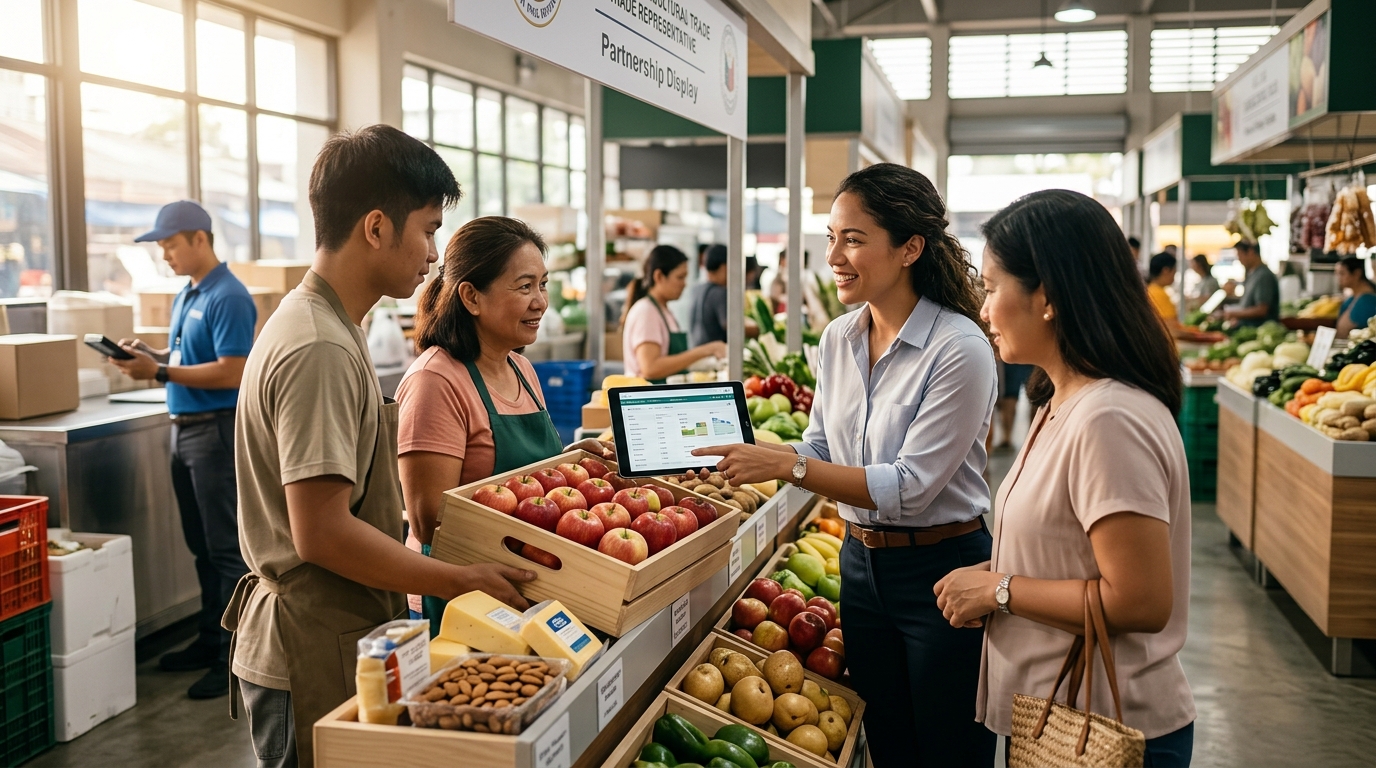
The U.S. Embassy in the Philippines recently underscored its commitment to fostering robust agricultural partnerships and promoting top-quality American farm products within the archipelago. This initiative highlights the ongoing collaboration between the two nations, focusing on strengthening the Philippine agricultural sector and ensuring access to diverse, high-standard food resources for the Filipino people.
Boosting the Supply Chain through Advanced Tech and Logistics
This emphasis by the United States aims to bolster the local food supply chain, potentially introducing advanced farming techniques, improved logistics, and new market opportunities for both American and Filipino producers. Such collaborations can range from technology transfer and capacity building for Filipino farmers to expanding the availability of premium food items in Philippine markets. For many Filipino families, this could mean greater variety and higher quality in their daily meals, from fresh produce to processed goods.
Economic Stability and Food Security for Filipino Households
For the Philippines, a nation where agriculture remains a cornerstone of its economy and a significant employer, these partnerships carry substantial weight. They can translate into enhanced productivity for local farmers, creating more stable incomes and potentially new job opportunities in processing, distribution, and retail sectors. A robust agricultural sector is also critical for national food security, reducing reliance on volatile global markets and ensuring that Filipino households, including those supported by Overseas Filipino Workers (OFWs), have consistent access to nutritious food. Beyond direct economic benefits, such collaborations often lead to an exchange of best practices, elevating industry standards across the board.
Navigating New Markets and Securing the Nation’s Food Future
Filipinos, whether residing in the country or working abroad, should recognize these developments as part of a larger effort to secure the nation's food future and strengthen its economic resilience. For consumers, this could mean an expanding array of choice and quality in local markets. For those involved in agriculture, it signals potential avenues for growth, training, and market access. OFWs, whose remittances often support families and local businesses, will find that a more stable and prosperous domestic economy, partly fueled by such partnerships, contributes to the overall well-being of their communities back home. Staying informed about these agricultural advancements can help individuals and communities leverage new opportunities and adapt to evolving food landscapes.