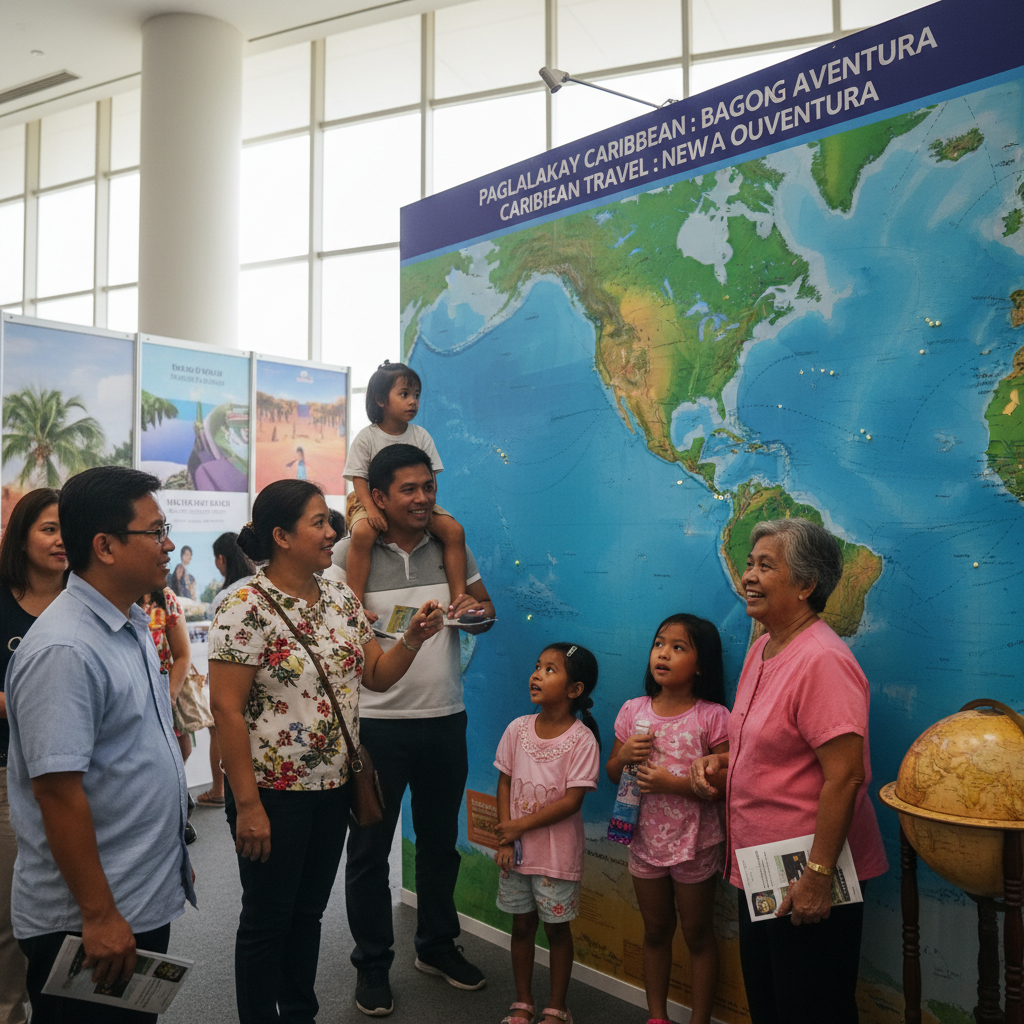
The Philippines is set to play a pivotal role in a major international push to revitalize Caribbean tourism, joining Singapore, Timor-Leste, Malaysia, and Indonesia in an ambitious initiative targeting significant growth by 2026. This collaborative effort aims to achieve double-digit visitor growth and record-breaking revenue for the Caribbean region, signaling a strong global recovery for the travel and tourism industry. This strategic collaboration highlights the growing interconnectedness of global tourism markets, with Southeast Asian nations, including the Philippines, recognizing the untapped potential of the Caribbean. While specific details on the Philippines' direct contributions to this "boosting" effort—whether through direct flights, marketing campaigns, or investment—remain to be fully outlined, its inclusion underscores the nation's increasing influence in international tourism development and its commitment to global economic recovery. The projected surge in visitors and revenue in the Caribbean could translate into a greater demand for skilled labor across various sectors supporting the tourism ecosystem.
Southeast Nations Effect in the Philippines
For the Philippines, a nation renowned for its hospitality and a significant exporter of skilled labor, this development carries considerable weight. A thriving Caribbean tourism sector could open new gateways for Filipino professionals seeking overseas employment. The hospitality industry, including resorts, hotels, cruise lines, and related services, is a traditional stronghold for the Filipino workforce. Increased demand in the Caribbean could mean more job opportunities, leading to enhanced remittances that bolster the Philippine economy. Moreover, the Philippines' participation in such a high-profile international endeavor also elevates its standing as a key player in global economic initiatives.
Filipino Hospitality Majors Opportunity
Filipinos, particularly those working or aspiring to work in the hospitality, culinary, and service industries, should closely monitor these developments. The anticipated growth in Caribbean tourism by 2026 may present new employment opportunities in a region not traditionally considered a primary destination for Overseas Filipino Workers (OFWs). Job seekers must ensure their skills are competitive and aligned with international standards. As these opportunities emerge, vigilance against illegal recruitment schemes remains paramount. Aspiring OFWs should always verify job offers through legitimate channels and government-approved agencies to ensure their safety and welfare. This expansion could diversify the global footprint of Filipino workers, offering new horizons beyond traditional markets.