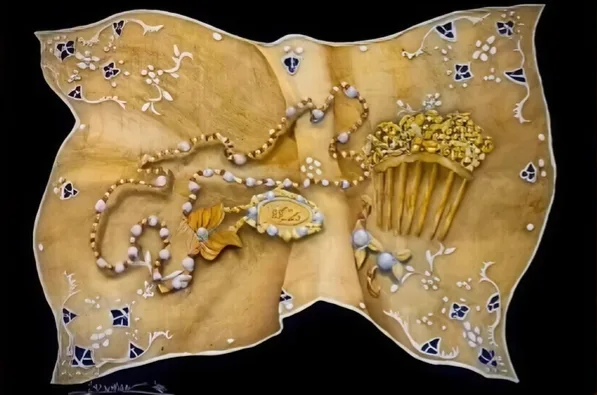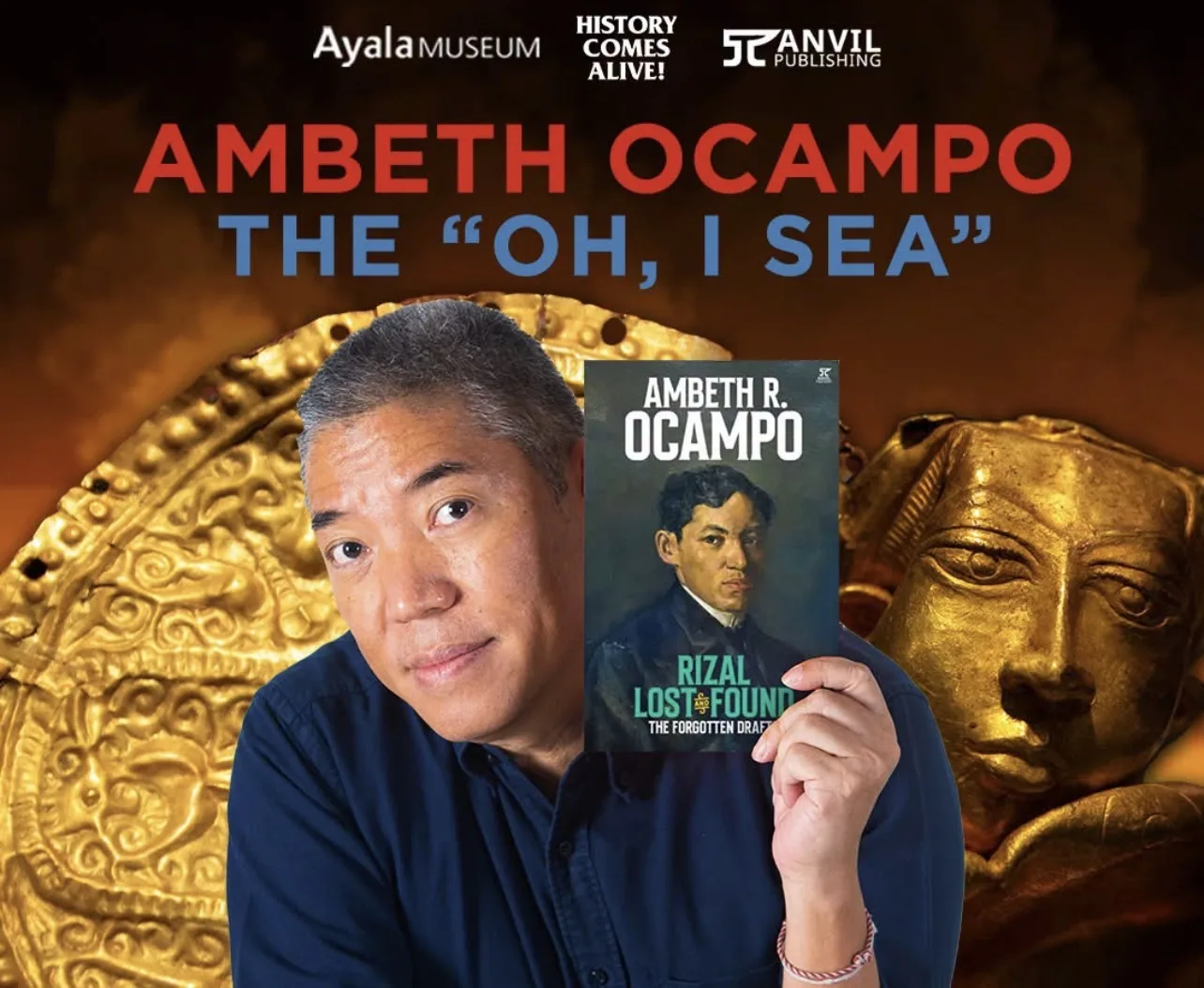
MAKATI CITY — The story of the Philippines extends far beyond the colonial period, with early records revealing communities that had already developed complex social relationships, trade practices and cultural traditions. These lesser-known chapters will be explored in the final installment of Ayala Museum’s History Comes Alive lecture series on November 14, featuring historian Dr. Ambeth R. Ocampo. Through early Spanish-era accounts and ancient copperplate inscriptions, Ocampo will examine how gold functioned as more than a symbol of wealth in pre-colonial society, serving as an important expression of trust and social relationships. The discussion offers audiences an opportunity to reconsider the country's early history through historical evidence that sheds light on the lives and practices of its ancestors.
Examining the Meaning of Gold in Early Society
The lecture will draw attention to how historical documents help reconstruct the economic and cultural landscape of the Philippine islands before Spanish colonization. Among the significant records connected to this period is the Laguna Copperplate Inscription, a tenth-century document that provides evidence of established communities, social arrangements and connections with neighboring parts of Southeast Asia. Its references to debt settlement and relationships among individuals offer valuable insight into how early societies handled obligations and maintained social order. By examining these sources, the session aims to highlight the sophistication of pre-colonial communities and the importance of understanding their history through surviving records rather than viewing the past solely through colonial accounts.
Closing the Lecture Series With a Book-Signing Session
The November 14 gathering marks the final session of the museum’s 2026 History Comes Alive program, following earlier lectures on the Battle of Mactan and the Battles of La Naval. After the lecture, ticket holders will have the opportunity to meet Ocampo during an exclusive book-signing session scheduled from 3 p.m. to 4 p.m. Queue numbers will be distributed on a first-come, first-served basis upon claiming tickets at the venue, with a limit of three eligible books per attendee. A dedicated lane will also accommodate senior citizens, persons with disabilities and pregnant attendees, while only books written by or featuring Ocampo will be accepted for signing. The closing program brings together historical learning and an opportunity for readers to engage with the historian and his published works.