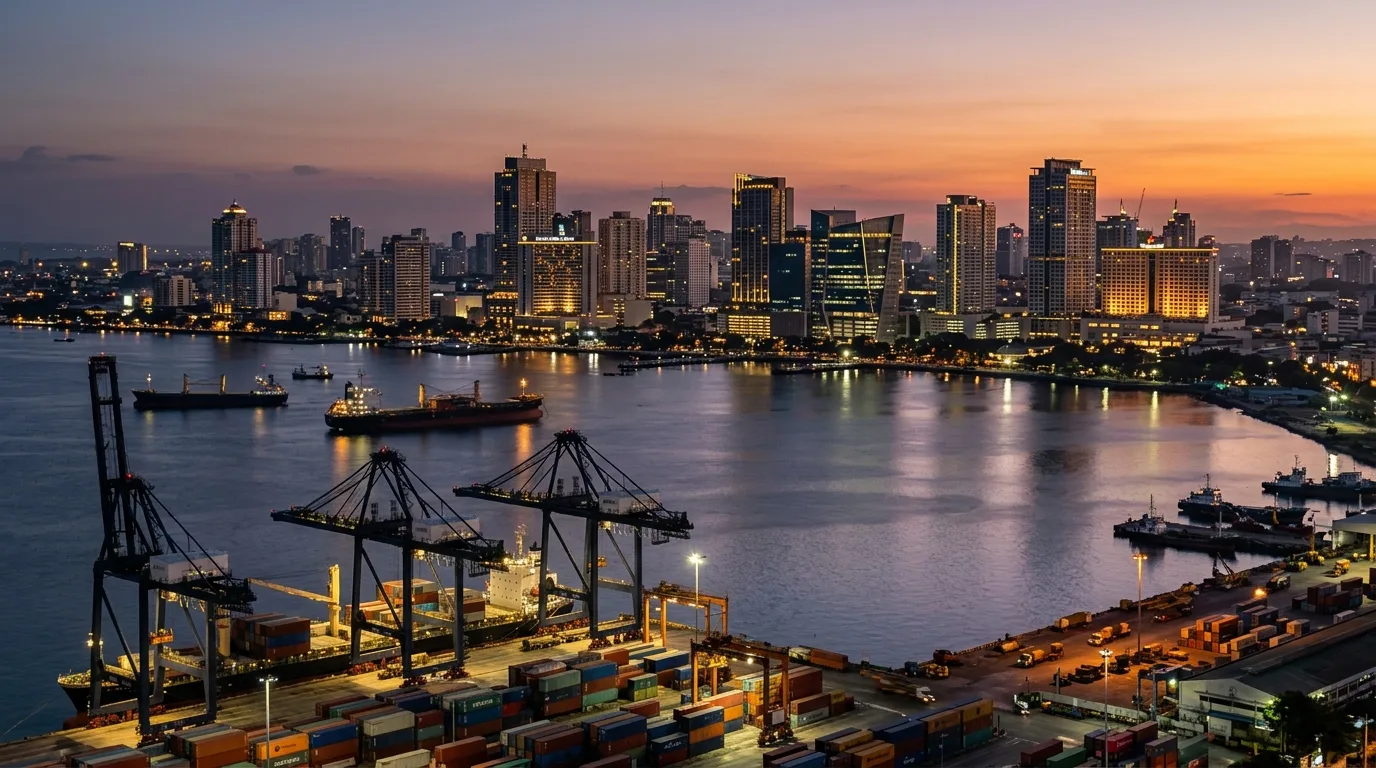
CEBU — The Philippine logistics industry should prepare for a stronger economic rebound in 2027 as infrastructure spending resumes, economist Ronilo Balbieran said during the Mandaue Chamber of Commerce and Industry's 3rd Logistics Conference on September 24, 2026. He described the current slowdown as cyclical, not structural.
A Cyclical Slowdown, Not a Structural Collapse
Balbieran, an infrastructure and logistics specialist from the University of Asia and the Pacific, attributed roughly 90 percent of the current economic weakness to infrastructure underspending. He noted that government construction fell 32.4 percent, dragging down the broader economy. The second quarter of 2026 saw GDP growth of just 2.3 percent, the weakest since 2009 outside the pandemic.
He rejected the notion that high oil prices were the primary culprit. Instead, he pointed to persistent underspending on public infrastructure, which had reached pandemic-like proportions over four consecutive quarters. This shortfall froze construction activity and reduced demand across industries that depend on government projects.
The Great Recovery of 2027
Balbieran forecast a significant turnaround next year, citing projections from major multilateral institutions. The International Monetary Fund sees growth at 5.5 percent, while the World Bank and Asian Development Bank forecast around 5.2 to 5.3 percent. Moody's and the government also expect approximately 5.3 percent.
The expected rebound hinges on a reversal in public construction spending. Infrastructure investment has an outsized impact because construction feeds demand for materials, transportation, warehousing, and retail services. Balbieran estimated construction's multiplier effect at about 2.2, meaning renewed spending could generate additional demand well beyond the initial government outlay.
Preparing for the Uptick
Balbieran urged logistics companies to use the remaining months of 2026 to prepare capacity ahead of the recovery. He advised them to line up construction-material suppliers, contractors, and project cargo accounts before demand accelerates. Once government projects gain momentum, logistics demand for warehouses, trucking, and equipment will follow.
He also warned of potential labor shortages as the economy recovers. Drivers, warehouse supervisors, and skilled logistics workers could become harder to secure once construction and investment accelerate. Companies should invest now in technology, workforce training, and operational capacity rather than waiting for demand to return.
Cebu's Strategic Advantage
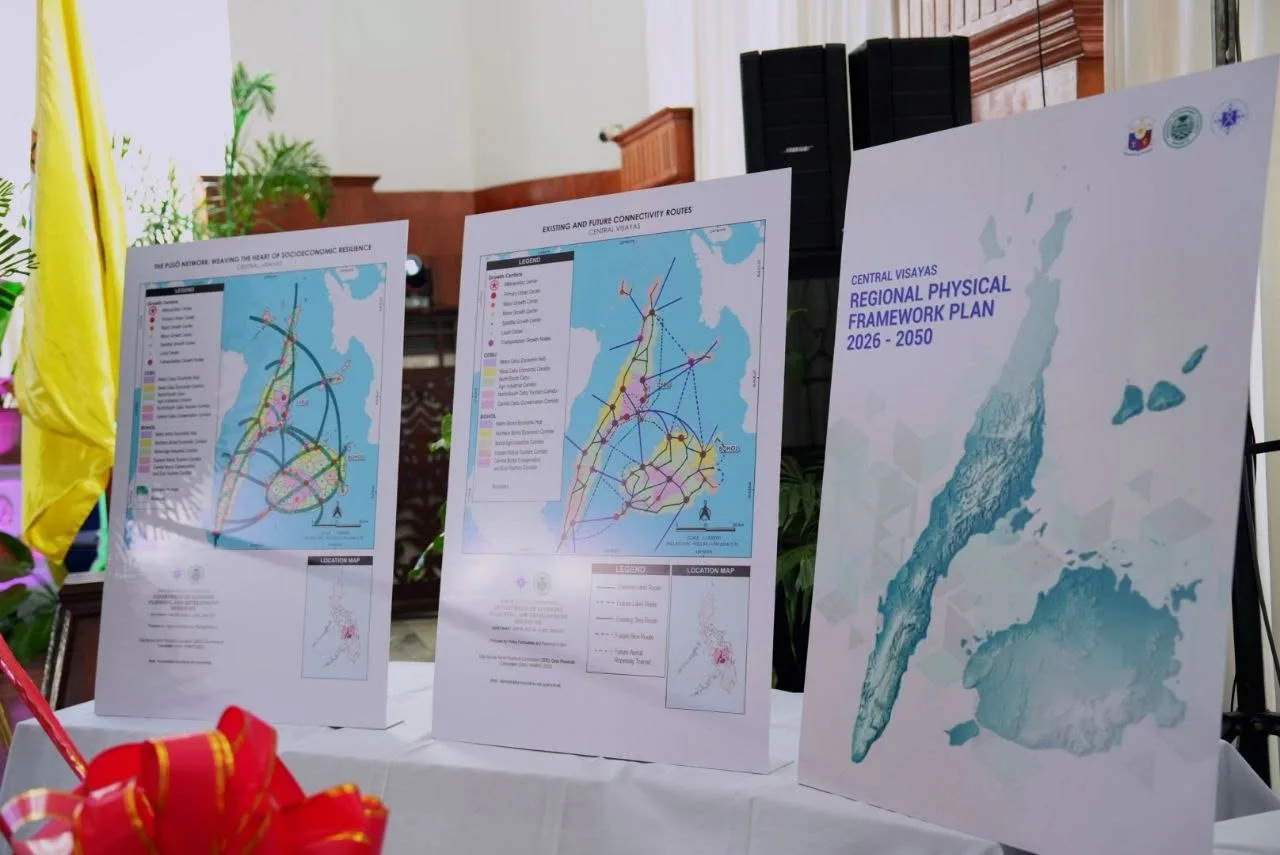
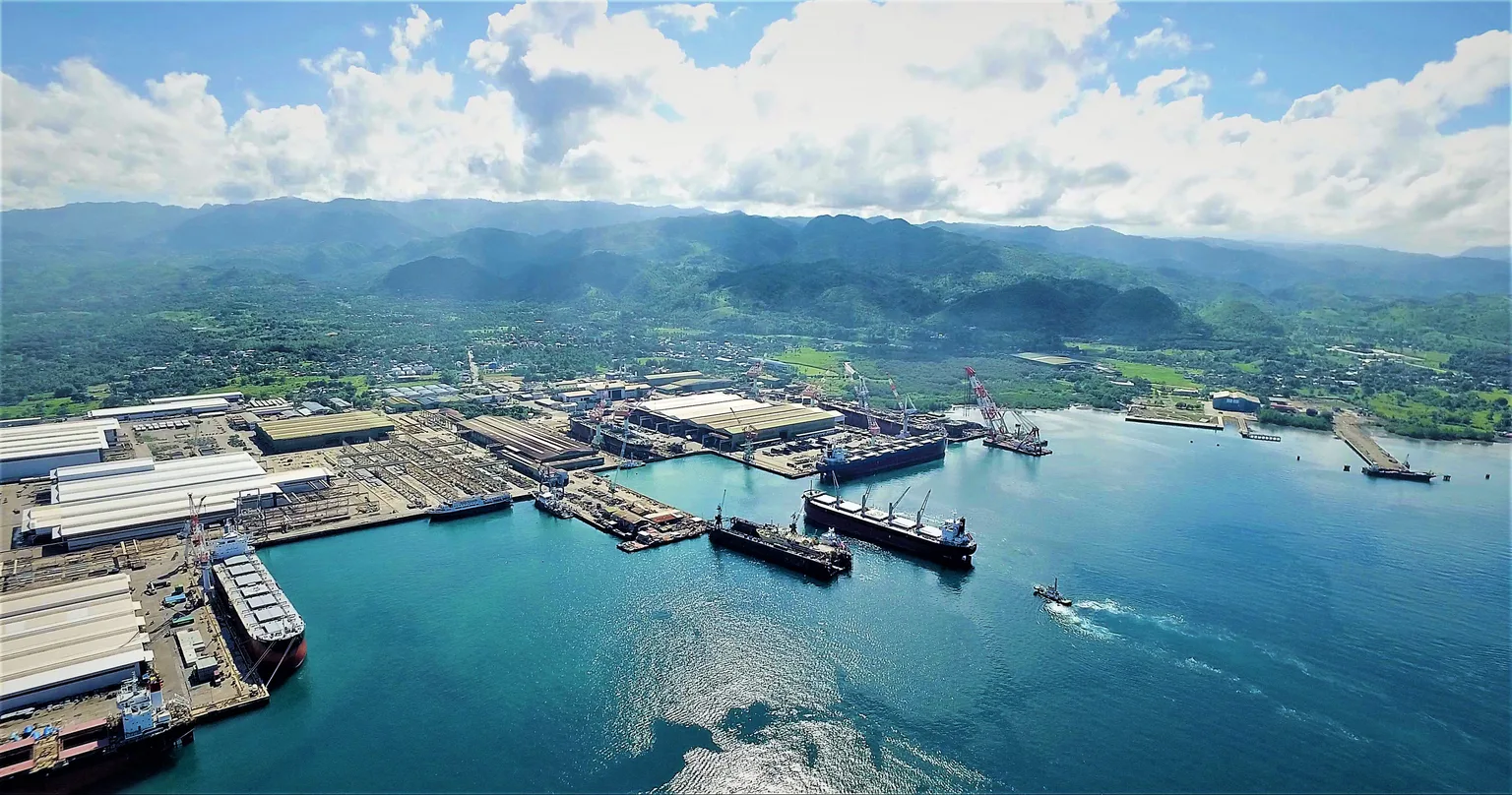
The recovery could reinforce Cebu's role as a logistics and commercial hub outside Metro Manila. Balbieran argued that the province's geographic position and existing infrastructure give it a structural advantage as economic activity becomes more distributed beyond the capital. E-commerce, data centers, and advanced manufacturing are likely to create new logistics requirements.
MCCI President Barbara "Bambi" Gothong-Tan said the annual conference serves as a venue for the business community to examine challenges affecting logistics and supply chains. She emphasized the importance of continued dialogue among stakeholders as businesses navigate changes in the environment.