


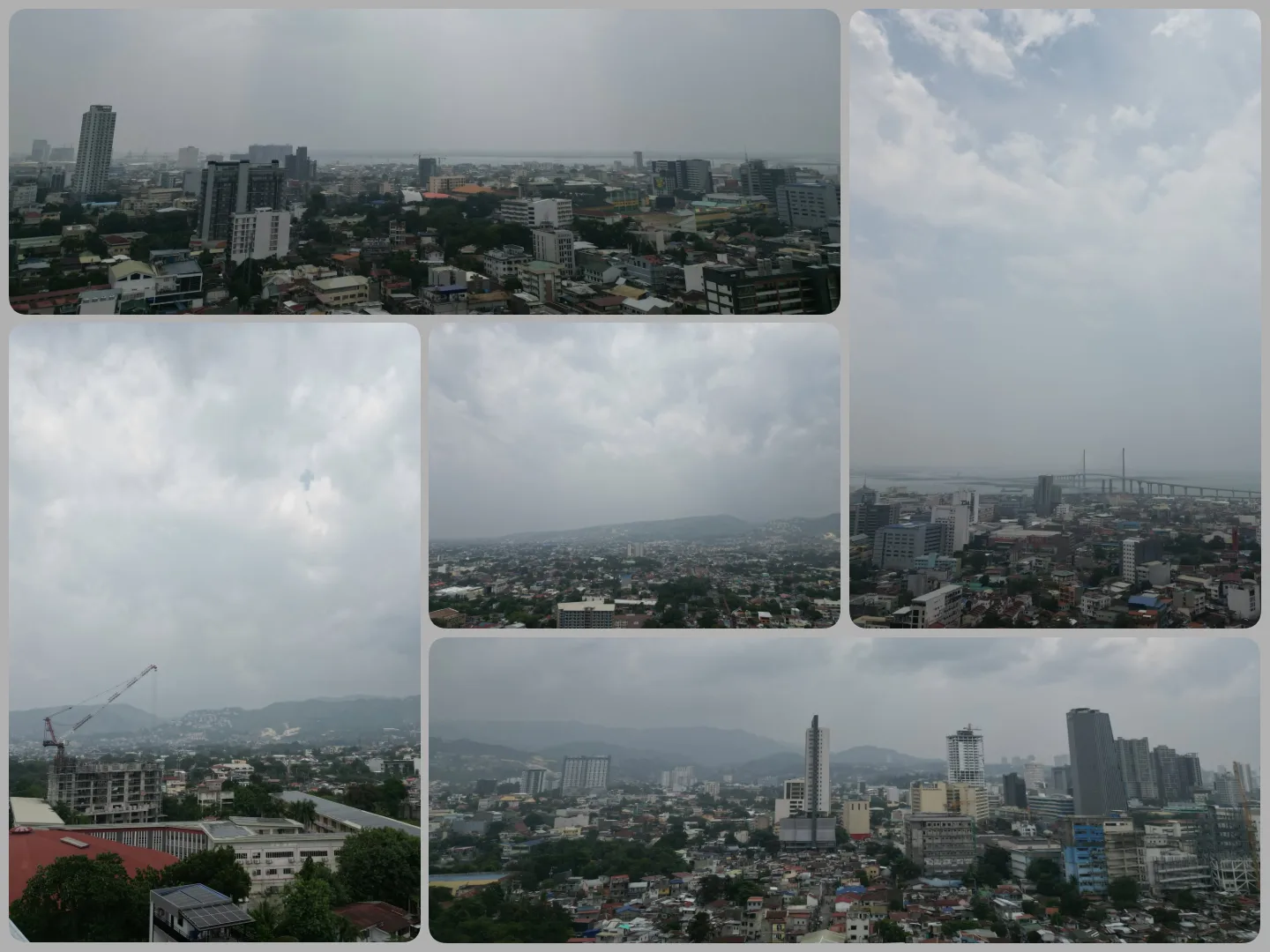
CEBU CITY — Metro Cebu is experiencing its worst air quality in recent memory as transboundary haze from Indonesian forest fires blankets the region. The Environmental Management Bureau has recorded Air Quality Index levels between 203 and 215, placing Talisay City and surrounding areas in the "Acutely Unhealthy" category.
A Region Under Haze
The haze is driven by fine particulate matter (PM2.5) carried by the southwest monsoon from fires in Kalimantan, Indonesia. EMB Region 7 monitoring shows dangerous concentrations of these particles across Metro Cebu, including Cebu City, Mandaue, and Lapu-Lapu. The pollution is also drifting toward the Camotes Islands and parts of Eastern Visayas.
DENR-EMB's Jundy Del Socorro explained that air quality is dynamic and constantly changing based on pollution sources and weather patterns. While Metro Manila saw improvement on Wednesday, the haze shifted toward Central and Southern Philippines. Talisay City and Cagayan de Oro City recorded "acutely unhealthy" levels, the highest category in the air quality index.
Health Risks for All, Especially the Vulnerable
PM2.5 particles are so fine they can be inhaled deep into the respiratory system and may enter the bloodstream. This poses significant health risks, particularly for people with existing respiratory or cardiovascular conditions. Children, the elderly, and pregnant women are also more susceptible to the effects of poor air quality.
The Department of Health Region 7 has strongly advised everyone to stay indoors as much as possible. Windows should remain closed to prevent polluted air from entering homes. Outdoor exercise should be avoided, and N95 or KN95 masks are recommended for anyone who must venture outside.
Local Governments Take Swift Action
Several local government units have responded proactively to protect residents. Cebu City, Lapu-Lapu City, and Talisay City suspended face-to-face classes in public and private schools. This measure aims to shield students from prolonged exposure to hazardous air.
The Cebu City government also encouraged private businesses to adopt work-from-home arrangements for non-essential staff. Employers with essential outdoor workers were urged to provide N95 or KN95 masks and limit outdoor shift durations. These steps reflect a coordinated effort to minimize public health risks.
Staying Informed and Protected
The DENR-EMB advises the public to monitor air quality updates from official government sources. Conditions can change throughout the day depending on wind direction and rainfall. The southwest monsoon may also bring rain that helps remove fine particles from the air.
For those who need to be outdoors, wetting ordinary face masks or handkerchiefs can help fine particles stick to the fabric. Staying hydrated and limiting strenuous activities are also important. The haze may look like simple fog, but it carries serious health implications that require attention and care.
A Community Facing a Shared Challenge
The haze is a reminder of how environmental issues transcend borders. While the source of the pollution lies in Indonesia, its impact is felt across the Philippines. Metro Cebu's response demonstrates the importance of local action in the face of global challenges.
As the region navigates this difficult period, cooperation between government, schools, businesses, and families is essential. Protecting the most vulnerable members of the community remains the top priority. Together, Cebuanos are taking the necessary steps to stay safe and informed.
