Designing Public Spaces for Different Generations
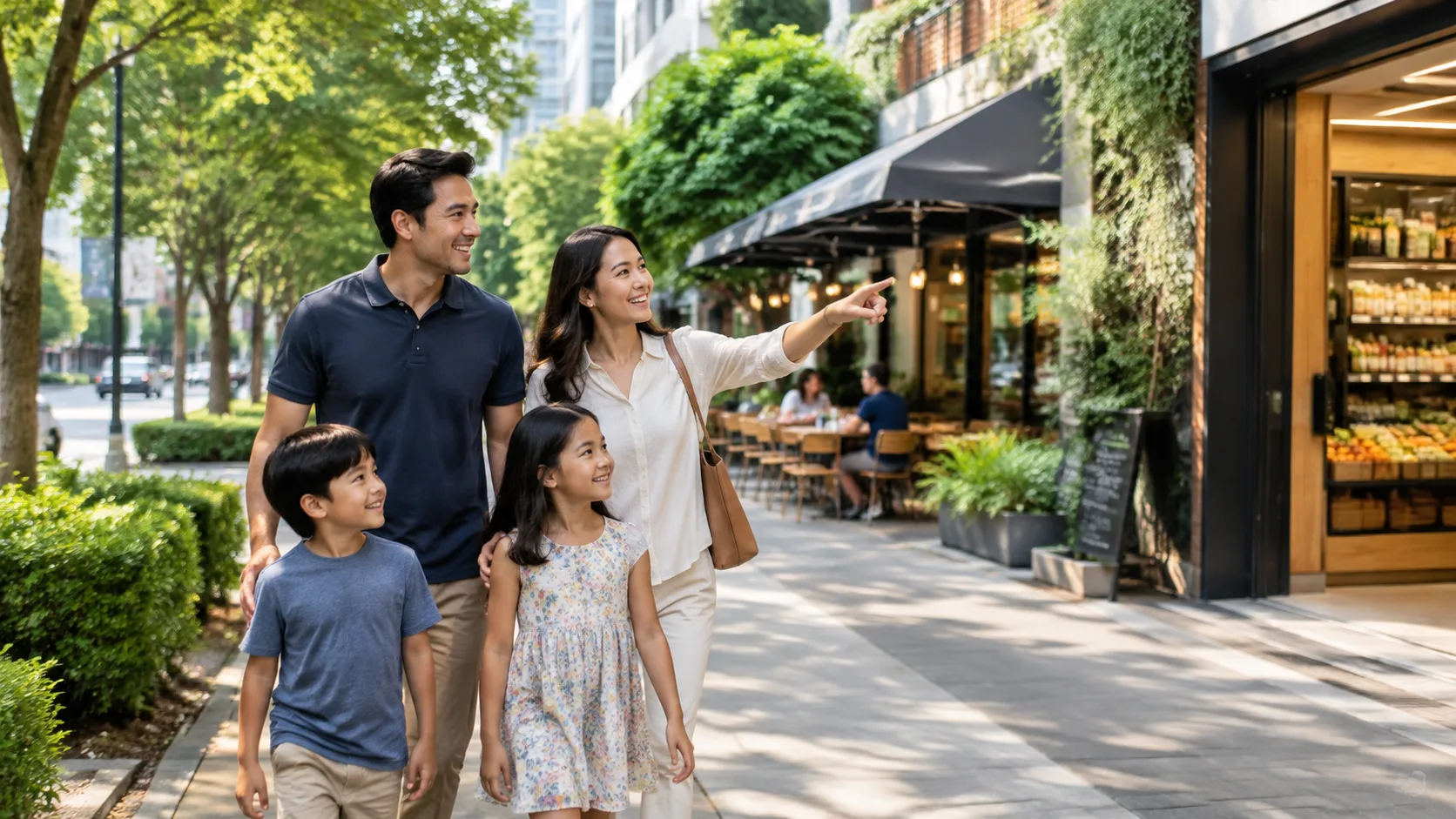
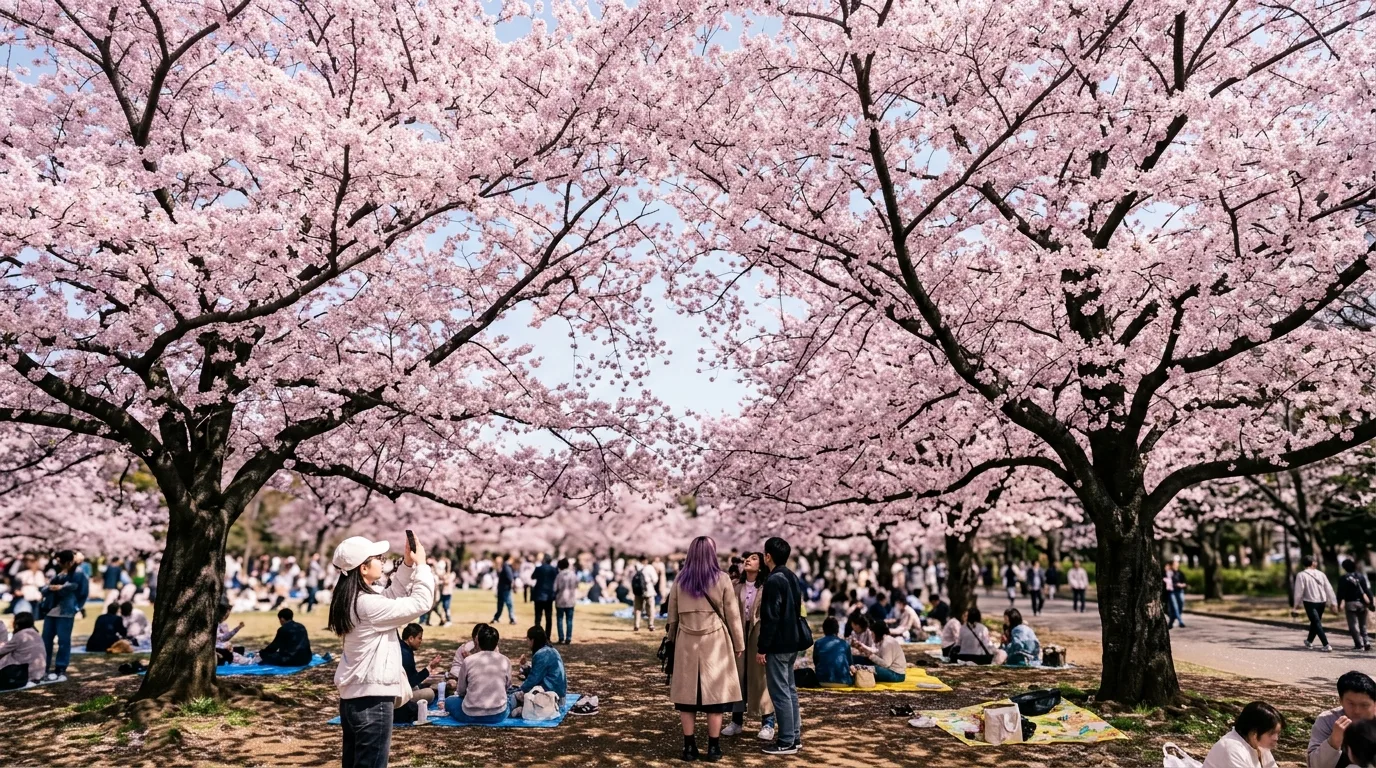
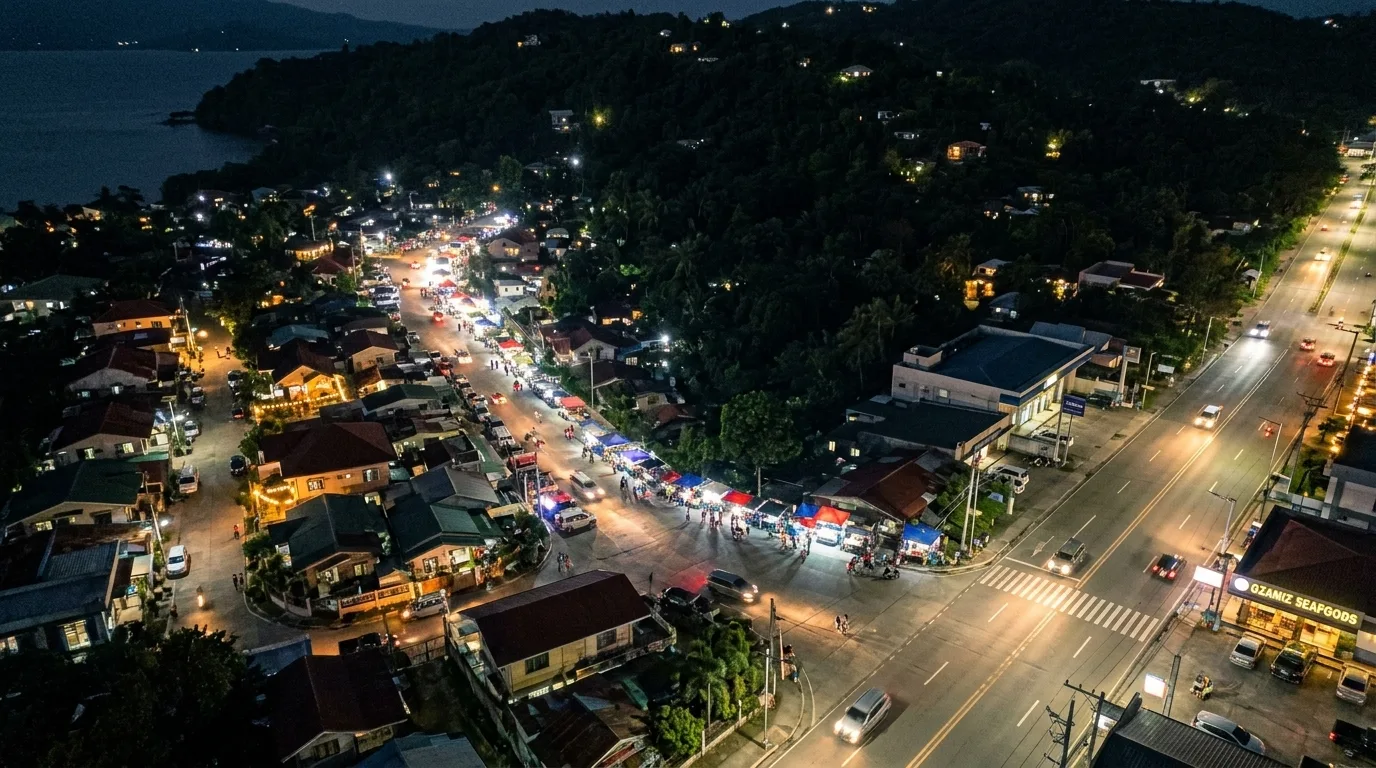
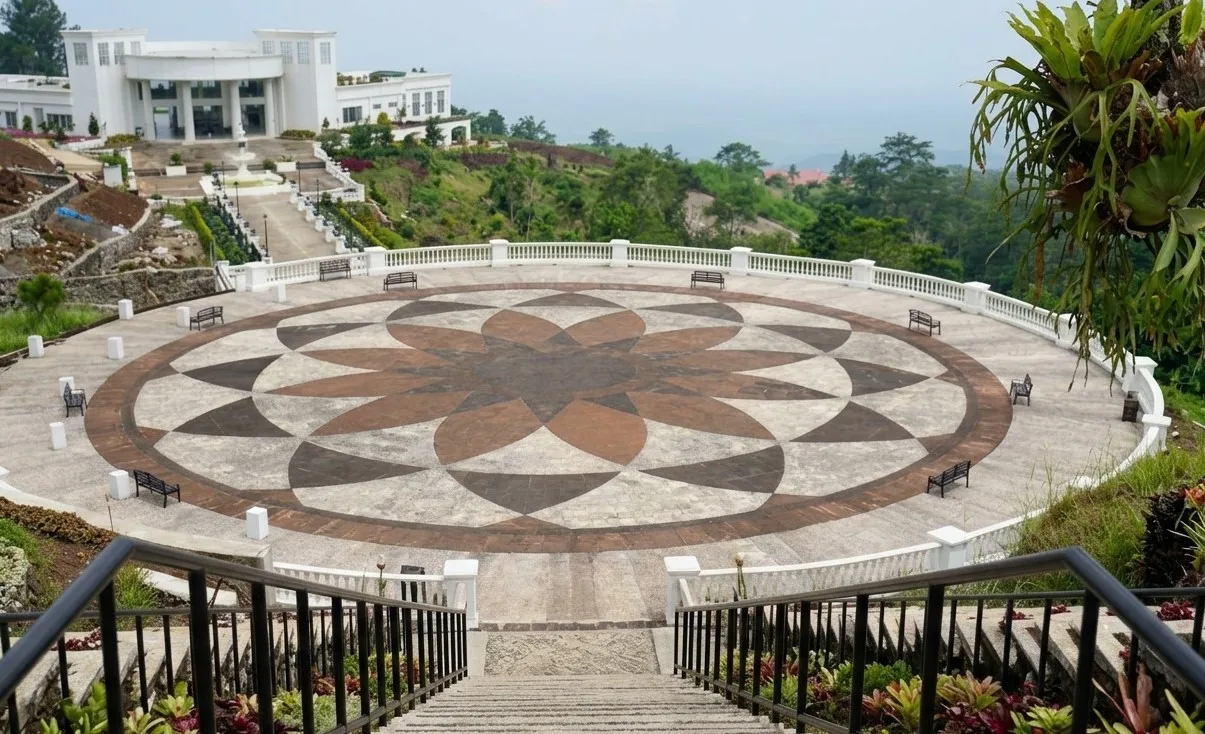
OZAMIZ CITY - Public spaces become more useful when they accommodate people with different mobility levels. Comfortable seating, shaded areas, accessible walkways, adequate lighting, safe crossings, and well-maintained sidewalks can make everyday activities easier for older adults. These improvements can benefit the wider community as well. Parents pushing strollers, people recovering from injuries, residents carrying groceries, and individuals with mobility limitations can all benefit from safer and more accessible public spaces.
Making Government Services Easier to Access
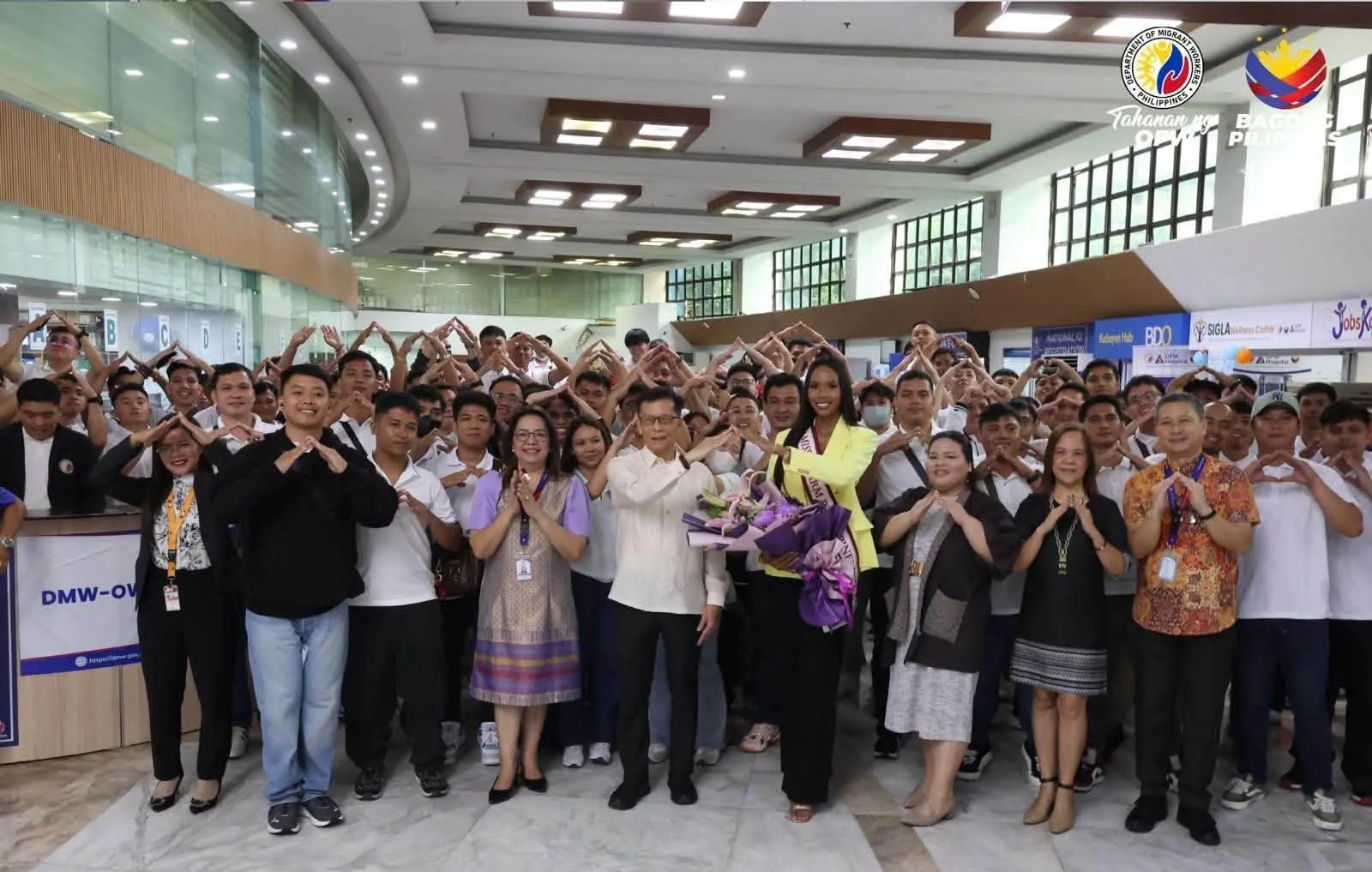
Older residents may interact with government offices for identification documents, social assistance, health-related services, pensions, and other concerns. Clear information, accessible entrances, adequate seating, understandable procedures, and staff assistance can make these interactions less difficult. As government services increasingly incorporate digital systems, maintaining accessible in-person assistance also remains important. Not every senior resident will have the same level of familiarity with online platforms. A balanced approach can give older adults more choices when accessing essential services.
Keeping Seniors Connected to Community Life
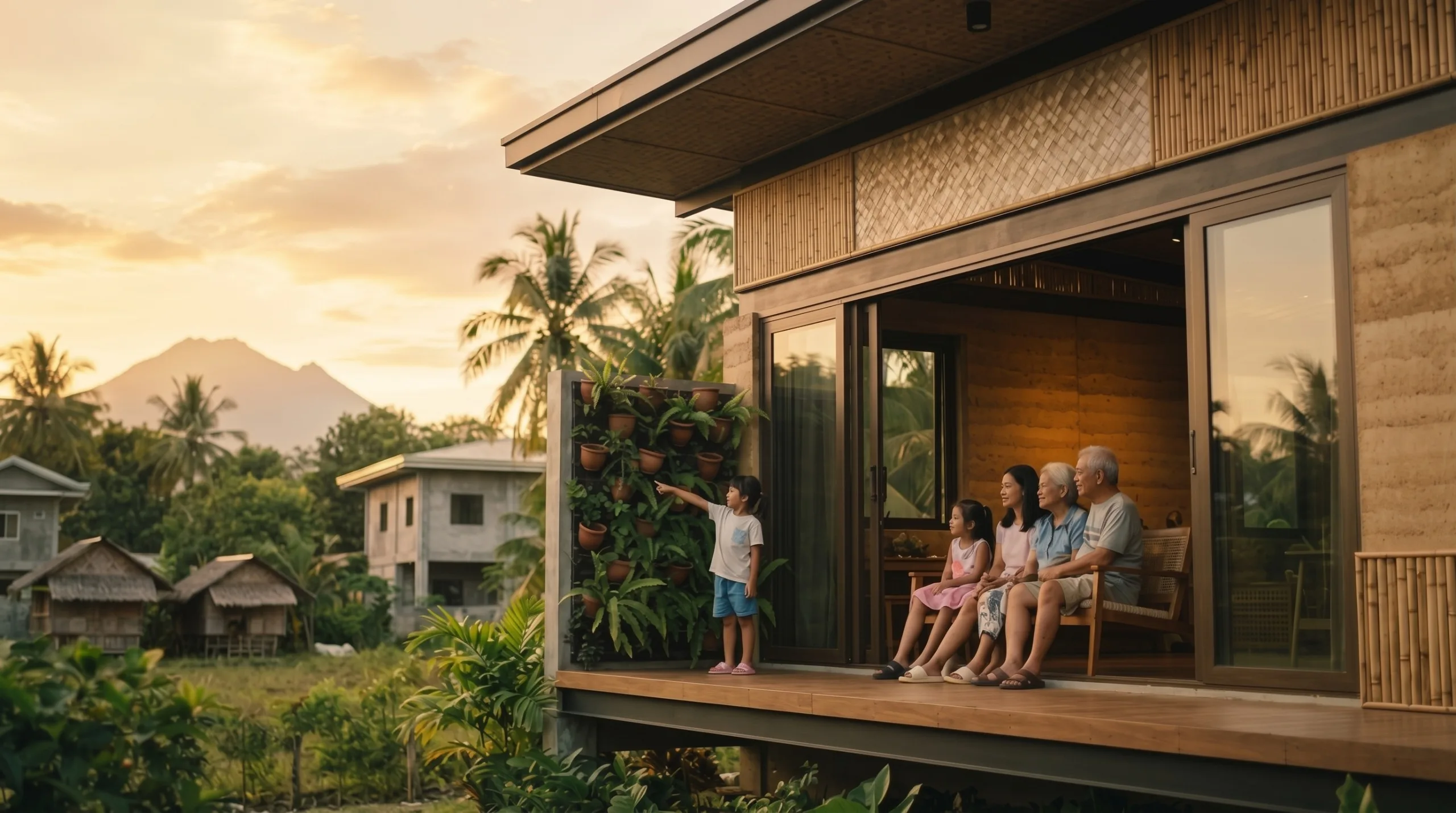
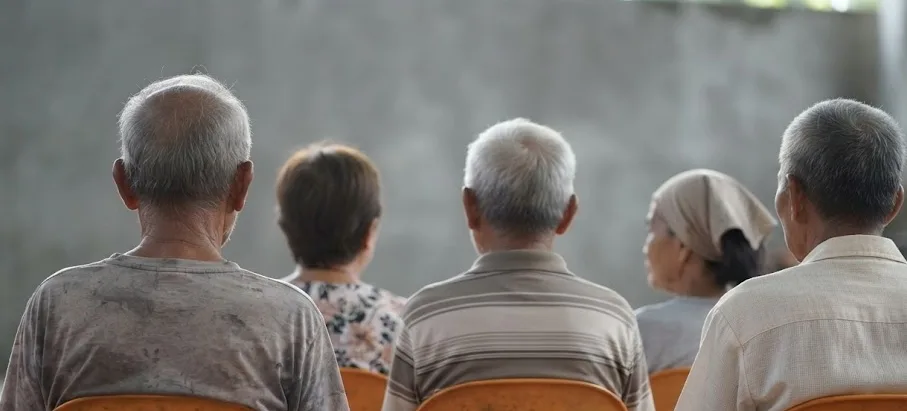
Age-friendly communities should provide opportunities for older residents to remain socially connected. Community activities, cultural programs, exercise sessions, educational activities, and volunteer opportunities can help seniors continue participating in community life. Older residents also possess knowledge and experiences that can benefit younger generations. Programs that encourage intergenerational activities can create opportunities for seniors to share local history, traditional skills, professional experiences, and life lessons.