


Make Planting Materials More Accessible
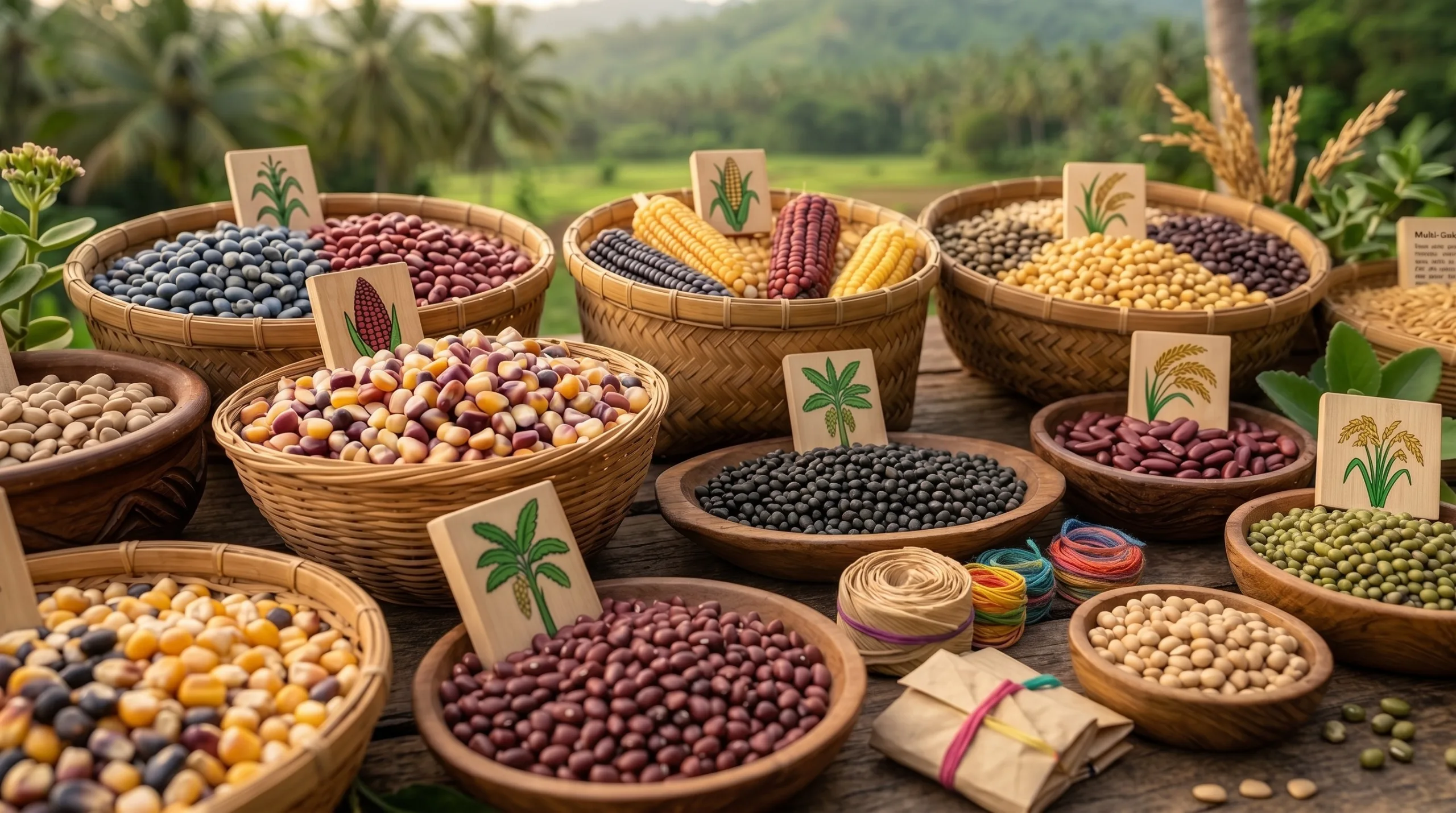
BOHOL - Seed exchanges can give farmers another way to obtain planting materials without relying entirely on commercial purchases. A grower with surplus seeds may share them with a neighbor who wants to try a particular vegetable, legume, or other suitable crop. This can be especially useful for small farming households that want to test new varieties on a limited area before expanding production. However, shared seeds should be properly identified and stored, and farmers should check their quality, germination, and suitability for local growing conditions. Exchanges work best when participants understand what they are receiving and how to use it successfully.
Preserve Crop Diversity and Farming Knowledge
Farmers often develop practical knowledge about which crops perform well under particular soil, rainfall, and growing conditions. Through seed exchanges, they can share this experience alongside the planting materials themselves. Locally valued varieties may also remain in cultivation when growers continue saving and sharing viable seeds, helping maintain agricultural diversity. In Bohol, exchanges could complement existing efforts to promote locally suitable crops and strengthen small-scale food production. Farmers should still consider disease risks, varietal characteristics, and whether a crop is appropriate for their farm rather than assuming that every shared seed will perform equally well in every location.
Build Stronger Farming Communities
Organized seed exchanges can create opportunities for growers to learn from one another, compare planting results, and coordinate their agricultural activities. Farmer associations, cooperatives, schools, and local agriculture offices could help facilitate these gatherings by providing guidance on seed selection, labeling, storage, and safe handling. Participants may also benefit from keeping simple records of crop varieties, sources, planting dates, and observed results. For Bohol communities, these activities could encourage cooperation while helping farmers make more informed decisions about future planting seasons. By combining shared resources with sound agricultural guidance, seed exchanges can become a useful addition to broader efforts to support local growers and sustainable food production.
