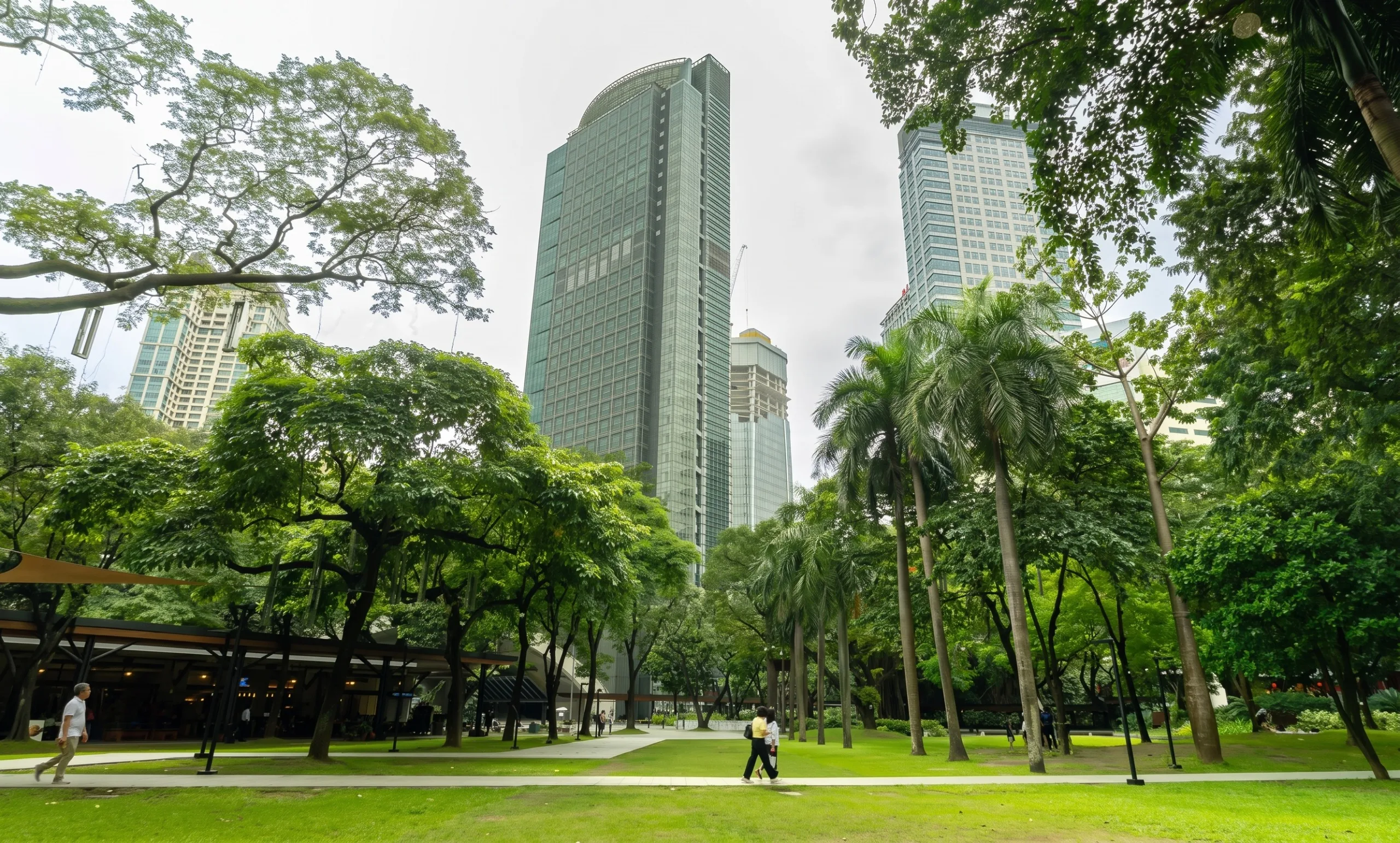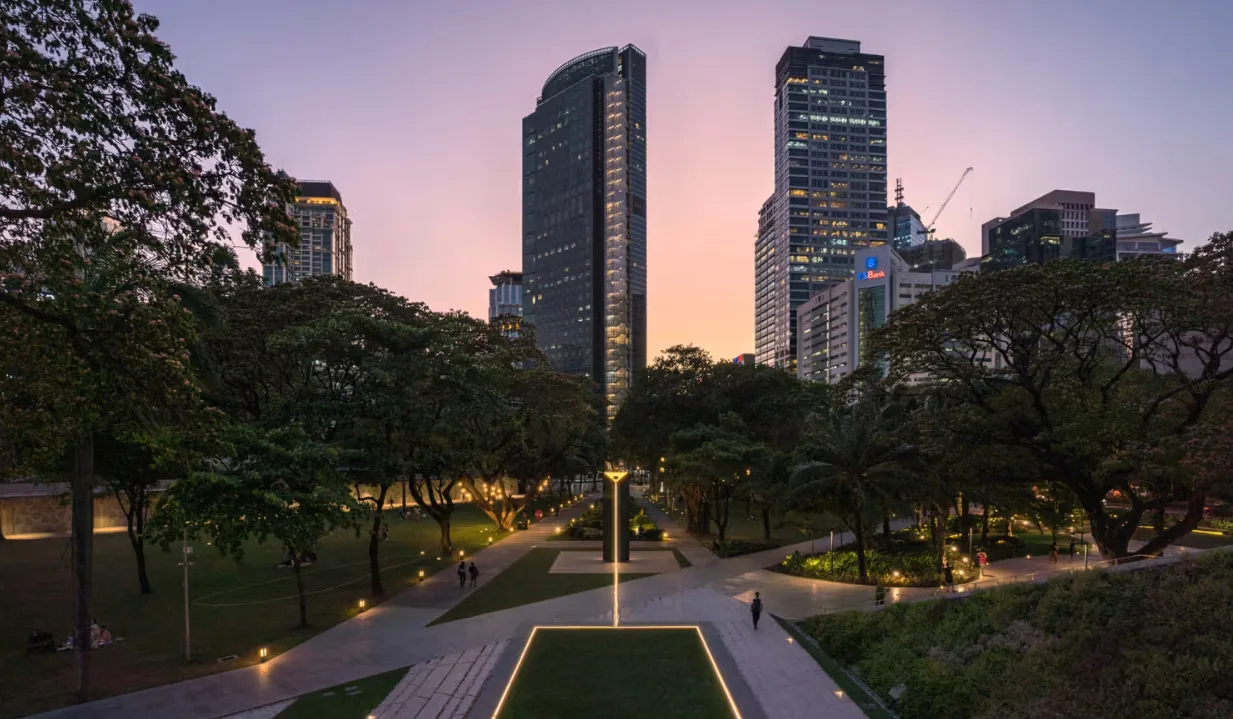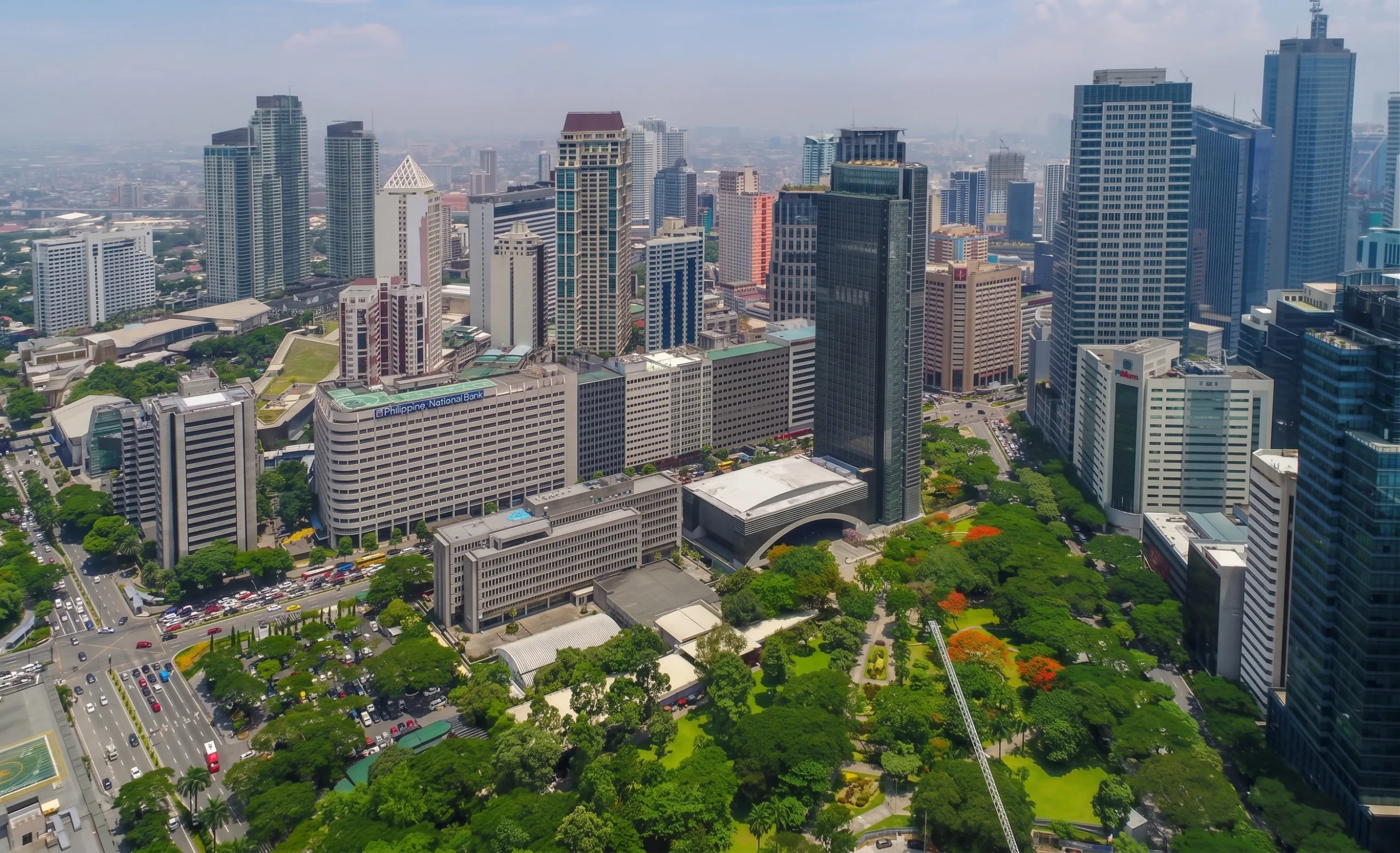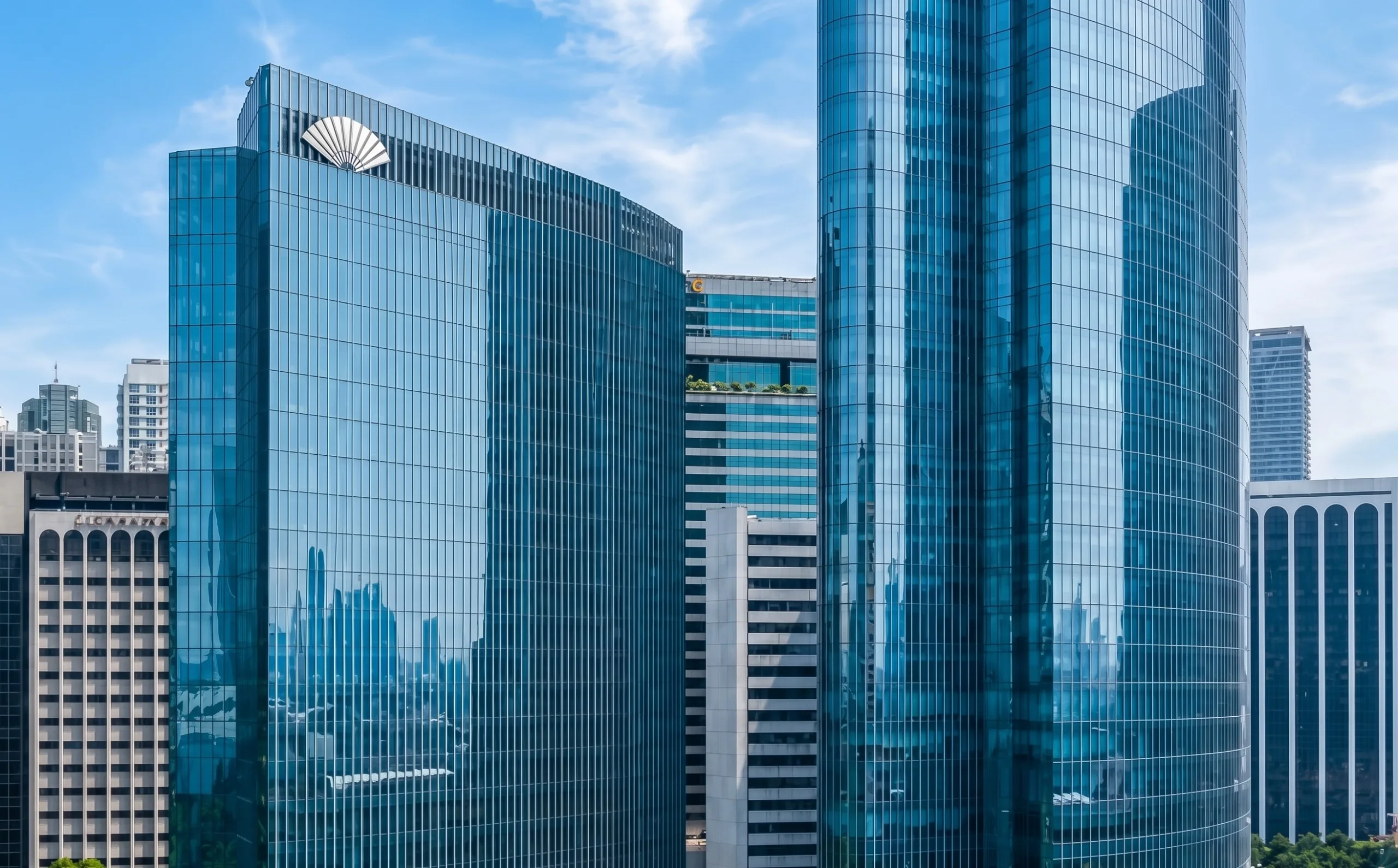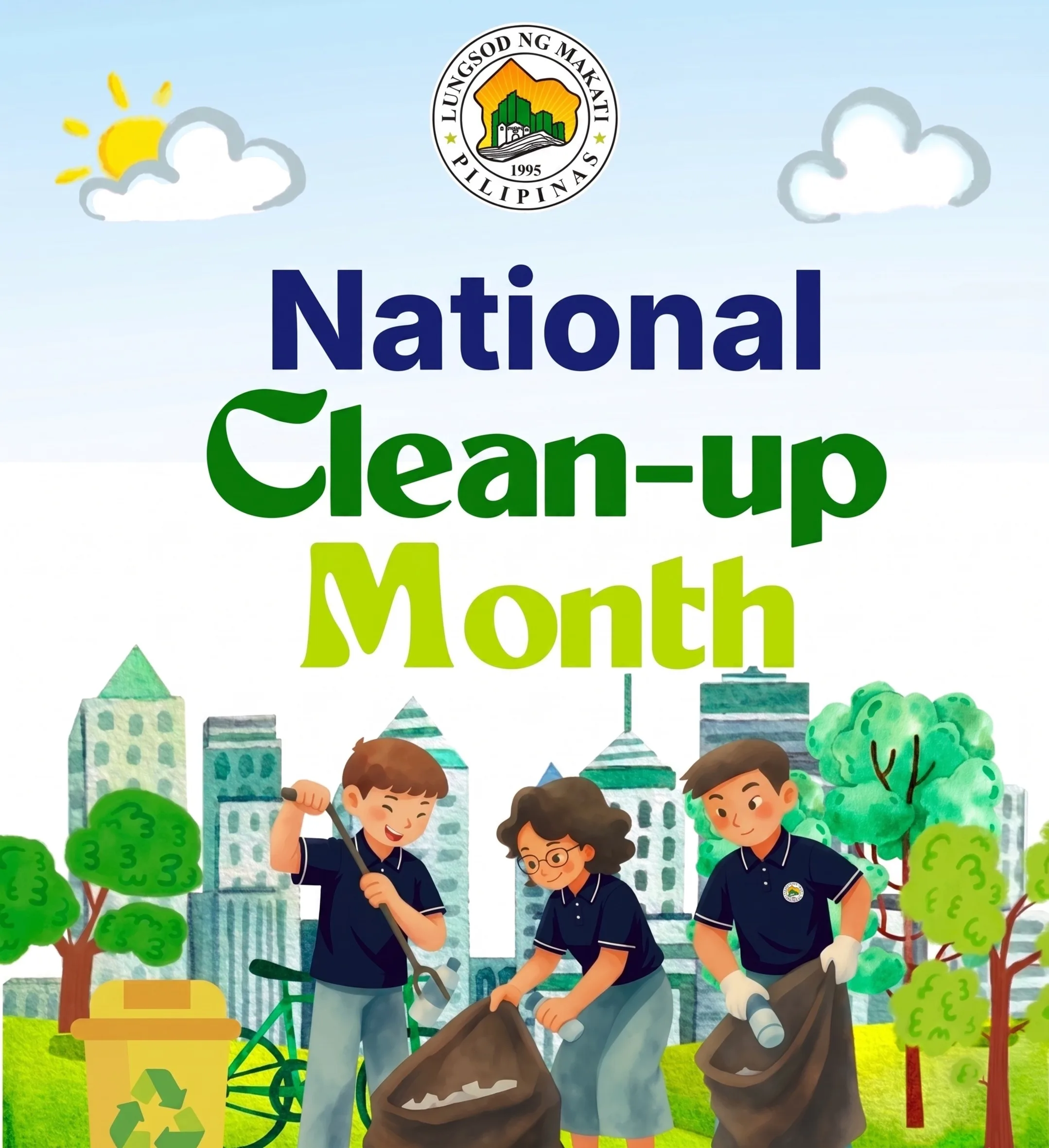
MAKATI CITY — As September marks National Clean-Up Month in the Philippines, Makati City continues to promote environmental responsibility and sustainable urban living. The annual observance encourages communities across the country to take action in keeping public spaces clean, protecting natural resources, and practicing responsible waste management. National Clean-Up Month was established through Presidential Proclamation No. 244, series of 1993, which designates September as the month-long observance and the third Saturday of September as National Clean-Up Day. The campaign is further supported by Presidential Proclamation No. 470, series of 2003, which declares the third Saturday of September as International Coastal Clean-Up (ICC) Day in the Philippines. For Makati, the observance reinforces environmental efforts that the city has been pursuing for years. Its initiatives in climate action, waste management, and environmental protection have earned recognition both nationally and internationally.
More Than Just Cleaning Up
National Clean-Up Month is not simply about collecting garbage from streets and waterways. It highlights the connection between environmental cleanliness, public health, ecosystem protection, and climate resilience. The Philippines produces approximately 61,000 metric tons of solid waste every day, with plastics accounting for around 12 to 24 percent. The country's significant contribution to ocean plastic pollution underscores the need for communities to take stronger and more consistent action. Local clean-up activities can help lessen pollution and flooding while strengthening communities' preparedness for climate-related and other disasters. They also encourage residents to take greater responsibility for shared spaces and develop sustainable habits, including proper waste segregation, responsible disposal, and reducing dependence on single-use plastics.
Makati's Continuing Environmental Efforts
Makati has continued to position itself as a leader in environmental stewardship through various sustainability initiatives. The city was named a Global Winner in the WWF One Planet City Challenge 2026 and has achieved 100 percent renewable energy utilization across all 154 city government facilities. The city has also recorded the highest compliance rate among Metro Manila local government units in the Manila Bay Clean-Up, Rehabilitation and Preservation Program, receiving an overall score of 97.64 percent. Through the Department of Environmental Services (DES), Makati has likewise carried out community and waterway clean-up activities. One such operation removed more than two tons of waste from Sta. Clara Creek, highlighting the city's efforts to keep waterways clean and reduce potential environmental and flooding hazards. These initiatives demonstrate how government programs, when supported by residents and businesses, can contribute to measurable improvements in the urban environment.
Every Makatizen Has a Role
As Makati observes National Clean-Up Month, residents are encouraged to participate in barangay clean-up activities, properly segregate and dispose of waste, reduce the use of single-use plastics, and adopt other environmentally responsible practices. While individual actions may appear small, consistent participation can create a significant collective impact. Through shared responsibility among residents, businesses, and government, Makati can continue working toward a cleaner, healthier, and more sustainable future.