Teaching Students That Online Actions Matter
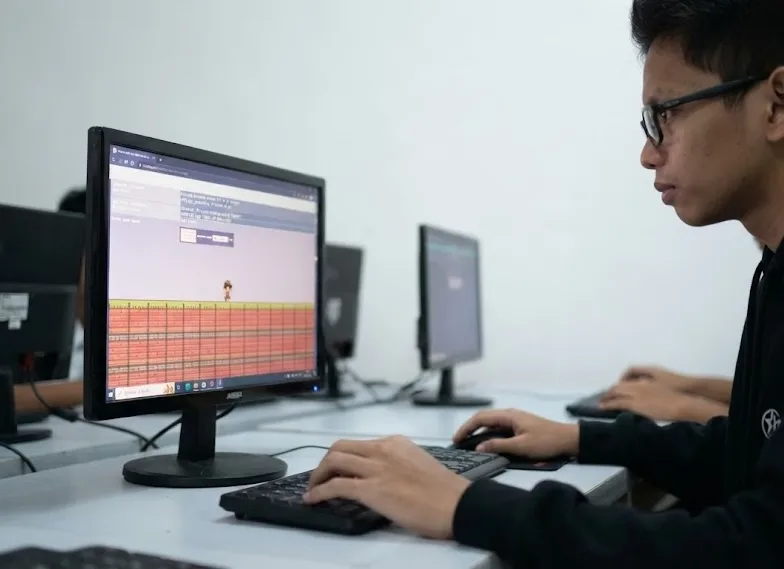
OZAMIZ CITY - Young people increasingly use digital platforms for communication, entertainment, schoolwork, and research. This makes understanding online behavior an important part of growing up. Students need to recognize that messages, photographs, comments, and other digital activities can have consequences beyond the screen. Schools can help learners understand privacy, respectful communication, appropriate content, and responsible sharing. By reinforcing these principles, Ozamiz City's schools can help students become more thoughtful users of technology rather than simply more frequent users.
Building Better Digital Citizenship
Digital citizenship involves understanding how to participate responsibly in online communities. Students need to know how to communicate respectfully, evaluate information, protect personal information, and recognize potentially harmful online situations. These skills can complement traditional classroom learning because students increasingly encounter information through digital platforms. Ozamiz City's implementation of policies on safe and responsible internet and device use provides schools with an opportunity to make digital citizenship part of students' everyday educational experience.
Helping Families Navigate Technology Together
Internet safety cannot depend entirely on schools. Parents and guardians also play an important role in helping children develop healthy technology habits. Open conversations about privacy, online strangers, inappropriate content, cyberbullying, passwords, and screen use can make children more comfortable reporting problems when they encounter them. When school policies and family guidance reinforce one another, students receive a more consistent message about responsible technology use. For Ozamiz City, stronger cooperation between schools and families could make digital-safety education more effective and relevant to students' daily experiences.