


A Practical Livestock Enterprise for Small Farmers
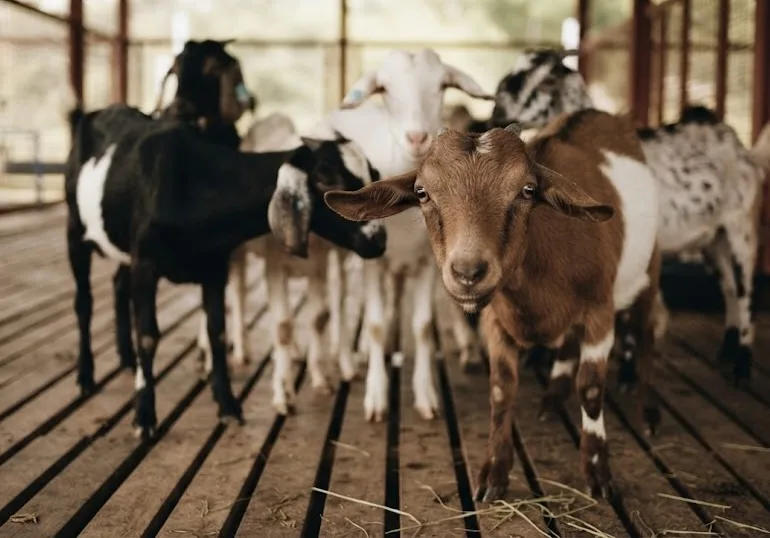
OZAMIZ CITY - Native goat production remains one of the most accessible livestock enterprises for small-scale farmers. Goats require relatively modest investments, adapt well to local conditions, and can be raised alongside crop farming without requiring extensive land. Through the Department of Agriculture's Livestock Program, farmers receive improved breeding animals, veterinary support, disease prevention services, and training on proper herd management. These interventions help increase productivity while improving the overall quality of locally raised goats. For farming communities near Ozamiz City, goat raising offers an additional source of income that complements seasonal agricultural activities.
Creating Opportunities Throughout the Value Chain
The benefits of goat production extend beyond raising animals. Feed suppliers, veterinary service providers, meat processors, transport operators, and local markets all contribute to the livestock value chain. Growing demand for chevon (goat meat), dairy products, and breeding stock creates opportunities for entrepreneurs to develop specialized businesses that support the industry. Cooperatives can also play an important role by helping farmers access better markets, share production knowledge, and improve bargaining power. These connections strengthen rural economies while encouraging sustainable agricultural entrepreneurship.
Building a More Resilient Agricultural Sector
Diversified farming systems help communities become more resilient to changing market conditions and environmental challenges. Integrating livestock with crop production allows farmers to make better use of available resources while creating multiple streams of income. Continued government investment in breeding programs, veterinary services, and farmer education supports long-term improvements in livestock production across Northern Mindanao. For Ozamiz City, encouraging the growth of the native goat industry contributes to stronger rural livelihoods, improved food production, and a more balanced agricultural economy.
