


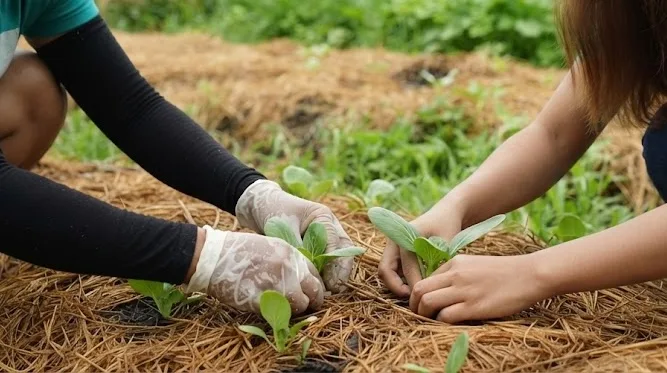
Growing Crops While Caring for the Land
OZAMIZ CITY - Organic farming emphasizes soil health, biodiversity, and responsible resource management. Through the National Organic Agriculture Program, DA-RFO 10 continues supporting farmer organizations with projects that promote environmentally sound cultivation practices and improve productivity. Rather than relying heavily on synthetic fertilizers and pesticides, organic systems encourage the use of compost, biological pest management, and natural soil improvement techniques. For agricultural communities that help supply produce to Ozamiz City, these practices can contribute to healthier farmland while creating products that appeal to consumers looking for sustainably grown food. Proper implementation also helps preserve natural resources for future generations.
Creating Better Opportunities for Farming Communities
Organic agriculture can provide benefits beyond environmental conservation. Farmers who adopt certified organic practices may gain access to niche markets that value quality, traceability, and sustainable production methods. Government assistance through training, technical support, and farmer organization development also helps producers strengthen their knowledge and improve farm management. As interest in healthy and locally grown food continues to expand, farming communities around Ozamiz City may find new opportunities to diversify crops and increase the value of their harvests while responding to changing consumer preferences.
Building a More Resilient Agricultural Future
Sustainable agriculture depends on balancing productivity with long-term environmental stewardship. Organic farming encourages practices that improve soil fertility, conserve water, and reduce the environmental impact of crop production. These efforts also complement broader goals related to food security and climate resilience. As Northern Mindanao continues investing in organic agriculture, communities connected to Ozamiz City's agricultural economy can benefit from stronger farming systems that support livelihoods while protecting natural resources. Over time, these initiatives may help create a more resilient food supply that benefits both producers and consumers.
