


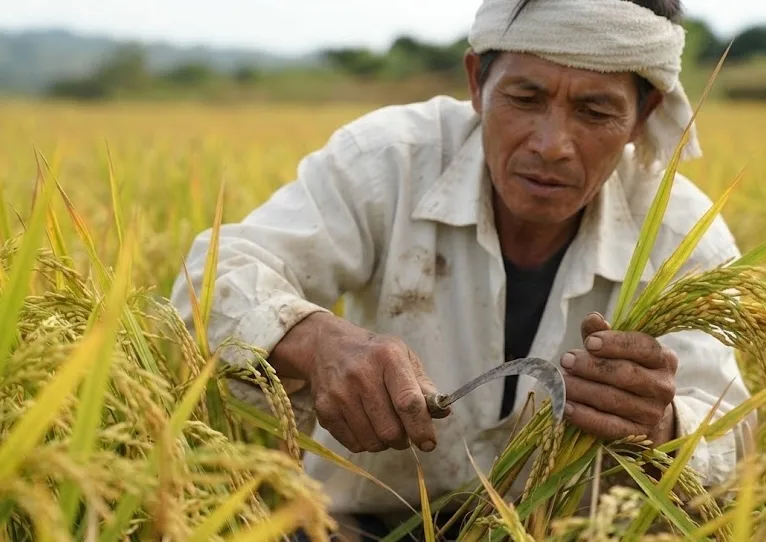
Giving Farmers a More Direct Voice
OZAMIZ CITY - Agricultural programs work best when they reflect the actual conditions farmers face. Issues such as production costs, weather conditions, market prices, harvesting schedules, farm inputs, and access to government assistance can vary from one community to another. The creation of a dedicated rice farmers' oversight committee gives farmers a more structured avenue for participating in discussions about rice-related programs. According to the Philippine Information Agency, the committee was created following a special consultative meeting held at Ozamiz City Hall. This kind of representation can help make agricultural planning more connected to farmers' experiences.
Monitoring Can Make Assistance More Organized
Government agricultural assistance may involve several programs and agencies. Without coordination, farmers can potentially have difficulty understanding where to apply, what assistance is available, or whether promised support has reached their communities. The Ozamiz committee was tasked with monitoring the delivery of assistance and coordinating with national government agencies.
Having a local oversight mechanism could therefore make it easier to identify implementation gaps and communicate concerns to the appropriate offices.
Farmers Know Challenges That Numbers Cannot Always Show
Agricultural statistics can provide valuable information, but farmers also possess practical knowledge that may not appear in official datasets. A farmer may know which inputs are becoming more expensive, which pests are affecting crops, how weather patterns are influencing production, or which logistical problems are making it difficult to bring harvests to market. Creating opportunities for farmers to communicate these experiences can complement formal government data. This is one reason farmer participation can be valuable when agricultural policies are being developed.
