How Plants Help Improve Urban Air
BOHOL - Plants contribute to the environment by absorbing carbon dioxide during photosynthesis and releasing oxygen as part of the process. Trees and other vegetation also capture some airborne particles on their leaves, helping reduce the amount of dust circulating in certain areas. Their presence can support a healthier outdoor environment, although gardens alone cannot eliminate pollution from vehicles, construction, and other sources. A variety of plants can provide additional environmental benefits, including habitats for pollinators and other small wildlife. By adding vegetation to residential areas, schools, and public spaces, communities can increase greenery and support a more balanced urban environment.
Creating Natural Shade and Cooler Neighborhoods
Trees provide shade that can make sidewalks, gardens, playgrounds, and outdoor seating areas more comfortable during hot days. Their leaves and branches block direct sunlight from reaching the ground, walls, and other surfaces that would otherwise absorb and retain heat. Plants also release water vapor through a natural process called transpiration, which contributes to cooling the surrounding air. Strategically placing shade trees near homes, parking areas, walkways, and open spaces can help reduce direct heat exposure for residents. Choosing suitable native or locally adapted trees, while allowing enough room for their roots and branches, can make urban greening more effective over time.
Making Green Spaces Part of Everyday Community Life
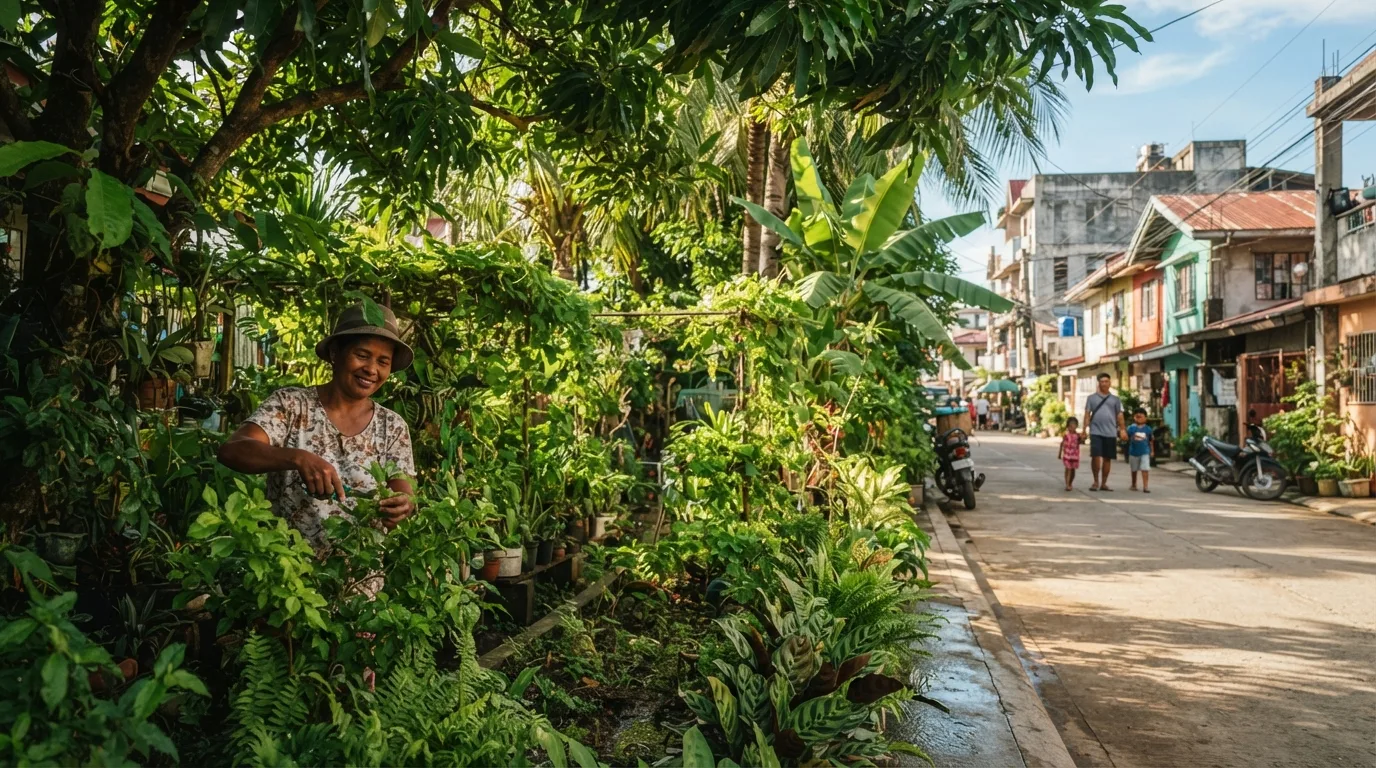
Urban gardens do not always require large plots of land because residents can grow plants in containers, vertical gardens, rooftop spaces, and small shared areas. Homeowners and community groups can start with herbs, flowering plants, vegetables, and suitable shade trees based on available sunlight, space, and water. Schools, barangays, and neighborhood associations can organize planting activities that encourage residents to participate in caring for shared green spaces. Regular watering, proper pruning, composting, and responsible plant selection help keep gardens healthy while preventing them from becoming neglected areas. With consistent community involvement, even modest gardening projects can make neighborhoods more attractive, provide places to relax, and contribute to long-term environmental improvement.