


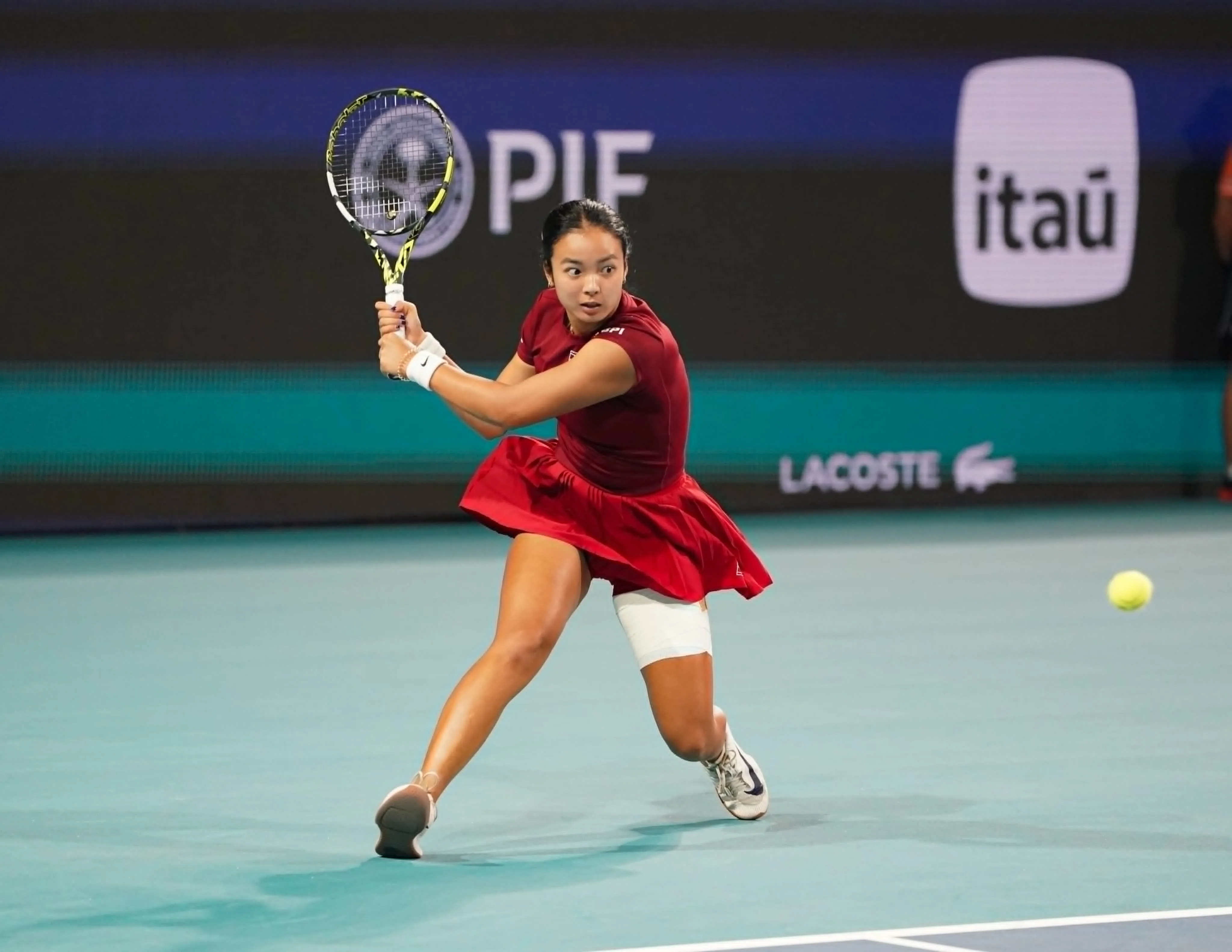
PHILIPPINES — A quick glance at the statistics tells a curious story. Alex Eala, the Philippines' tennis sensation, ranks 188th in average serve speed among active WTA players, clocking in at just 140.8 km/h. Yet, the 21-year-old continues to climb the world rankings, currently sitting at No. 20, a paradox that has experts and rivals alike paying close attention.
The Numbers Behind the Narrative
Eala's first serve typically averages between 86 to 95 mph, a stark contrast to the power hitters dominating women's tennis. Her second serve often drops even further, landing in the 60 to 75 mph range. These numbers usually spell disaster at the elite level, where serves are considered a primary offensive weapon. Yet Eala thrives despite this statistical disadvantage.
The data from recent WTA tracking shows her first serve percentage hovering around 63%, a respectable figure, but her average aces per match sit at a modest 1.12. By comparison, top-ranked Aryna Sabalenka averages 4.80 aces per match. The gap is undeniable, yet Eala finds ways to win.
Experts Weigh In on the Technique
Renowned coach Rick Macci has suggested that Eala may have been taught serving mechanics incorrectly during her formative junior years. Tennis legend and former World No. 1 Rennae Stubbs has been more blunt, stating that Eala's serve is simply too slow for the very top of the sport. Stubbs believes this weakness could prevent her from winning a Grand Slam despite her exceptional baseline game.
However, other voices see the situation differently. Former World No. 1 Andy Roddick explained that Eala "gets away" with her slow serve because of her elite ability to strike the next ball with tremendous pace. If a returner doesn't perfectly square up the ball, Eala punishes them immediately, firing winners to the corners of the court.
Turning a Weakness into a Weapon
Eala's slow serve has become an unexpected tactical asset. The lack of pace disrupts the rhythm of aggressive opponents who rely on redirecting their rival's speed. During a stunning victory over World No. 3 Iga Swiatek, Eala's deliberate serving left the Polish star frustrated. Swiatek admitted afterward that she struggled mentally to accept missing returns from the slower deliveries.
This psychological edge turns Eala's supposed liability into a strategic advantage. Opponents expecting blistering serves find themselves off-balance, forced to generate their own pace from uncomfortable positions. It is a chess match from the service box, and Eala is winning.
Signs of Evolution and Power
There is evidence that Eala is actively working to add speed to her serve. Earlier this year at Queen's Club, she unleashed a career-fastest 106 mph serve, a powerful statement that she has the physical capability to dial up the pace when confidence strikes. The question remains whether she can consistently integrate that power without sacrificing the placement and variety that currently define her game.
As the US Open approaches, the spotlight will once again fall on Eala's serve. Her ability to evolve this part of her arsenal could determine whether she breaks through to the very top of the sport. For now, she remains a fascinating study in how strategy and skill can overcome a statistical shortcoming, one slow serve at a time.
