


Festivals, Food, and Celebrations
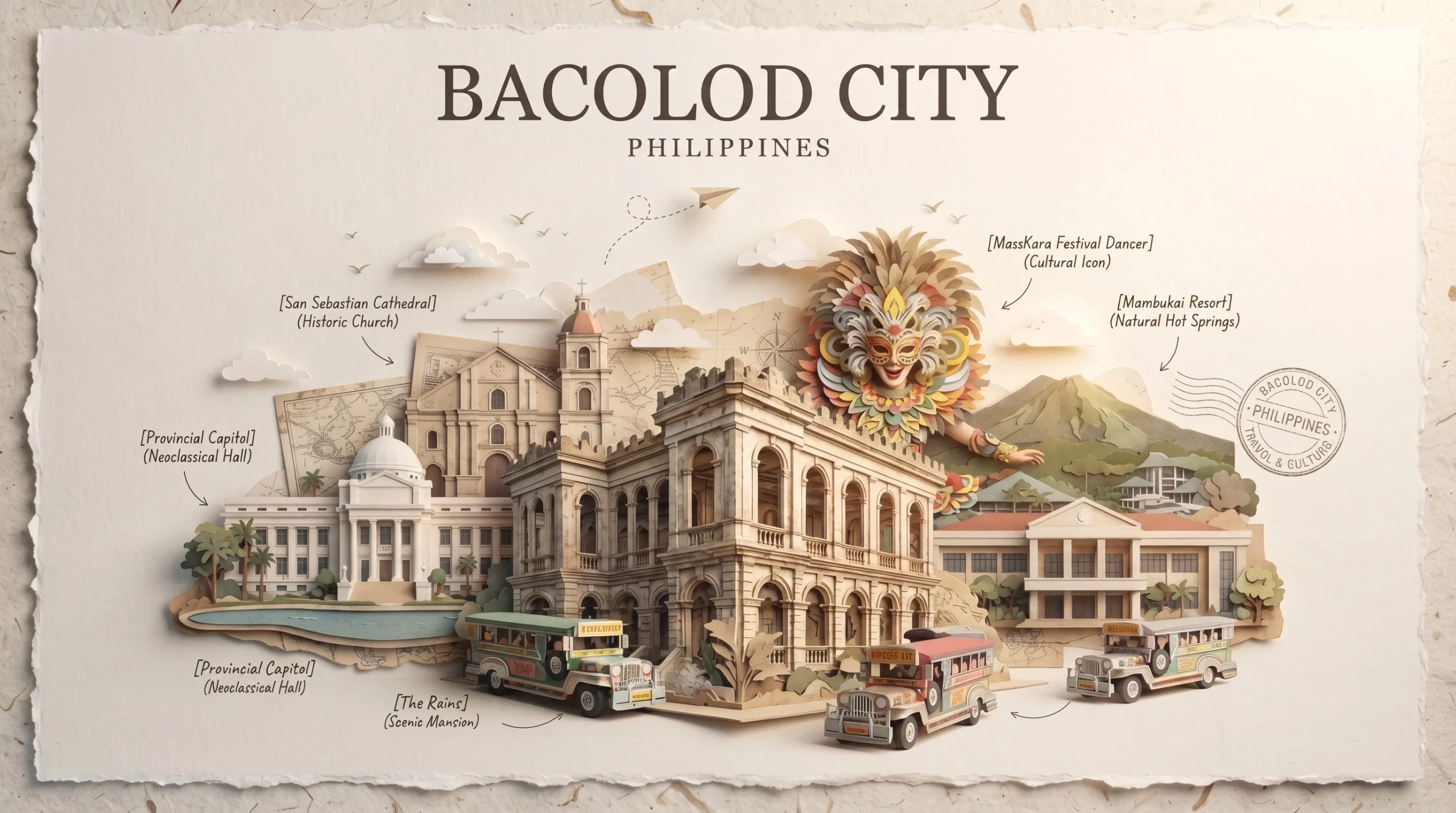
BACOLOD - One of the most recognizable traditions in Bacolod is the MassKara Festival, where colorful masks, street dancing, music, costumes, and community celebrations fill the city with energy. While it has become an important attraction for visitors, MassKara is also deeply connected to the city's identity and its tradition of coming together during difficult and celebratory moments. Another important cultural practice is the way food becomes part of celebrations and relationships. Families and friends commonly gather around meals, while visitors are encouraged to try dishes that reflect the culinary heritage of Negros. Local delicacies such as piaya and Napoleones also demonstrate the historical connection between Bacolod's food culture and the sugar industry. Even ordinary meals can become social occasions, with conversations continuing long after everyone has finished eating. For travelers, accepting an invitation to share food or asking locals about their favorite dishes can provide a more authentic glimpse into everyday Bacolod culture.
Family Values, Faith, and Sugar Heritage
Family and community relationships remain important parts of Bacolod's social traditions. Birthdays, reunions, fiestas, weddings, and other milestones often involve extended families and close friends, creating occasions where several generations come together. Religious traditions are also visible throughout the city, particularly through Catholic churches, fiestas, processions, and other community celebrations. Bacolod's cultural identity is further connected to the sugar industry, which played a major role in shaping Negros Occidental's history and continues to influence its cuisine, architecture, landscapes, and heritage. Ancestral houses, historic estates, and cultural institutions provide opportunities to understand this part of the region's past. Visitors should also remember that traditions are not simply historical practices preserved for tourists. They continue to change as younger Bacolodnons, local artists, entrepreneurs, families, and communities introduce new interpretations while maintaining connections to older customs.
The Bacolod Way of Welcoming Visitors
Perhaps the easiest tradition for visitors to experience is the local emphasis on warmth, friendliness, and sharing. Bacolod's culture often places importance on making guests feel comfortable, whether through offering food, helping someone find a destination, recommending a favorite restaurant, or simply engaging in conversation. Travelers can participate respectfully by learning about local customs, trying traditional dishes, supporting local businesses, and showing appreciation when invited into community activities. It is also worth taking time to observe how traditions appear in ordinary settings rather than only during major festivals. A family meal, a neighborhood gathering, a church celebration, or a conversation with a local can reveal details about Bacolod that may not appear in a typical sightseeing itinerary. Ultimately, understanding Bacolod means looking beyond the smiling masks and famous food and recognizing the family ties, community spirit, faith, history, hospitality, and shared traditions that continue to shape the City of Smiles.
