


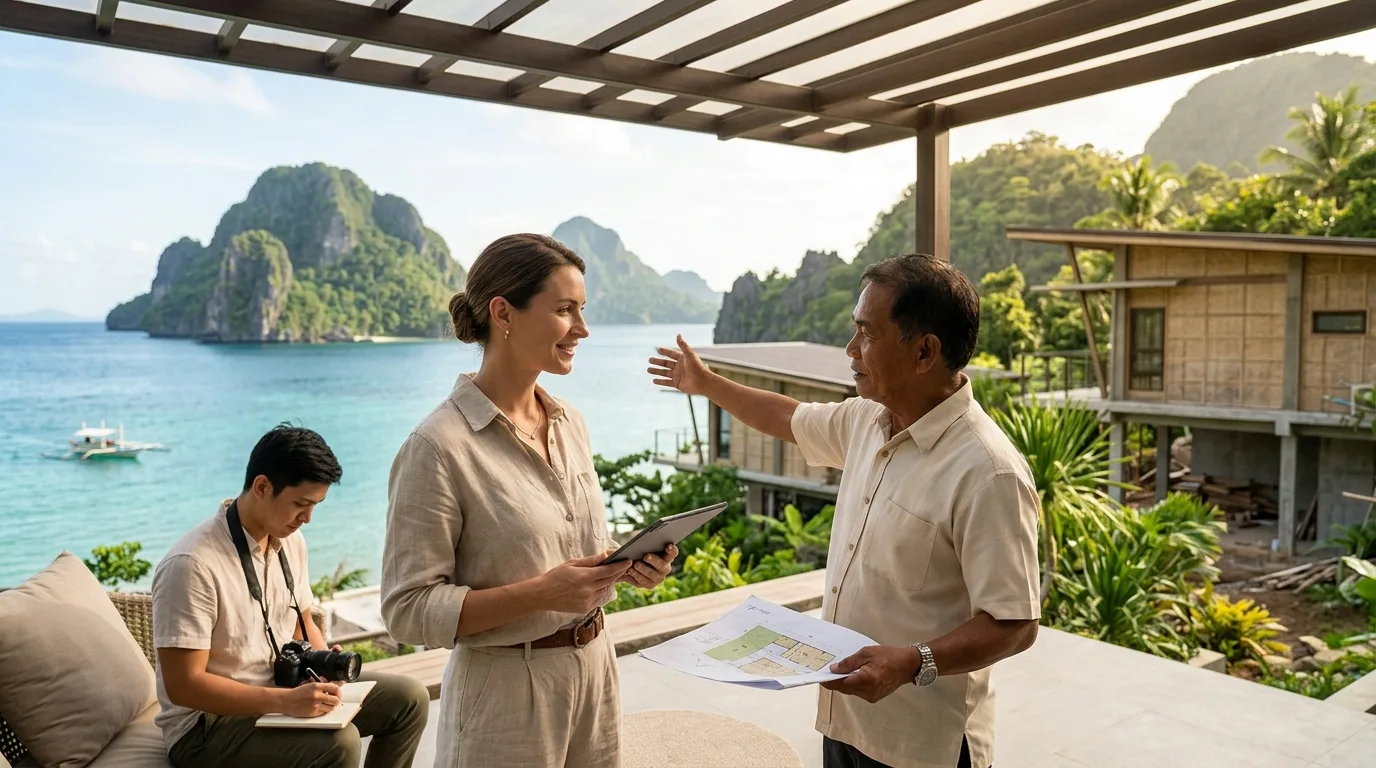
Palawan — The island's reputation as one of the world's premier island destinations has transformed it from a quiet eco-tourism frontier into one of the most enticing real estate frontiers in Southeast Asia. Driven by massive infrastructure investments, expanding airport networks, and an influx of foreign and local investors, purchasing land or residential property across the island holds immense potential. However, acquiring real estate in Palawan is vastly different from buying in established metropolitan centers like Manila or Cebu. Navigating local environmental protection laws, strict land titles, and off-grid utility realities is essential to securing a legal, high-yield investment.
Strict Environmental Laws and Land Titling Due Diligence
The primary factor separating Palawan from other Philippine real estate markets is its stringent environmental framework under the Strategic Environmental Plan (SEP) Law (RA 7611). Because large portions of the main island and surrounding cays are protected forest reserves or ancestral domains, buyers must strictly verify that land falls under Alienable and Disposable (A&D) classification before making any financial commitment. Unscrupulous sellers often market tax declarations or agricultural land within protected coastal buffer zones, which can result in legal forfeitures or building permit denials. Buyers should work directly with licensed local brokers listed on platforms like Rent.ph, Homes.ph, and Filipinohomes.com to verify title authenticity with the Land Registration Authority (LRA) and Department of Environment and Natural Resources (DENR).
Micro-Markets: Puerto Princesa vs. El Nido and San Vicente
Palawan features distinct real estate micro-markets, each catering to very different lifestyle and investment goals. The provincial capital, Puerto Princesa City, offers urban conveniences, top-tier medical facilities, international schools, and flood-resilient residential subdivisions ideal for retirees and young families. In contrast, northern tourist hubs like El Nido and Coron yield high rental rates for boutique resorts and vacation rentals, though land prices come at a significant premium. Emerging eco-tourism zones like San Vicente—home to the country’s longest uninterrupted white-sand beach and an international airport pipeline—present prime ground-floor opportunities for long-term land banking.
Navigating Off-Grid Utilities and Sustainable Building
Outside major urban centers, public utility infrastructure can be inconsistent, making self-sufficient property development a necessity rather than an option. Investors building private villas or commercial eco-resorts must account for solar power installations, rainwater harvesting systems, and deep-well water filtration setups to ensure seamless year-round operations. Additionally, local municipal building codes strictly enforce eco-friendly construction rules, including set-back limits from coastal high-tide lines and height restrictions to preserve natural tree lines. Researching regional development guidelines through official portals like Guide to the Philippines helps investors design compliant, sustainable structures that integrate harmoniously with Palawan’s pristine ecosystem.
