


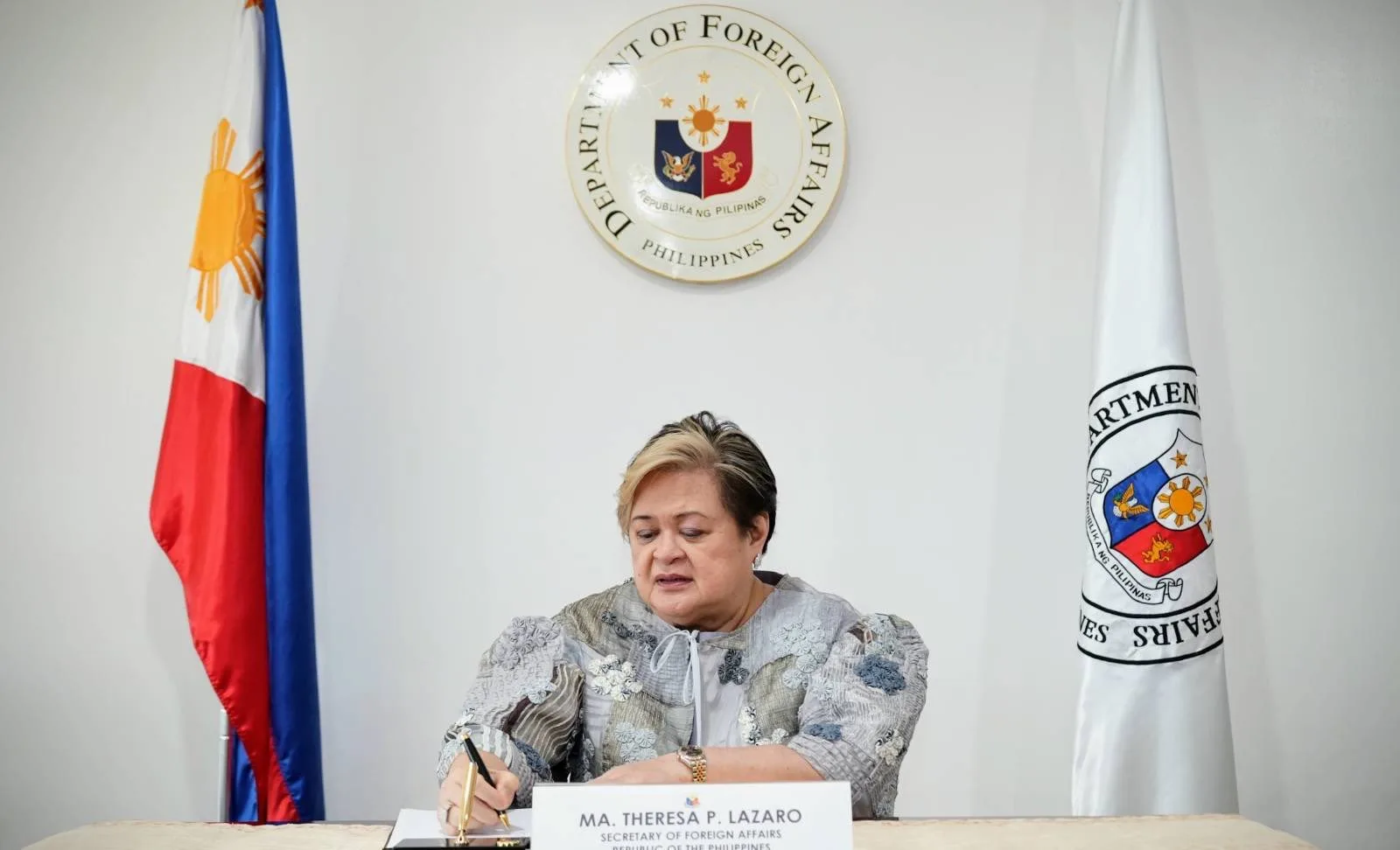
PHILIPPINES — Japan has signed a USD187.82-million loan agreement with the Philippines, roughly ₱11.54 billion, aimed at accelerating the country’s Universal Health Care program. The deal, inked on August 4, 2026, directly promises to ease the healthcare burdens that weigh heavily on overseas Filipino workers and their dependents back home.
A Lifeline for Families Left Behind
For the millions of OFWs who work far from their loved ones, a sudden illness in the family can trigger a financial crisis. Hospital bills, medicines, and ongoing treatments often eat up remittances meant for education and daily needs. The Build Universal Health Care Program Subprogram 3 is designed to strengthen PhilHealth’s coverage so that dependents receive quality care with lower out‑of‑pocket costs.
The loan, co‑financed by the Japan International Cooperation Agency and the Asian Development Bank, targets sustainable financing and better service delivery. This means primary care clinics and rural health units will be linked into a more responsive network. For an OFW’s elderly parent or young child in a remote barangay, that could mean the difference between a quick consultation and a costly hospital trip.
Protecting Remittances from Medical Shocks
Medical emergencies at home are among the top reasons OFWs drain their savings or take high‑interest loans. The UHC reforms will expand PhilHealth’s outpatient packages, catastrophic disease coverage, and hemodialysis benefits. By reducing the financial blow of illnesses, the program helps ensure that years of sacrifice abroad are not wiped out by a single hospital bill.
Foreign Affairs Secretary Ma. Theresa Lazaro, who signed the diplomatic notes, said the agreement reaffirms the two nations’ commitment to accessible and equitable healthcare. The Japanese support is part of a long‑running partnership, following two earlier UHC subprograms that laid the groundwork for today’s reforms.
Streamlined Claims and Digital Access
Another key pillar of the loan is improving health information management. For OFWs, this means faster PhilHealth registration, online benefit tracking, and simpler claims processing for their families. No more wading through piles of paperwork from abroad—the digital upgrade aims to make the system transparent and easy to navigate.
The reforms also address gender‑specific health concerns and the impact of climate change on public health. This ensures that OFW dependents, especially women and children, receive appropriate care. The integrated approach turns the UHC Act’s promises into tangible services that reach every corner of the country.
Long‑Term Health Security for Every Migrant Worker
The loan covers three reform areas: strategic purchasing of health services, integrated delivery of quality care, and stronger accountability systems. As these pillars take effect, OFWs can expect more predictable health costs and better protection for their families. The ultimate goal is a Philippines where working abroad is a choice, not a necessity driven by a fragile social safety net.
