


Taking the Fight Directly to the Fields
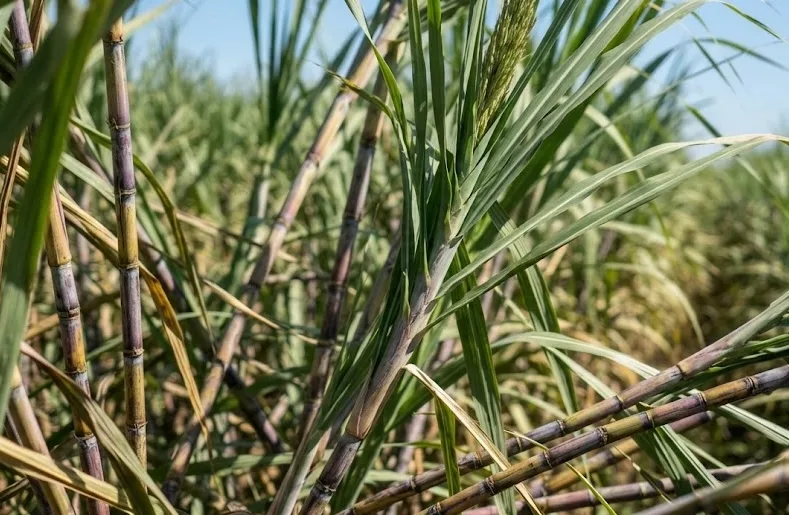
BACOLOD - The Provincial Biosecurity Task Force for Agriculture conducted spraying operations in La Castellana and Moises Padilla as part of the province's response to the spread of RSSI. The treatment uses metarhizium, an entomopathogenic fungus that can affect pest insects, and is being applied along field perimeters to create treatment zones. Provincial Administrator Rayfrando Diaz said farmers were already reporting positive effects from initial applications, although the campaign remains part of an ongoing pest-management effort. The province has also hired additional biologists, with some assigned to an insectary and others to laboratory work involving biological control agents. Bringing these resources closer to affected farms gives growers another tool against a difficult agricultural problem.
A Bigger Effort Behind One Farm Operation
The spraying in La Castellana is connected to a broader provincial strategy rather than being an isolated activity. The Negros Occidental government is producing biological control agents in its own laboratories and plans to work with the Philippine Sugar Research Institute Foundation Inc. on additional laboratory facilities using containerized vans. This approach is designed to increase the province's capacity to produce and apply biological controls instead of depending entirely on outside supplies. The provincial government has described biological control production and spraying as a long-term and sustainable response to the RSSI problem. For farmers, that means the work in the fields is being matched by efforts to build the technical capacity needed to continue the program.
Protecting More Than Just a Crop
The value of this work extends beyond the appearance of healthier sugarcane fields because agriculture supports families, workers, businesses, and communities throughout Negros Occidental. Earlier agricultural concerns in La Castellana have also prompted government assistance, including the distribution of certified seeds, fertilizers, and other farm supplies to farmers affected by calamities. The province's continuing attention to pest control and farm assistance shows how agricultural support can take several forms, from direct inputs to biological research and field intervention. While spraying alone cannot solve every challenge facing sugarcane growers, giving farmers another scientifically based method of managing pests is a meaningful part of protecting production. It is a practical story about putting agricultural knowledge to work where it matters most: on the farm.
