


A Different Kind of Agricultural Attraction
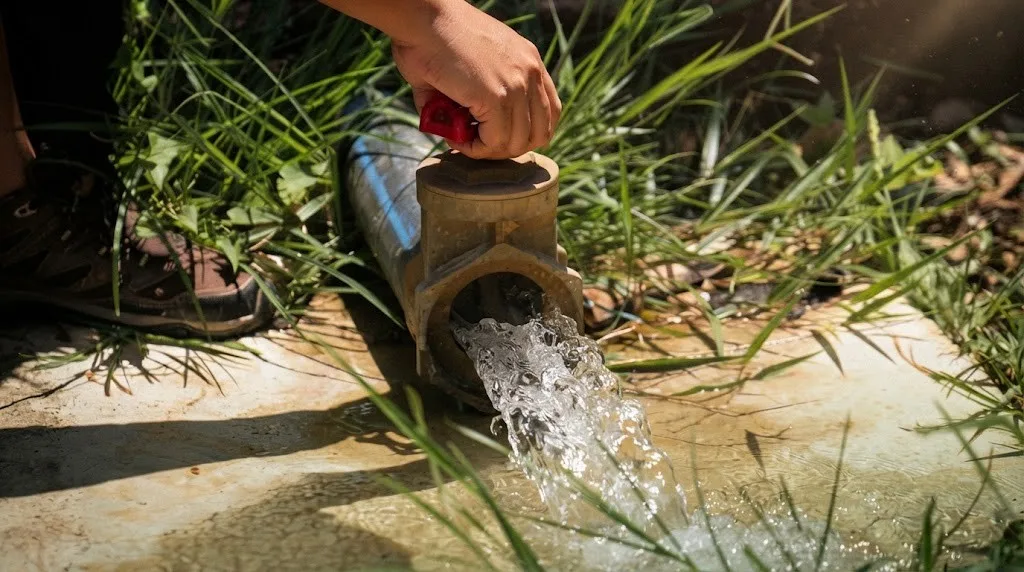
LEYTE - The Department of Agriculture reported in June 2026 that a PHP7-million Solar-Powered Irrigation System had been turned over to the Sitio Tambis Farmers Association. The facility is intended to provide a more sustainable source of water for farms in Barangay Ugbon and surrounding communities. For farmers who previously faced water shortages, particularly during dry periods, having a more dependable irrigation system can make an important difference in planning and maintaining crop production. The project also demonstrates how agricultural infrastructure can become part of a broader story about rural development in Leyte. For farming families, reliable access to irrigation can influence how confidently they approach each planting season. Instead of depending entirely on rainfall, farmers can have greater control over the availability of water needed by their crops. This can be particularly significant in communities where changing weather conditions can make agricultural planning more difficult. The project therefore represents more than a piece of equipment in a field; it is an investment in the basic infrastructure that allows rural communities to continue producing food. The initiative also offers an interesting example of how agricultural development can be connected to environmental considerations. By using sunlight as an energy source for irrigation, the system demonstrates a practical application of renewable energy at the community level. It shows that sustainability does not always have to involve large and highly visible projects. Sometimes, it can begin with a single farming community finding a more practical way to manage one of its most important daily needs.
Renewable Energy With a Practical Purpose
The project is particularly interesting because it connects two areas that are increasingly important to rural communities: agriculture and renewable energy. Solar power is being used to operate the irrigation system, potentially reducing farmers' reliance on fuel-powered equipment and helping lower operating expenses. The Department of Agriculture's report described the project as addressing a long-standing water challenge that had affected crop production in the area. Instead of viewing renewable energy only as a large-scale infrastructure concern, the initiative shows how it can also be applied directly to the everyday needs of farming communities. The use of solar energy is particularly relevant for agricultural communities because irrigation can require a dependable source of power. A system that draws energy from the sun offers an alternative approach that may be more suitable for rural locations where access to conventional energy sources can be challenging or expensive. It also highlights the potential for agricultural programs to address several concerns at once, including water access, energy use, and farm productivity. For visitors interested in sustainable development, the project offers a real-world example of how technology can respond to a very local problem. The story is not simply about installing solar panels or operating irrigation equipment; it is about matching available resources with the needs of the community. In this case, the abundance of sunlight becomes part of a system designed to support farmers and their livelihoods.
A Reason to Look Beyond Leyte's Tourist Map
Travelers passing through Leyte often see rice fields, coconut farms, and other agricultural landscapes without necessarily knowing the systems that support them. Projects such as the solar-powered irrigation facility provide a different perspective on those landscapes, showing the work and innovation behind the province's food production. While the irrigation facility is not presented as a conventional tourist attraction, it is an interesting example of community-based development that could appeal to readers interested in sustainable agriculture and rural innovation. It also adds another dimension to the story of Leyte, where the future of farming increasingly intersects with technology and environmental considerations. Agricultural landscapes are often among the first things visitors notice when traveling through the countryside, but the stories behind them are not always visible from the road. A productive field represents the combined efforts of farmers, irrigation systems, agricultural programs, and local communities. Looking at Leyte through this perspective allows travelers to better understand the connection between the province's natural resources and the people who depend on them. The project also provides a reminder that rural innovation can be just as important as major urban developments. While travelers may be drawn to beaches, historical landmarks, and restaurants, initiatives like this reveal how communities are preparing for the future in less visible ways. For those interested in agriculture, renewable energy, and responsible tourism, it offers another reason to pay attention to the countryside and the people working there.
