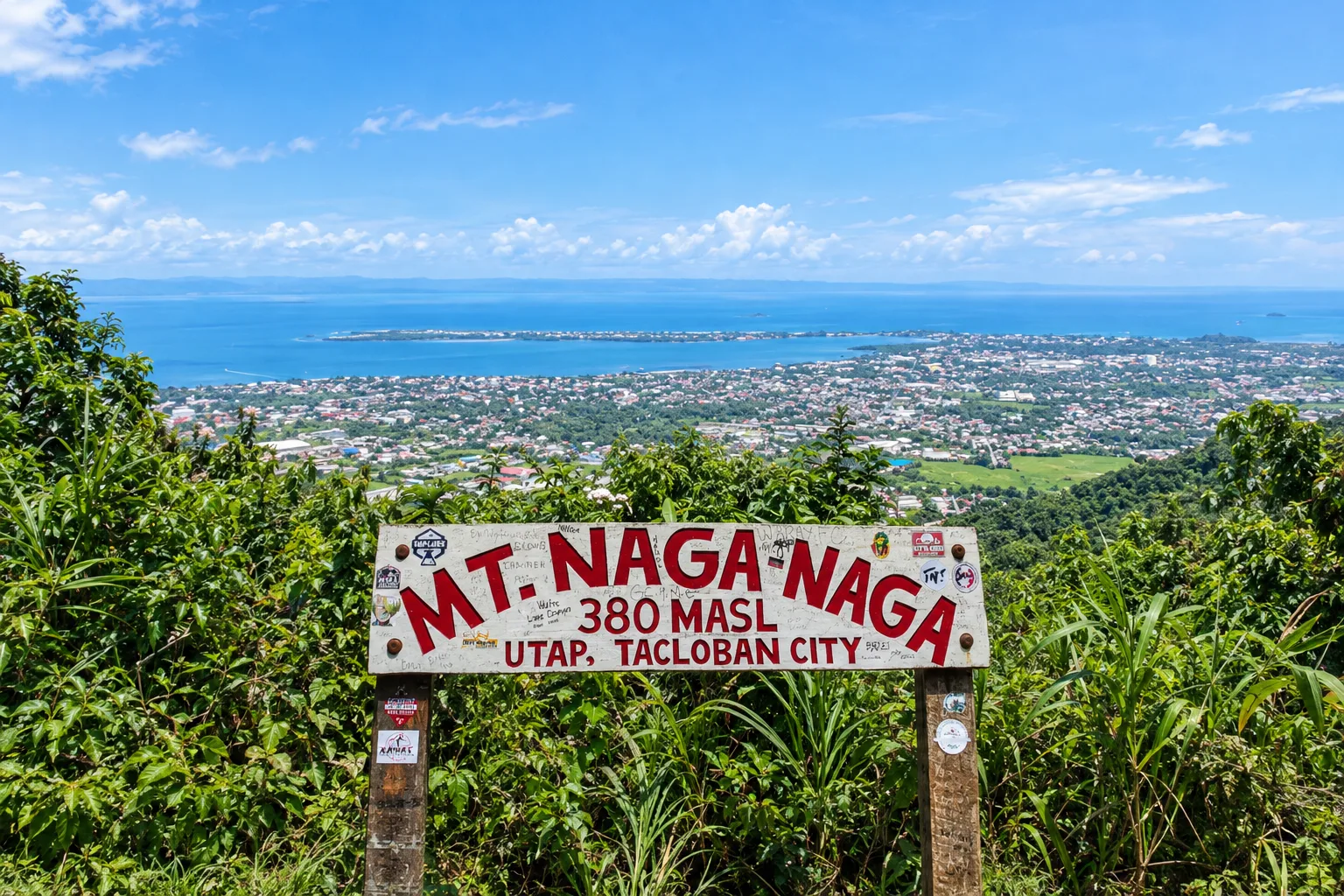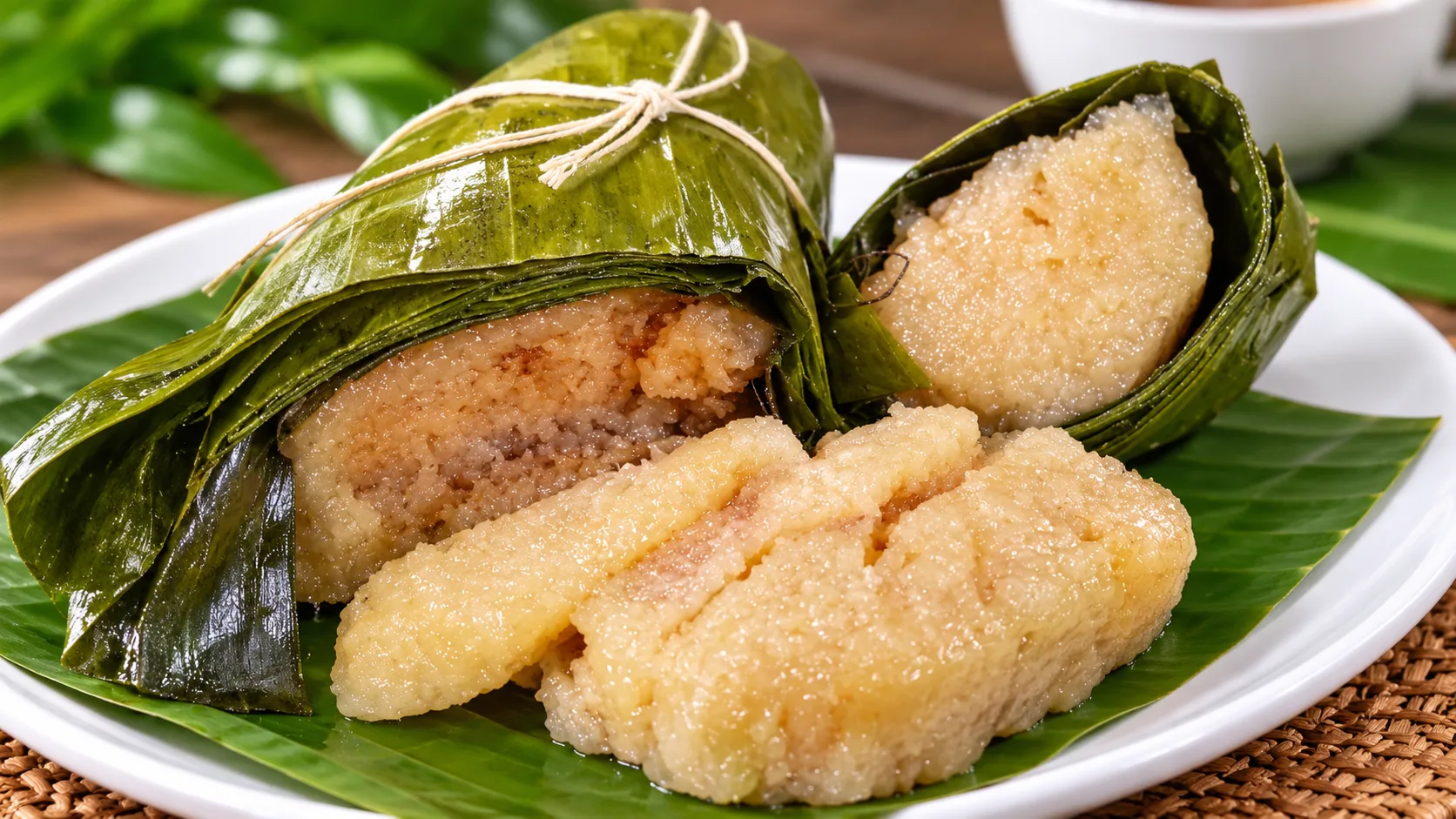
TACLOBAN CITY — Beneath its simple wrapping of wilted banana leaves lies a dense, sticky, and sweet delicacy carrying the distinct culinary identity of Leyte.
Known as sagmani, this traditional Waray kakanin relies on locally harvested root crops, coconut milk, and patient preparation to create a unique treat that continues to anchor the region’s native food heritage.
Root Crop Ingenuity And Traditional Preparation
Unlike standard rice-based suman, sagmani gets its characteristic soft, chewy texture primarily from grated gabi (taro)—locally known in Waray as gaway. The taro is combined with coconut milk, sugar, and occasionally boiled peanuts before being wrapped and steamed.
Preparing the treat requires significant physical labor and time:
Grating And Mixing: Fresh taro is peeled and finely grated before being combined with coconut milk, sugar, and peanuts in a large cooking pan.
Reduction: The mixture is brought to a boil and stirred continuously over medium heat to prevent burning until it thickens into a heavy, glutinous mass.
Wrapping And Steaming: Once cooled slightly, portions are wrapped tightly in heat-softened banana leaves, tied at both ends, and steamed to set the texture.
The banana-leaf wrapper imparts a subtle, earthy aroma while giving the cooked delicacy its glossy, moist finish.
Sustaining Leyte's Culinary Trade And Livelihoods
Alongside better-known Leyte specialties like binagol and chocolate moron, sagmani remains a staple offering among local vendors along Zamora Street in Tacloban City and regional bus terminals.
In April 2024, the Department of Agriculture (DA) and the Department of Tourism (DOT) in Eastern Visayas showcased sagmani during the official Filipino Food Month regional exhibit in Tacloban City. The event highlighted how small-scale producers transform primary agricultural harvests—such as taro and coconut—into sustainable livelihood opportunities across Waray communities.
Preserving the traditional preparation of sagmani highlights the practical creativity of Leyte’s food culture, ensuring that time-honored recipes passed down through generations continue to find a place in modern Filipino kitchens.