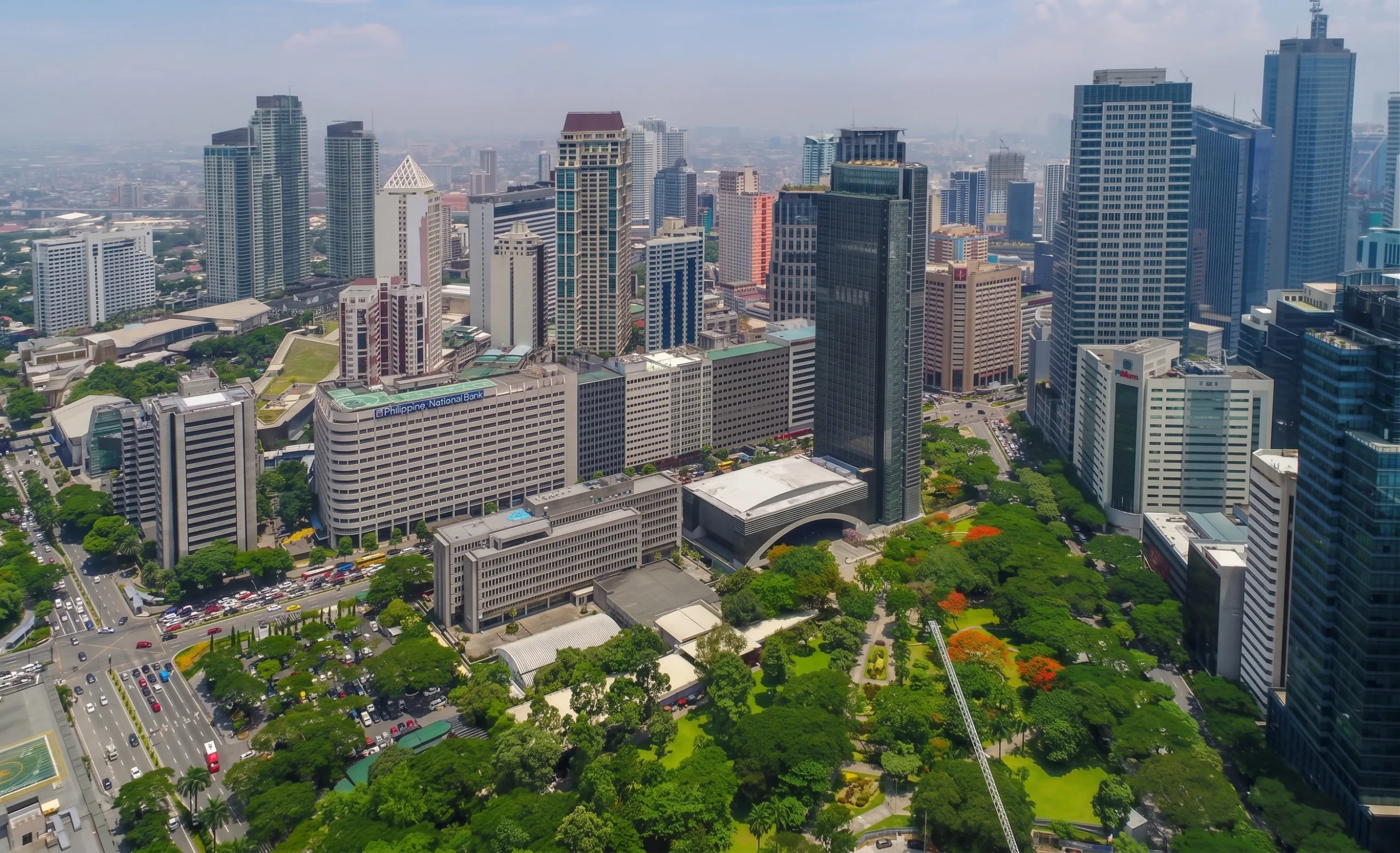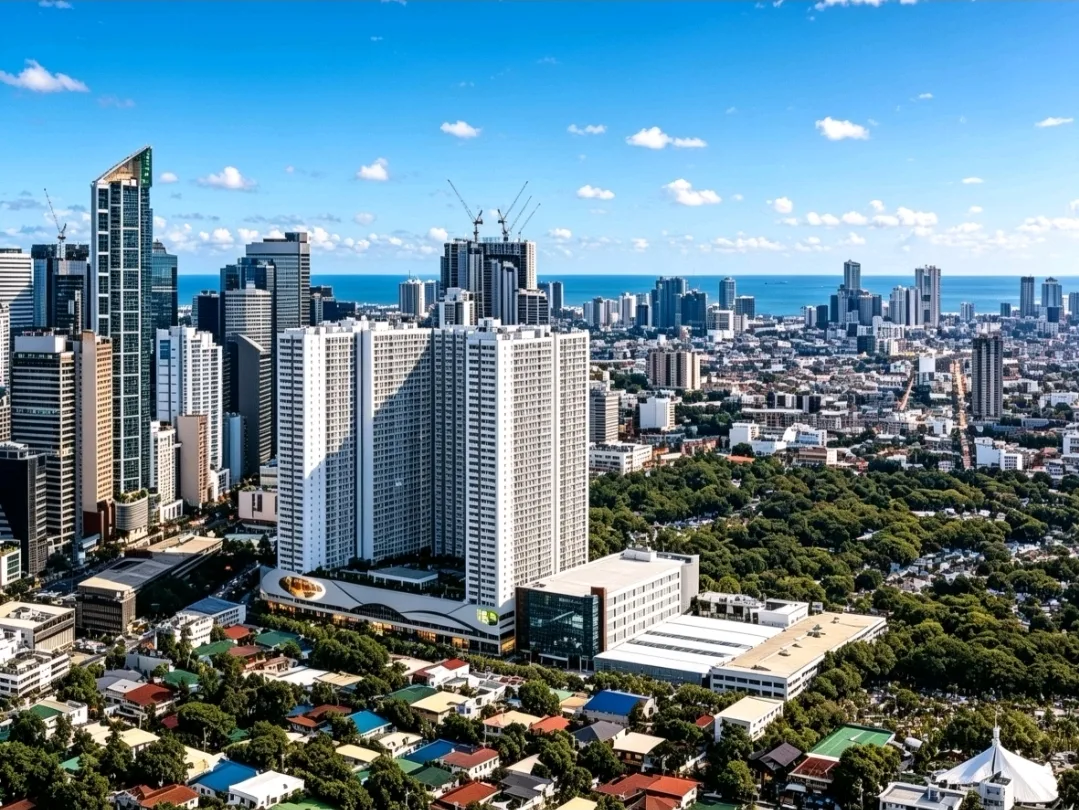
MAKATI CITY — The City Government of Makati has achieved a historic milestone after being named a Global Winner in the World Wide Fund for Nature's (WWF) One Planet City Challenge 2026. The recognition, announced on July 9, 2026, marks the first time a Philippine city, and the first in Southeast Asia that has received this prestigious distinction, cementing Makati's position as a global leader in climate action. The city was honored alongside Paris, France, at the OPCC Global Award Ceremony during the Hamburg Sustainability Conference in Germany on June 30, 2026, where WWF recognized the top-performing cities from over 380 participants across 51 countries in the 2025-2026 cycle.
A Legacy of Bold Climate Action
This recognition reflects years of consistent climate leadership, from science-based emission targets to sustainable urban planning. Prior to this global win, Makati was named the Philippines' National Winner in the 2024 OPCC cycle and was shortlisted as a National Finalist for the second consecutive year alongside Baguio and Tagum. The city has also earned A-List recognition from CDP for three consecutive years for its environmental data disclosure. Makati's comprehensive climate strategy includes green infrastructure incentives integrated into zoning policies, sustainable transport systems, improved solid waste management, and disaster preparedness programs designed to strengthen community resilience.
Pioneering Renewable Energy Transition
Under the city's leadership, Makati also made history as the very first local government in the Philippines to power all of its public buildings entirely with renewable energy. Through a partnership with ACEN Corporation, 154 city facilities, including city hall, hospitals, and schools, will soon run on solar, wind, and geothermal power, with the contract expected to prevent nearly 290,000 metric tons of carbon emissions and save the city around PHP 300 million over the nine-year contract period. The first phase of the transition already powers 11 major facilities, with the city having achieved 60.92 percent of its clean energy target for the year.