MAKATI CITY — As the Philippines joins the global observance of the International Day for Disaster Risk Reduction on October 13, 2026, Makati City stands out for its sustained efforts to bring preparedness down to the household level. This year’s global theme spotlights the critical intersection of education and safety by empowering the next generation, a principle that Makati seamlessly mirrors by embedding readiness directly into its schools and household-level programs. From advanced early warning systems to community-based drills, Makati has cultivated a culture where readiness is not the sole responsibility of government responders but a shared habit among residents. The city’s approach demonstrates how local action can translate national and international frameworks into tangible, everyday safety.
A Warning System That Empowers Action
At the core of Makati’s disaster preparedness is the MAWARI system, short for Makati Advance Warning for Actionable and Risk-Informed. Developed by the city government, MAWARI integrates weather stations, rain gauges, earthquake monitors, water level sensors, and CCTV footage with data from national agencies like PAGASA to produce real-time alerts. Trained community volunteers known as flood spotters provide on-the-ground updates, and mobile applications connect citizens with emergency responders directly. The system is built on the principle that information alone does not save lives; actionable information does. By making warnings specific, timely, and easy to understand, Makati ensures that residents know not just that a hazard is coming, but what to do about it.
From Plans to Practice in Every Barangay
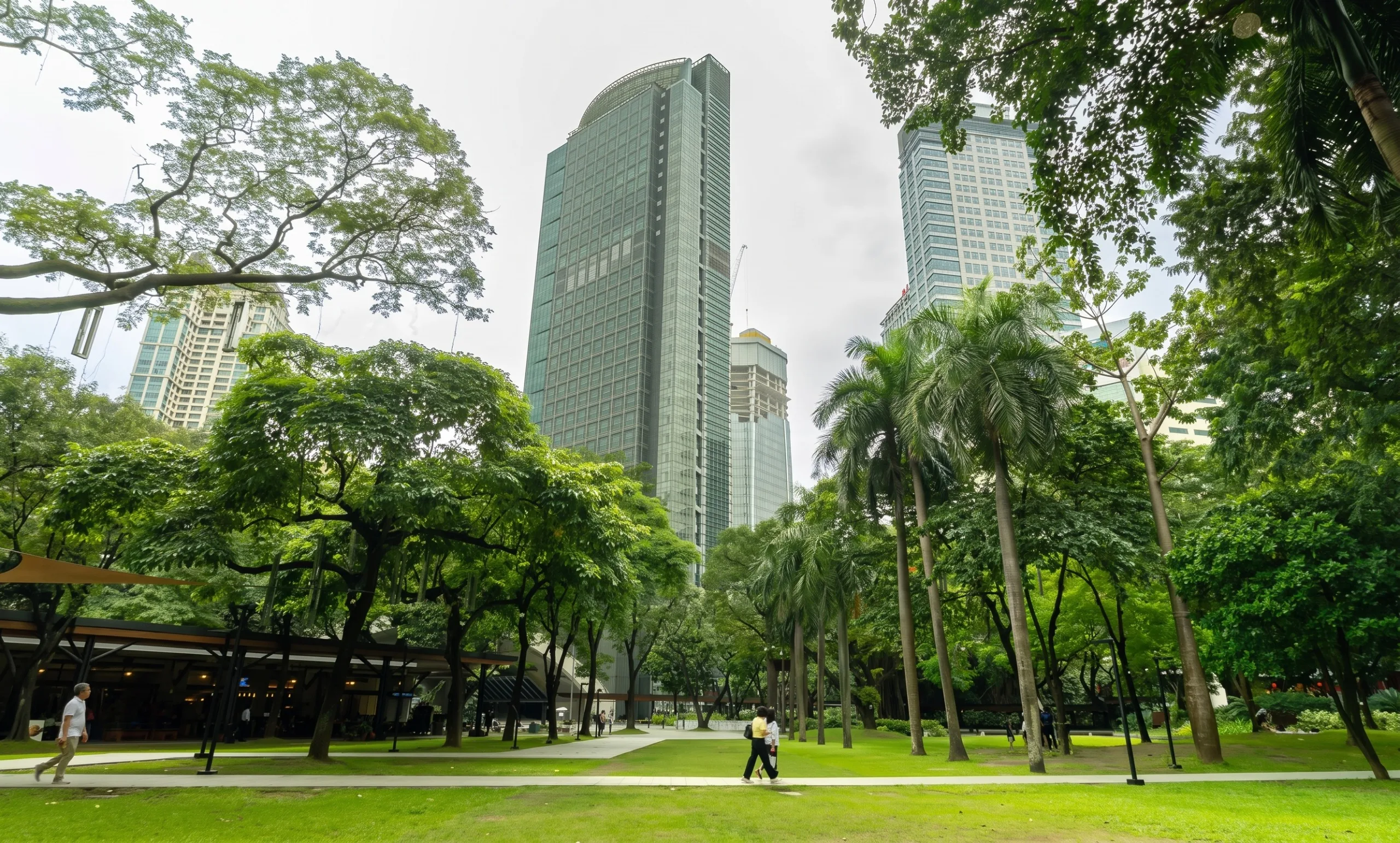
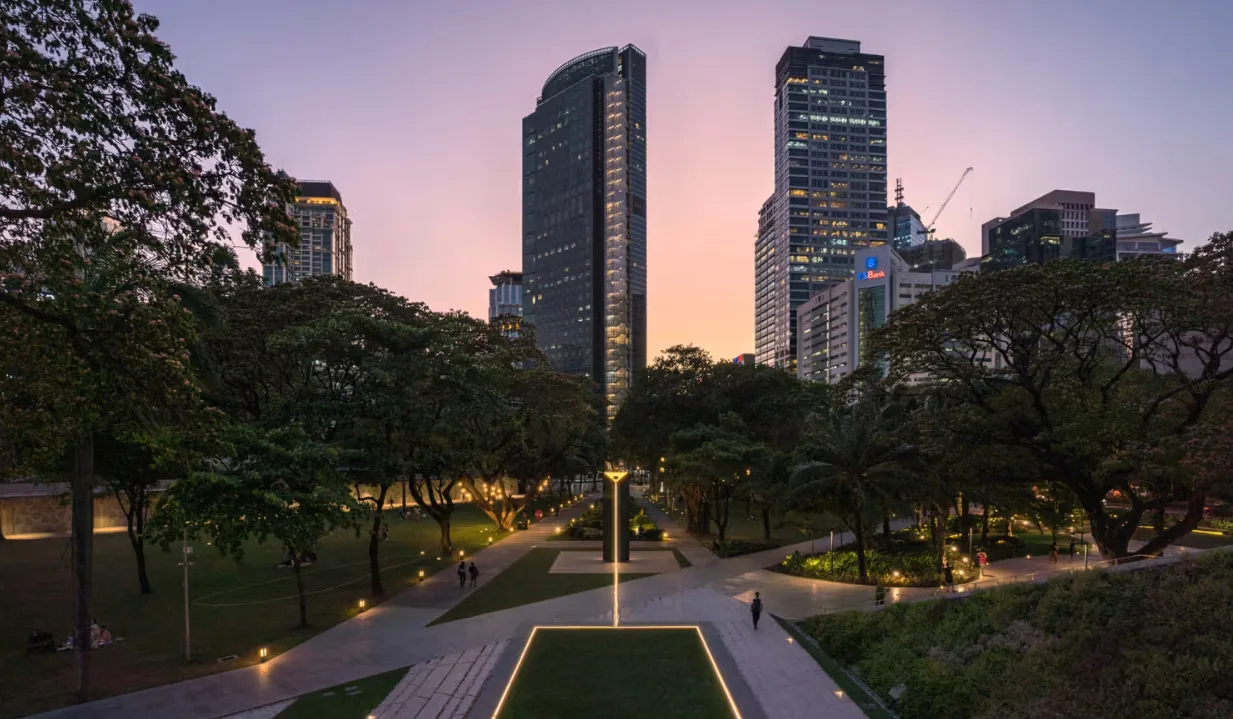
The city’s preparedness framework extends beyond technology. Makati was the third city in the world and the first in the Philippines to formulate a Pre-Disaster Recovery Plan, which outlines policies and activities from the pre-disaster phase through post-disaster recovery. The city has also developed an Earthquake Contingency Plan and a Contingency Plan for Hydro-Meteorological Hazards, addressing the needs of residents near the Pasig River and those living atop the West Valley Fault. These plans are activated through regular drills, including the Nationwide Simultaneous Earthquake Drill, which in September 2026 was hosted at Ayala Triangle Gardens in Makati. The city has invested in 141 disaster response vehicles, 136 automated external defibrillators in public schools and City Hall, and 307 CCTV cameras monitored by the Makati Command Control and Communication Center.
Preparing the Next Generation and the Wider Community
Makati’s efforts also reach into schools and communities, nurturing a generation that treats preparedness as second nature. The city’s Disaster Risk Reduction and Management Office has conducted training for nursing students at the University of Makati, equipping future healthcare workers with emergency response skills. Community-based programs engage barangays in hazard mapping, evacuation planning, and first aid training, ensuring that readiness is embedded at the neighborhood level. These initiatives align with the national Panatag Pilipinas 3.0 campaign, which brings educational videos on hazards to schools nationwide. By investing in people as much as in infrastructure, Makati builds a resilience that is rooted in knowledge, trust, and collective action. The result is a city where every home becomes a safer place, and every resident becomes a participant in the community’s safety.