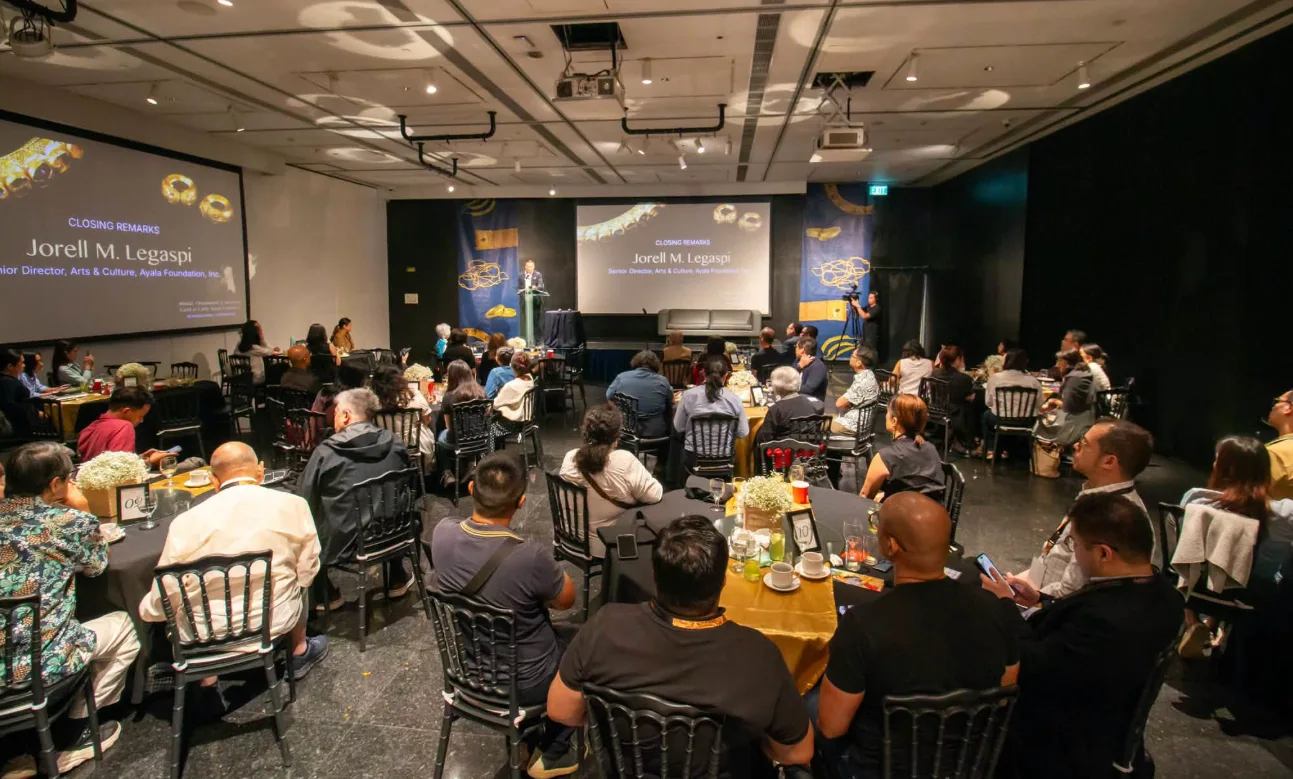
MAKATI CITY — The Makati City Government opened three of its flagship projects to international delegates on November 4, 2026, as part of the 2nd Regional Forum on Human Rights Cities in ASEAN. The site visits demonstrated how the city translates human rights commitments into tangible programs for children, youth, and the environment. Delegates toured the Makati Youth Home, the Teen Center at Makati High School, and the rehabilitated Estero de Tripa de Gallina linear park. The tour underscored the city's position that real human rights progress is measured by daily public service delivery rather than just written policies. It formed the experiential highlight of the two-day forum hosted at Dusit Thani Manila, which gathered local governments and partners from across ASEAN and the European Union.
A Focus on Youth and Safe Spaces
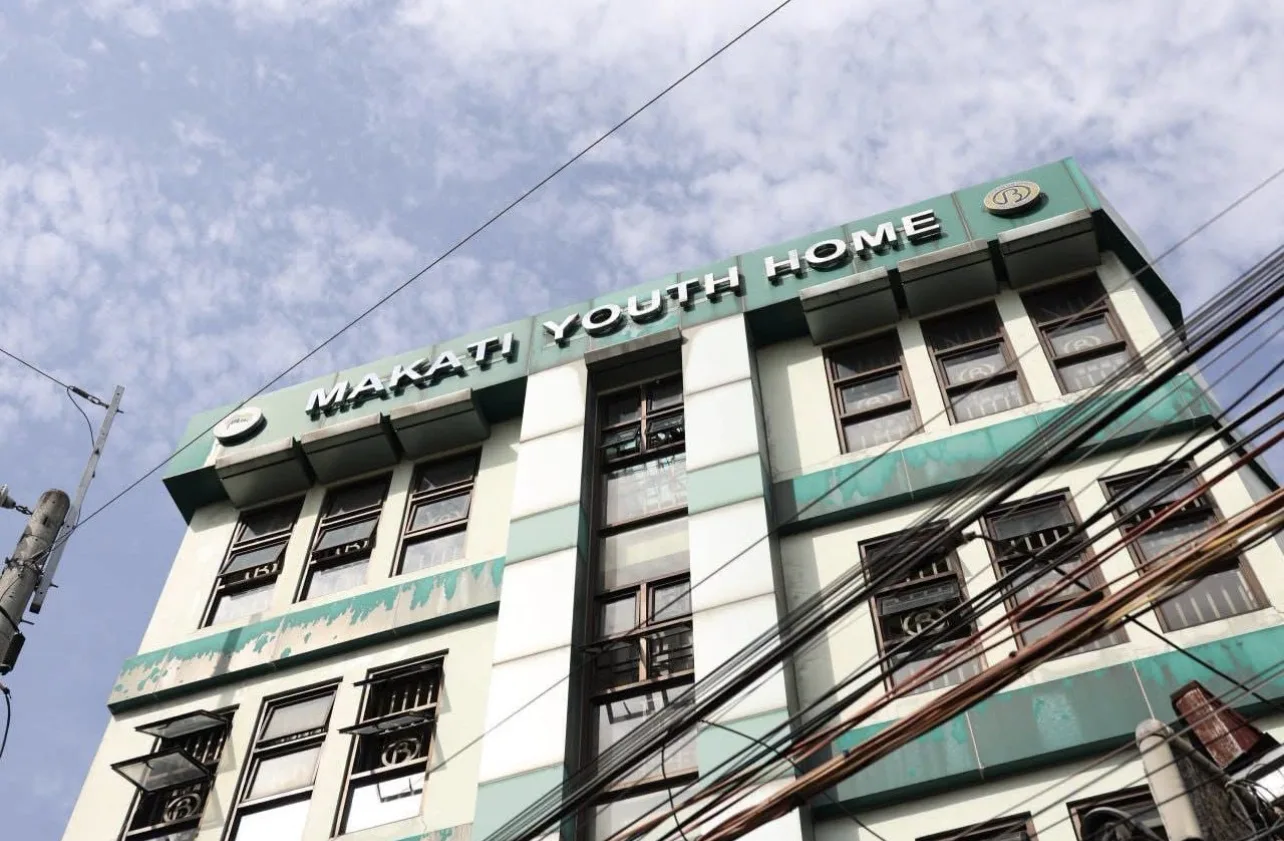
The Makati Youth Home, known as Bahay Pag-asa, supports minors in the legal system through temporary housing, schooling, therapy, medical care, and skills training. Delegates then visited the Teen Center at Makati High School in Barangay Poblacion, which offers students aged 10 to 19 a private area for studying and peer-led guidance. This facility provides a secure environment for young learners to access resources and emotional support from their peers. These site visits grounded the forum’s policy discussions in concrete examples of local governance protecting vulnerable sectors. By showcasing these facilities, Makati highlights its dedication to fostering a supportive and inclusive environment for the next generation.
Environmental Rehabilitation and Regional Cooperation
The final stop was the one-kilometer linear park along Estero de Tripa de Gallina in Barangay San Isidro, which features a playground, exercise equipment, and a greenhouse. The site was recognized by the Department of Environment and Natural Resources-National Capital Region in March 2024 for its sustainability. The delegations included representatives from the ASEAN Intergovernmental Commission on Human Rights from the Philippines, Lao PDR, and Thailand. Makati’s hosting reinforces its position as a city where human rights commitments are translated into measurable public services and rights-based budgeting. By opening its facilities to regional peers, Makati demonstrates that the proof of a Human Rights City lies in the daily experience of its residents.