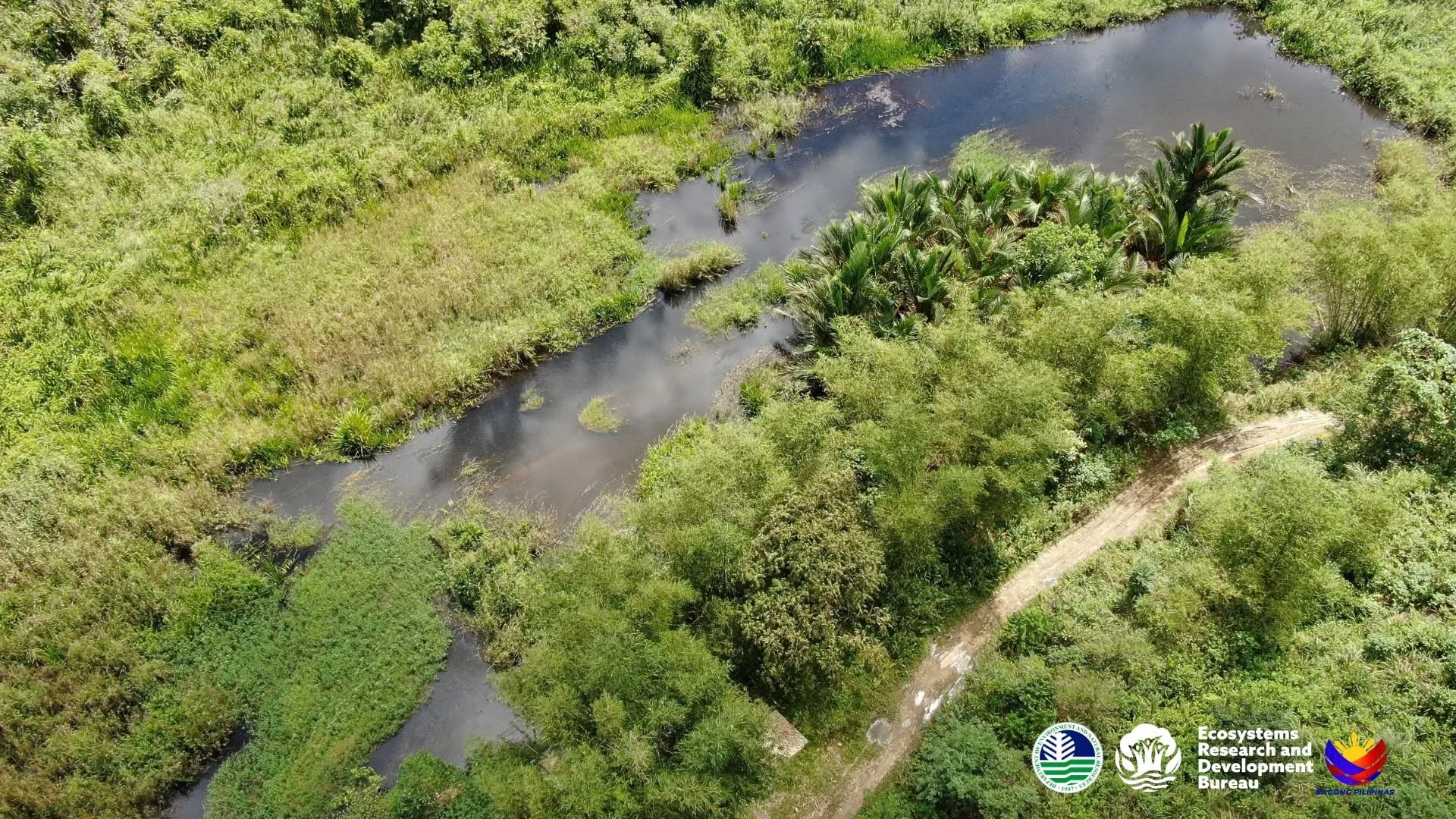
PALO, LEYTE — The Department of Environment and Natural Resources has confirmed a significant new peatland in Barangays Barayong and Campetik, covering a probable area of 168.34 hectares. This discovery adds a vital carbon-rich ecosystem to the country's environmental map.
A Major Scientific Discovery
The confirmation followed a rigorous assessment by the Ecosystems Research and Development Bureau through its Watershed and Water Resources Research, Development and Extension Center. The team worked in close coordination with the DENR Provincial Environment and Natural Resources Office in Leyte to verify the site.
Soil sampling and field evaluations provided compelling evidence of peat deposits. Eleven soil samples collected from three sampling points showed organic matter content ranging from 10.84 percent to 33.70 percent, with an overall mean of 21.83 percent, meeting the Ramsar Convention criteria for tropical peatlands.
Field observations revealed peat deposits reaching depths of up to 150 centimeters with varying stages of decomposition. The area also supports diverse wetland vegetation, including the lumbiya palm, gaas basket grass, and water lettuce, creating a rich habitat for associated species.
Nature's Giant Sponge
Peatlands function like giant natural sponges, absorbing heavy rainfall and releasing water slowly to reduce flash floods. Although they cover only about three to four percent of the Earth's land surface, studies show they store more carbon than all the world's forests combined.
Protecting and sustainably managing these ecosystems is critical for climate change mitigation. By keeping vast carbon stores in the ground, peatlands help regulate global temperatures and provide essential water regulation services for surrounding communities.
Expanding the National Inventory
This finding brings the total number of confirmed peatlands in the Philippines to 28. The newly identified Palo, Leyte Peatland is located southeast of the Leyte Sab-a Basin Peatland, another recognized peatland ecosystem in the province.
The ERDB has been conducting peatland research and assessment activities across the country since 2018. These initiatives aim to improve information on their distribution, characteristics, and ecological condition, providing science-based data for conservation efforts.
The bureau has also developed a technical manual to guide future assessments in different regions. This resource supports the DENR, local government units, communities, and academic institutions in their shared responsibility to manage these vital ecosystems.
A Push for Legislative Protection
ERDB Director Lormelyn E. Claudio expressed hope for the passage of House Bill No. 5083, which promotes the conservation and sustainable use of peatlands. The proposed law would provide a concrete framework for collaborative management while contributing to national climate resiliency.
Until national criteria are fully met, further field deployment and validation will be conducted to establish the site's characteristics. This ongoing work underscores the government's commitment to science-based environmental stewardship and community resilience.