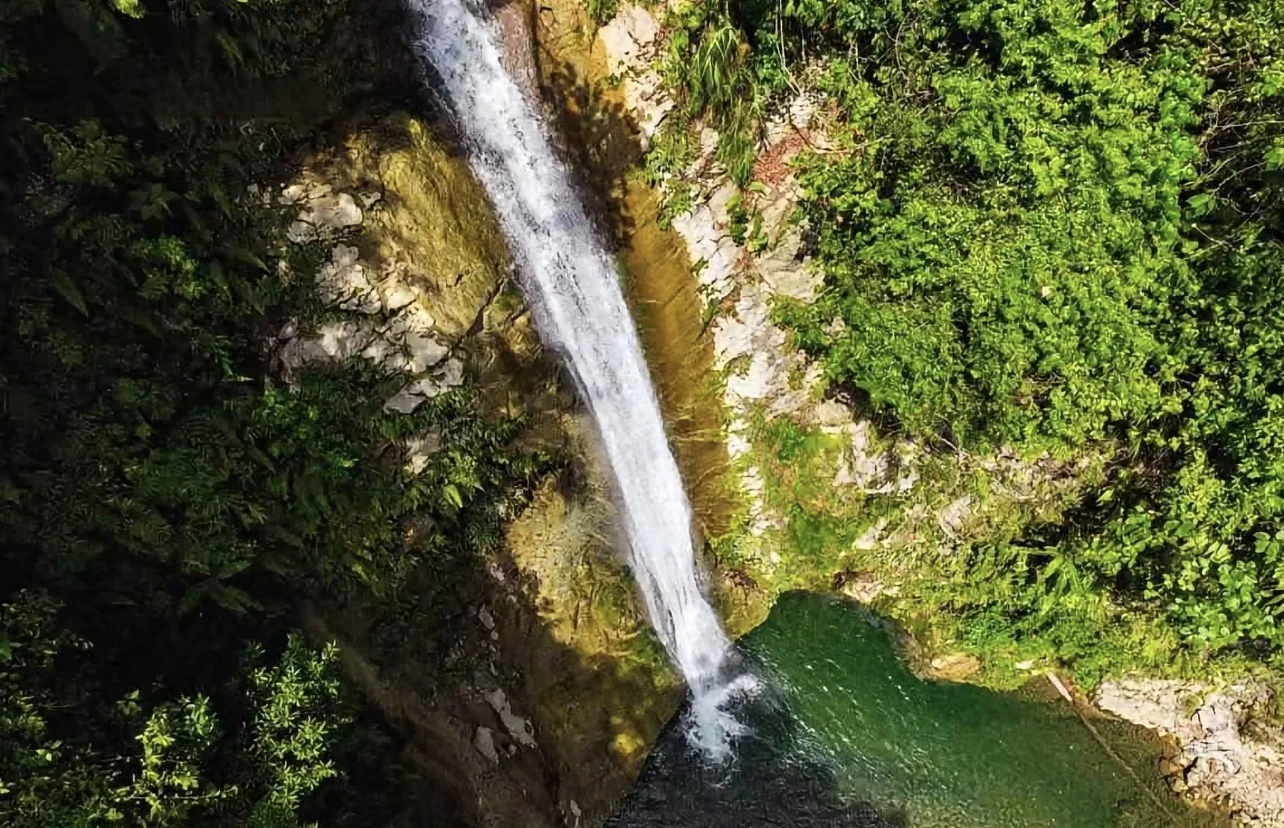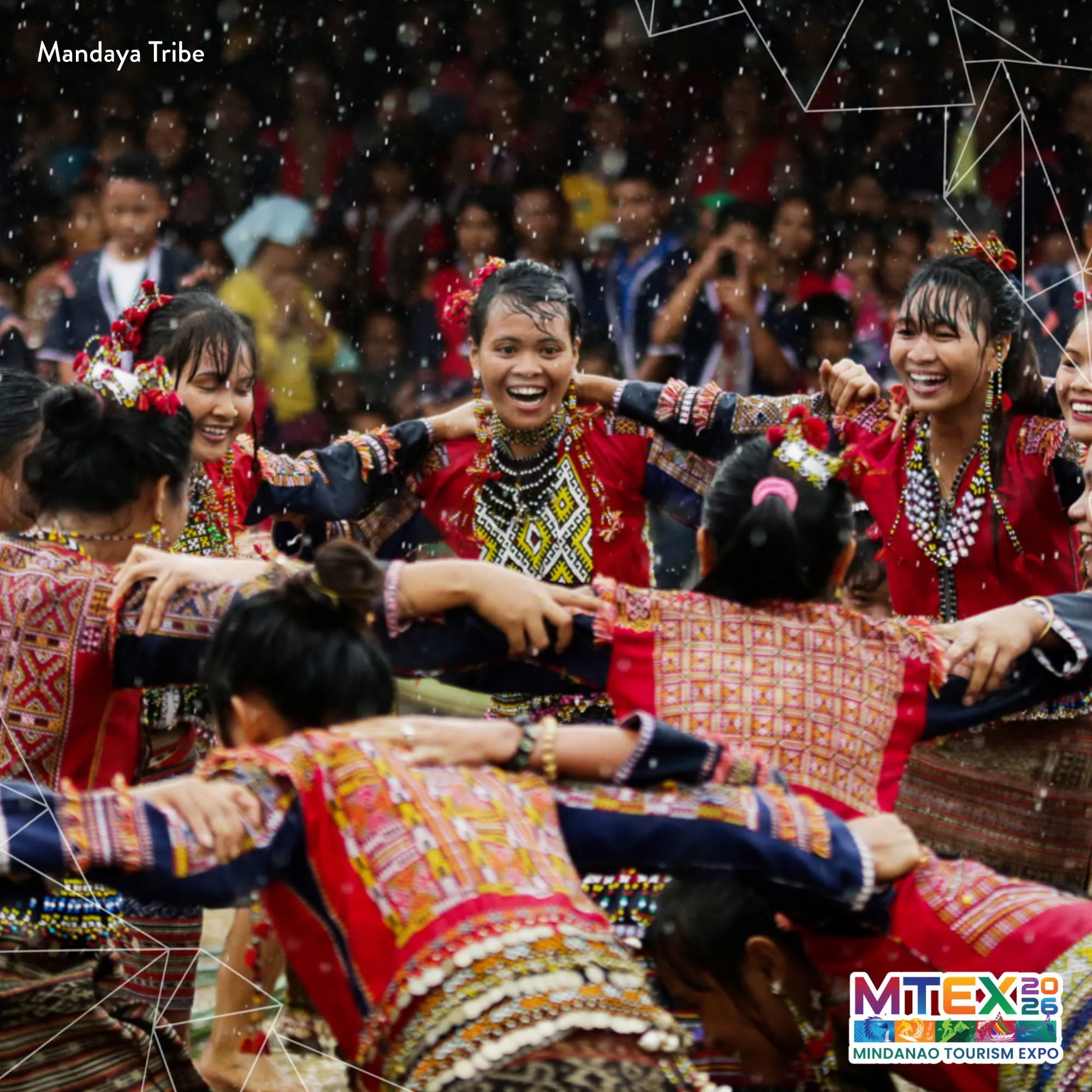
DAVAO ORIENTAL — High in the mist-shrouded highlands where the Pacific breeze sweeps across the mountain ranges of Davao Oriental, Davao de Oro, and Surigao del Sur, an ancient rhythm resonates through the forest canopy. This is the ancestral homeland of the Mandaya, one of Mindanao's most culturally vibrant Indigenous communities.
The First People Upstream
The name Mandaya derives from "man," meaning first or people, and "daya," meaning upstream or the upper reach of the river. Together, the term translates to "the first people upstream," reflecting their deep connection to the highland waterways that have sustained them for generations.
As the Philippines observes National Indigenous Peoples Month this October, the legacy of the Mandaya stands as a testament to artistic brilliance and spiritual harmony with nature. While modern influences have reshaped much of the archipelago, the Mandaya continue to guard a heritage woven into their ancestral land, music, oral poetry, and sacred textiles.
The Dagmay: A Sacred Woven Document
At the heart of Mandaya culture lies the dagmay, a handwoven abaca cloth renowned for its artistry and spiritual essence. Traditional weavers, almost exclusively women, receive their designs through dreams bestowed by Tagamaling, a powerful spirit deity associated with creation and wisdom.
The weaver extracts fine fibers from the native abaca plant, preparing them for the complex ikat resist-dyeing technique. Dyes come entirely from forest elements: deep blacks from iron-rich river mud, rich reds from tree barks and roots, and warm yellows from natural botanicals. The patterns tell stories of cosmic harmony, featuring the buaya or crocodile as a sacred guardian.
Spirituality, Agriculture, and Community
The Mandaya worldview centers on Magbabaya, the Supreme Creator who governs the universe. Interceding between the physical and spiritual realms are the Baylan, spiritual leaders and healers who serve as chant-keepers, herbal doctors, and ritual specialists within the community.
Traditional agriculture relies on kaingin or swidden farming, where upland rice, millet, and tubers are cultivated in harmony with natural cycles. Farmers look to constellations like payo-payo and bagatik to signal when to clear, plow, and sow. Work is bound by communal unity through bulig, where neighbors join together to clear hillsides.
Aesthetic Heritage and Musical Traditions
Mandaya women dress in the bado, a fitted collarless jacket of deep red accented with intricate threadwork. This pairs with the heavy dagmay skirt and the sowat, a carved bamboo comb embellished with beads and tassels. Men wear the dagum jacket with pantot trousers secured by a braided abaca belt.
The acoustic heritage echoes the natural environment. The kudlong, a two-stringed boat lute, produces melancholic melodies used during courtship serenades. The gimball drum, bonabon flute, and kobeng jaw harp accompany ceremonial dances. Bayok, a chanted poetry form, resolves disputes and recounts genealogies.
Guardians of Living Heritage
As National Indigenous Peoples Month draws attention to the Philippines' cultural mosaic, the Mandaya story reminds us of the imperative to honor Indigenous culture. Elders continue passing down backstrap weaving to young girls, ensuring the dreams of Tagamaling never fade.
To celebrate the Mandaya is to recognize that Indigenous knowledge systems are living pillars of human heritage. Through every thread of the dagmay and every verse of the bayok, the Mandaya invite the world to listen, respect, and honor the First People Upstream.