A Family Can Be a Temporary Safe Place
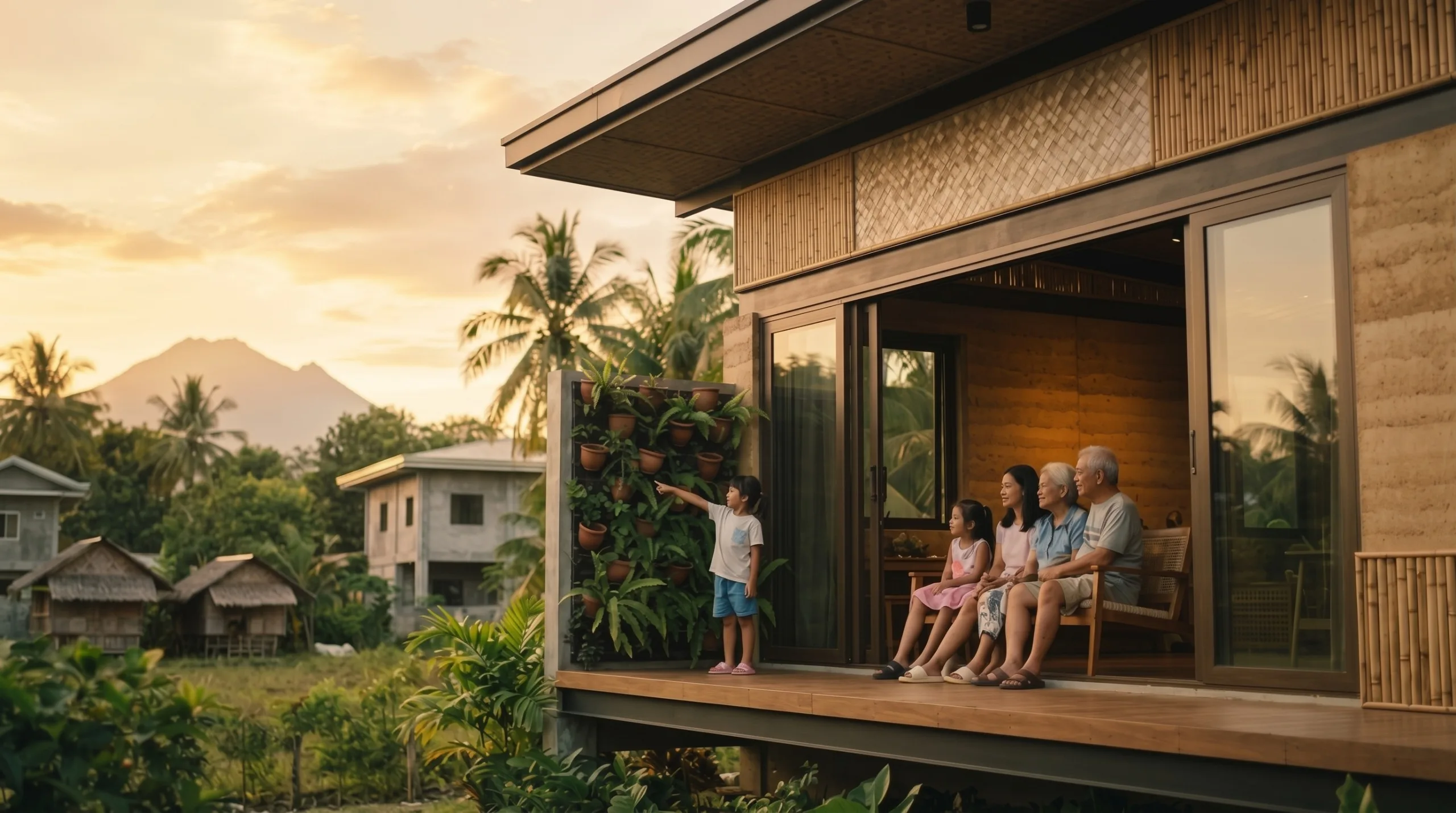
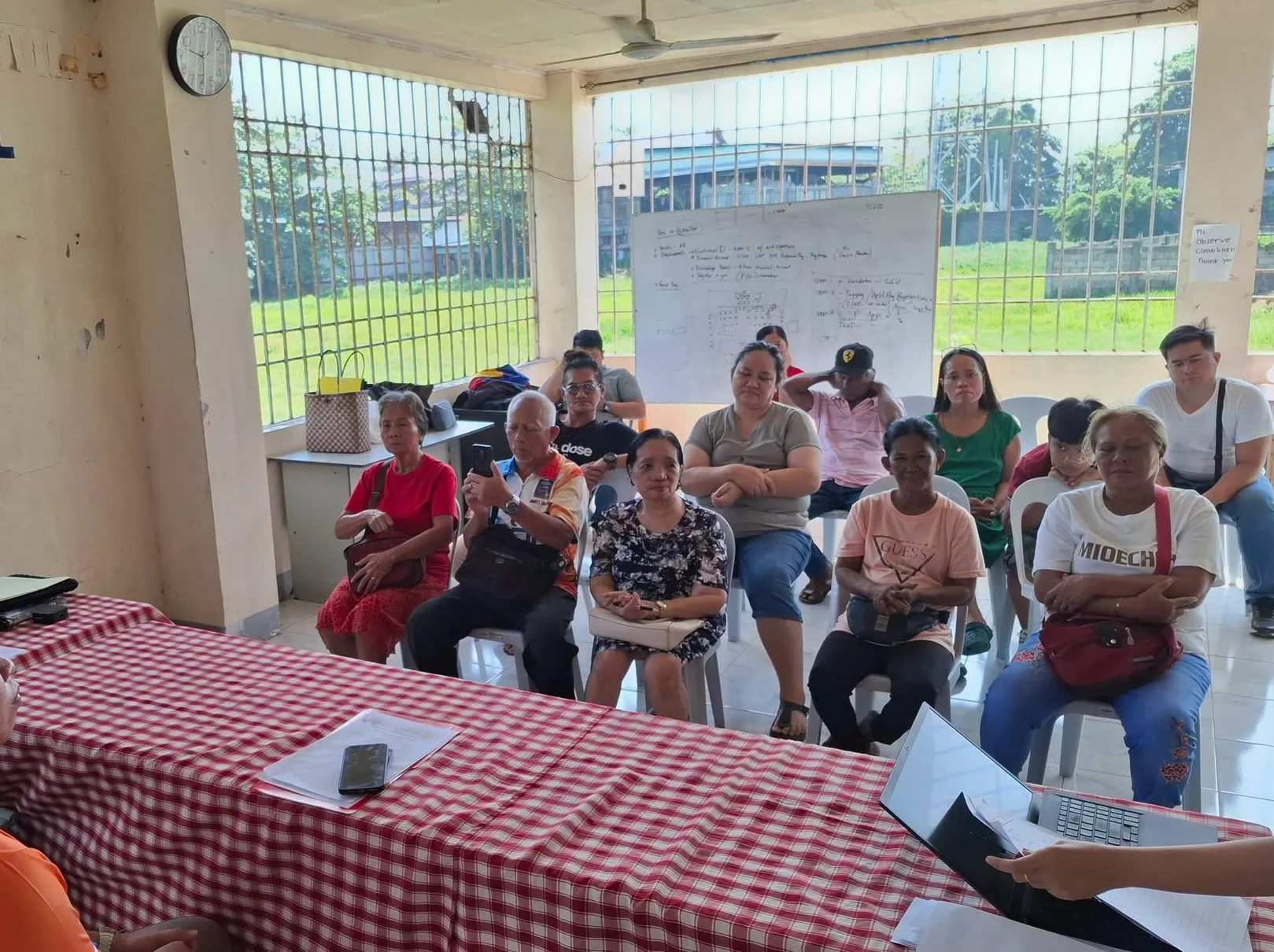
OZAMIZ CITY - Foster care is different from adoption, but its purpose can be just as meaningful during a child’s time of need. The DSWD describes foster care as planned temporary substitute parental care provided by a licensed foster parent or family. It may be used when a child’s biological family is temporarily unable to provide adequate care. This makes foster families part of a carefully regulated child-protection system rather than simply households volunteering to take in children. In Ozamiz City, the message shared through “Asenso sa Pamilya” highlights these families and their willingness to open both their homes and their hearts to children needing temporary care.
Support Matters for the Families Doing the Caring
Taking a child into a foster home involves more than providing meals and a bed. Foster parents may need to respond to a child’s emotional, educational, and everyday needs while also working with social workers and following the requirements of the foster-care system. DSWD guidance states that prospective foster parents undergo assessment and must meet qualifications before receiving a foster-care license. The National Authority for Child Care also identifies foster care as part of the country’s alternative child-care system. For families in Ozamiz who undertake this responsibility, recognition and practical support can help reinforce the idea that caring for a child in temporary need is a shared responsibility rather than a task carried alone.
Ozamiz Adds Its Voice to Family-Based Care
The Ozamiz initiative also fits within a broader national direction toward family-based care. In June 2026, the DSWD and NACC reported that more than 6,000 children had been served and protected through NACC programs, while 644 children had been placed in foster families since 2023. The agencies have been working to strengthen systems that allow children to receive care in family environments rather than relying unnecessarily on institutional settings. For Ozamiz, supporting foster families gives that national principle a local dimension. A foster home may only be temporary, but for a child going through a difficult period, having a dependable family environment can make that temporary chapter safer and more reassuring.