


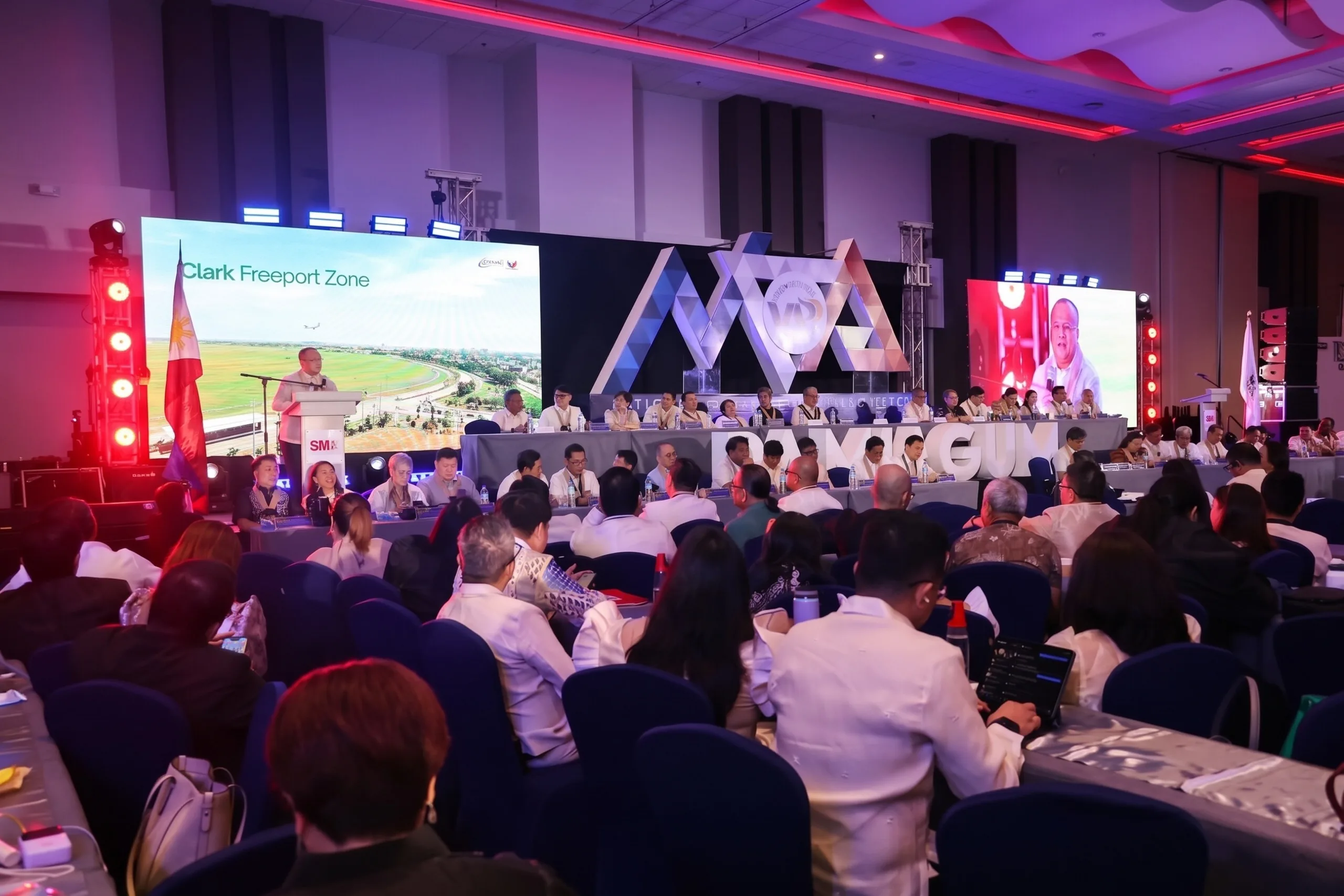
CLARK FREEPORT ZONE, PAMPANGA — The ultimate success of a city isn't hidden inside its architectural balance sheets or the height of its glassy skyscrapers—it is measured by the everyday lives of the people navigating its streets. This philosophy took center stage at the SMX Convention Center Clark as the United Architects of the Philippines kicked off its 2026 National Conference of Architects. Running from October 15 to 17, 2026, the convention centers on a compelling Kapampangan conceptual theme: "PAMIAGUM: The Architecture of Convergence." The gathering challenges over 1,000 design professionals to look beyond beautiful blueprints and focus heavily on cross-sector collaboration to solve modern urban issues.
Clark's Transformation as a Blueprint for Responsible Growth
Once a massive, single-use military air base, the modern Clark Freeport Zone has evolved into a master-planned economic powerhouse—locking in PHP 372 billion in actual investments, housing 1,295 active corporate locators, and generating a massive workforce of 151,593 local jobs . This transformation reflects the broader vision of the Clark Development Corporation to balance industrial growth with human development. The Clark Freeport Zone has become a model for how former military installations can be repurposed into vibrant economic hubs, with investments spanning aerospace, logistics, manufacturing, and information technology sectors . The conversion has also spurred the development of complementary facilities including the Clark International Airport expansion, the new passenger terminal building, and various commercial and residential township projects that collectively create a self-sustaining ecosystem for residents and businesses alike.
Designing Human Equity Into the Urban Fabric
However, the core takeaway of the address was a sharp warning against treating these massive figures as a final destination. Tiotuyco emphasized that true structural progress must be designed into the foundation from day one, rather than treated as an afterthought once the concrete dries . By purposefully expanding local investments into accessible healthcare, public green corridors, cultural heritage preservation, and multi-modal transit connectivity, the state-run enterprise is actively trying to rewrite the rules of local urban design . This approach aligns with the United Architects of the Philippines' broader advocacy for human-centered architecture, where the profession's role extends beyond aesthetics to encompass social responsibility and environmental stewardship. The ultimate goal is to prove that when government governance, private capital, and architectural ingenuity converge under a single vision, they aren't just constructing functional commercial districts—they are building sustainable, resilient communities that people can genuinely feel proud to call home.
