


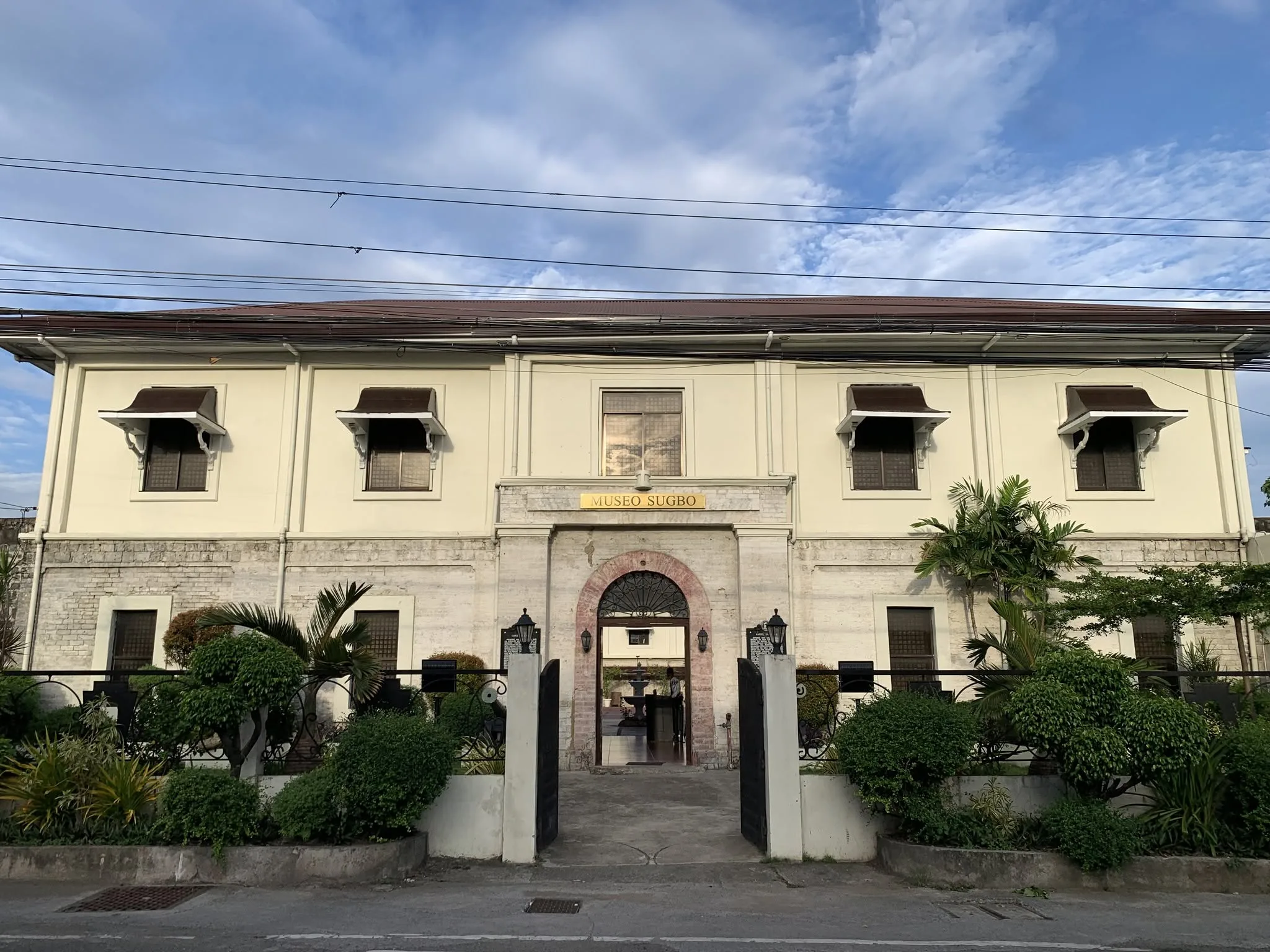
CEBU — The walls that once held prisoners now hold stories of a nation. Museo Sugbo, the Cebu Provincial Museum, is celebrating 18 years of bringing history to life inside a building that itself is a witness to centuries of struggle and survival. Established on August 5, 2008, the museum has become the cultural heart of the province, drawing tourists, students, and history buffs to its restored coral‑stone corridors.
A Prison’s Second Life: From Cárcel de Cebú to Museum
Long before the museum opened its doors, the sprawling complex along M. J. Cuenco Avenue served a darker purpose. Built in 1871 under the Spanish colonial government, the Cárcel de Cebú was designed by Domingo de Escondrillas, the only architect practicing in Cebu at the time. Thick coral‑stone blocks, believed to have been salvaged from a demolished church, formed cells that held revolutionaries, American‑era dissenters, and later, World War II guerrilla fighters.
The Japanese occupation brought some of the building’s darkest days. The Kempeitai military police used the cells for interrogation and torture. After the war, the compound returned to its role as the provincial jail until 2004, when inmates were transferred to a modern facility. The provincial government then chose to preserve the historic structure rather than demolish it, a decision that would give birth to one of Cebu’s most important cultural landmarks.
What Visitors Can Discover Inside
Today, Museo Sugbo houses multiple galleries spanning over 500 years of Philippine and Cebuano history. Visitors begin their journey in the Pre‑Colonial Gallery, where ancient burial jars, gold‑pegged teeth, and trade ceramics reveal a thriving society long before Spanish arrival. The Spanish Colonial Gallery displays original letters from conquistador Miguel López de Legazpi, while the Katipunan and American‑Era galleries showcase revolutionary flags, weapons, and memorabilia.
The World War II Memorial Gallery holds an authentic wartime aerial bomb, guerrilla archives, and artifacts documenting the occupation. A branch of the National Museum of the Philippines also operates within the complex, featuring political memorabilia and presidential signatures engraved in 24‑karat gold‑plated metal. In the courtyard, an original 19th‑century Spanish well, unearthed during renovations, now draws visitors who toss coins for good luck.
A Living Museum That Keeps Growing
Museo Sugbo’s anniversary is marked not with extravagant parties but with renewed programming. According to museum staff, this year’s celebration includes free guided tours for students and an exhibit on the building’s architectural evolution. “Every wall whispers of the past,” reads a social media post from the museum, “and in every story, a future remembered.”
The museum also serves as an event venue, hosting cultural performances, book launches, and heritage workshops. Its central courtyard, once a prison yard, now buzzes with families and tour groups exploring the city’s history. With admission at only ₱50 for general visitors and ₱25 for students, seniors, and teachers, it remains one of the most accessible educational destinations in Cebu.
Why Museo Sugbo Matters Today
In an era of rapid modernization, the museum stands as a tangible link to the past. It reminds visitors that Cebu’s identity is built on resilience—from ancient maritime traders to freedom fighters. By preserving the Cárcel de Cebú, the province transformed a site of pain into a place of learning, ensuring that the lessons of history are not forgotten.
For those planning a visit, Museo Sugbo is open Tuesday through Saturday from 9:00 AM to 4:00 PM. It is located a short walk from Plaza Independencia and other heritage landmarks, making it an ideal starting point for a downtown history tour. As the museum enters its 19th year, its mission remains clear: to safeguard Cebuano heritage, one story at a time.
