A Closer Look at MV Grand Pelican 2
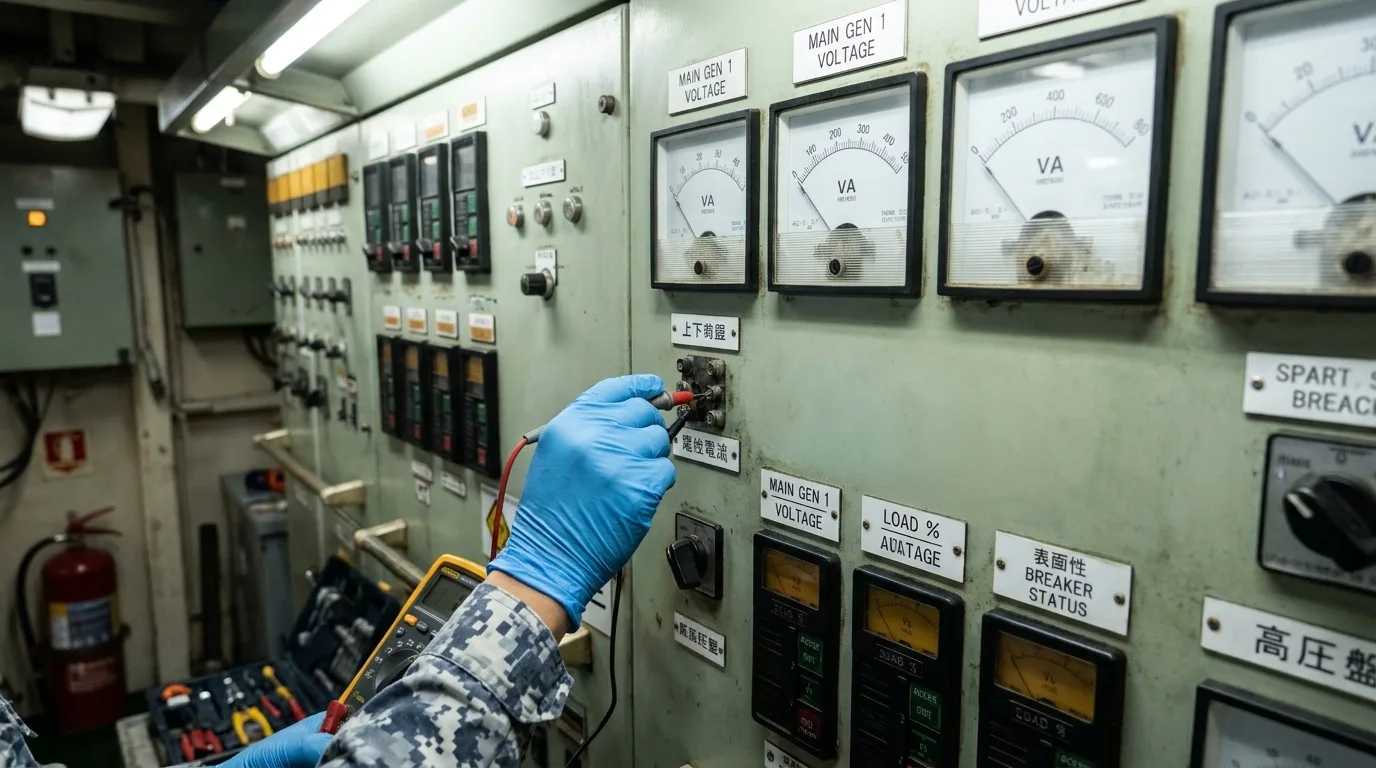
OZAMIZ CITY- The inspection aboard MV Grand Pelican 2 placed a specific vessel under maritime safety scrutiny rather than focusing on general port operations. Vessel Safety Enforcement Inspections are intended to verify compliance with applicable safety standards and requirements for domestic shipping. These checks may cover vessel documentation, navigational equipment, fire protection, life-saving appliances, and the readiness of the crew. The activity involving Daima Shipping Lines highlights the importance of maintaining these requirements throughout a vessel's operation.
Protecting an Important Maritime Connection
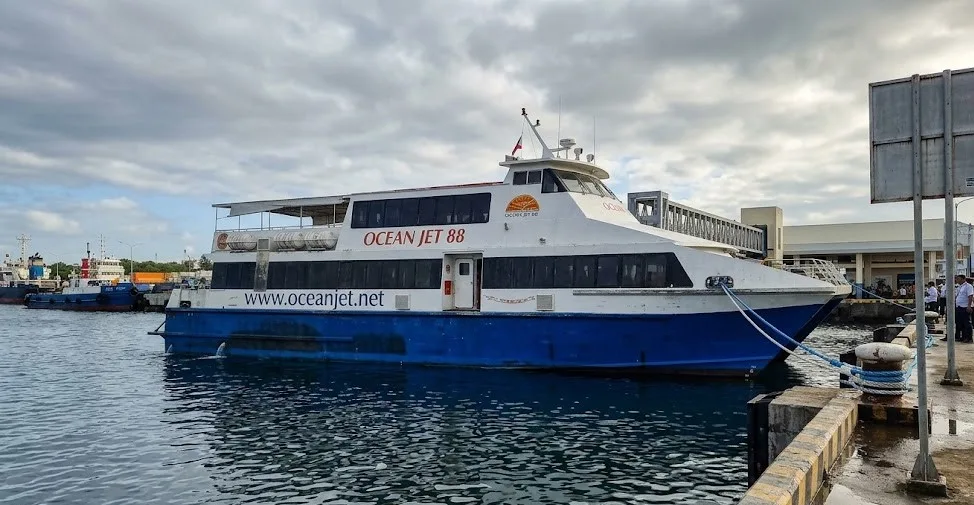
The Ozamiz–Mukas route connects Misamis Occidental with Mukas in Kolambugan, Lanao del Norte, making ferry transportation an important part of inter-area mobility. MARINA's Philippine Nautical Highway records identify Daima Shipping Corporation's MV Grand Pelican vessels among the services operating along this connection. Regular attention to vessel safety requirements therefore matters not only to shipping companies but also to passengers who depend on reliable sea transportation. Through its inspection aboard MV Grand Pelican 2, CGSS Ozamiz brings attention to the shared responsibility of maritime authorities and shipping operators in keeping sea travel safe.
Why Every Safety Requirement Matters
A ship's readiness involves more than its ability to complete a scheduled journey. Proper safety equipment, valid documents, functioning machinery, and trained personnel all contribute to the protection of passengers, crew members, and cargo. Philippine Coast Guard guidelines provide a framework for examining these essential areas during Vessel Safety Enforcement Inspections. Identifying deficiencies and requiring appropriate corrective action help ensure that safety concerns receive attention before they become more serious problems.