


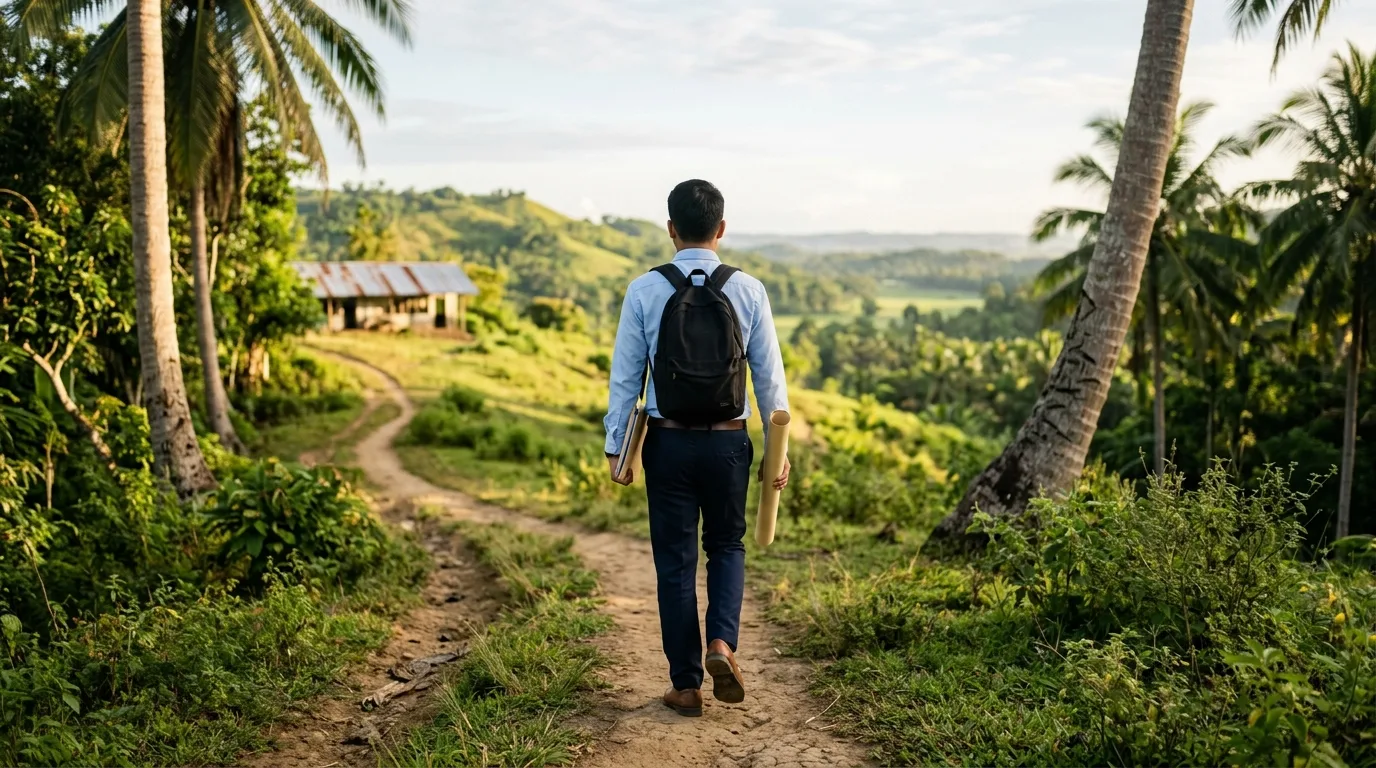
CEBU — From the bustling urban centers of Cebu City and Mandaue to the coastal villages of Bantayan and Camotes, and up to the mountain barangays along the Transcentral Highway, educators stand as the driving force behind the island-province's progress. As the Philippines celebrates National Teachers' Month from September 5 to October 5, Cebu honors the thousands of teachers who shape the intellect, character, and spirit of the Queen City of the South.
The Heart of Cebuano Education
Cebu has long served as an epicenter of learning in Central Visayas. Legacy institutions like Cebu Normal University, University of San Carlos, and University of San Jose-Recoletos have produced generations of exemplary educators. Yet, the true heart of Cebuano education beats in every classroom where a teacher turns a modest chalkboard into a gateway to possibility.
The true measure of Cebu's educational excellence is not found in university rankings alone. It thrives in public school classrooms, island learning centers, and mountain schools where teachers work tirelessly to ensure no child is left behind. This dedication forms the foundation of the province's enduring legacy.
The Cebuano Spirit: Kugi and Lahutay
To understand teaching in Cebu is to understand the defining values of kugi (hard work) and lahutay (perseverance). In Cebu City, Mandaue, and Lapu-Lapu, teachers manage large classrooms and heavy administrative duties. They rise before dawn, brave congested streets, and craft engaging lessons amid modern distractions.
In distant island barangays and high-altitude mountain schools in Balamban, Barili, and Oslob, teachers face entirely different trials. Island educators brave choppy seas aboard small boats to deliver learning modules. Highland teachers traverse winding dirt tracks, ensuring distance never becomes a barrier to knowledge.
When classrooms lack modern facilities, teachers routinely draw from their personal income. They furnish learning corners and print activity sheets with their own resources. This relentless drive embodies the true meaning of lahutay—a determination to endure and excel regardless of obstacles.
Balancing Heritage with Global Ambition
What sets Cebu's educators apart is their ability to bridge rich history with forward-looking ambition. Cebu is steeped in heritage, from the historical milestones of Mactan to the centuries-old devotion to the Señor Santo Niño. Teachers serve as guardians of this identity, instilling pride in Cebuano language and culture.
At the same time, Cebu's position as an international hub demands a forward-thinking mindset. Educators are rapidly integrating digital tools, STEM concepts, and critical thinking skills into their curricula. They prepare young Cebuanos to step onto international stages with both roots and wings.
Serving as Suga in the Community
In Cebuano culture, suga (light) is reserved for those who illuminate paths for others. Teachers serve as the suga of their communities. Beyond professional obligations, they function as mentors, counselors, and trusted confidants, often noticing when a student struggles at home.
During crises, teachers stand on the front lines. School facilities transform into evacuation centers, with teachers coordinating relief efforts and maintaining stability. Their presence provides a beacon of hope, reassuring families that education and progress will endure.
"Teacher, Ikaw Naman!": A Call to Action
National Teachers' Month urges communities to turn attention toward educator well-being. Across Cebu, local governments, civic organizations, and private enterprises step up with special initiatives and tribute events. Yet, the most meaningful gifts are often the simplest: a sincere letter of thanks or a visit from an alumnus.
