Trees Create Natural Shade Around Homes
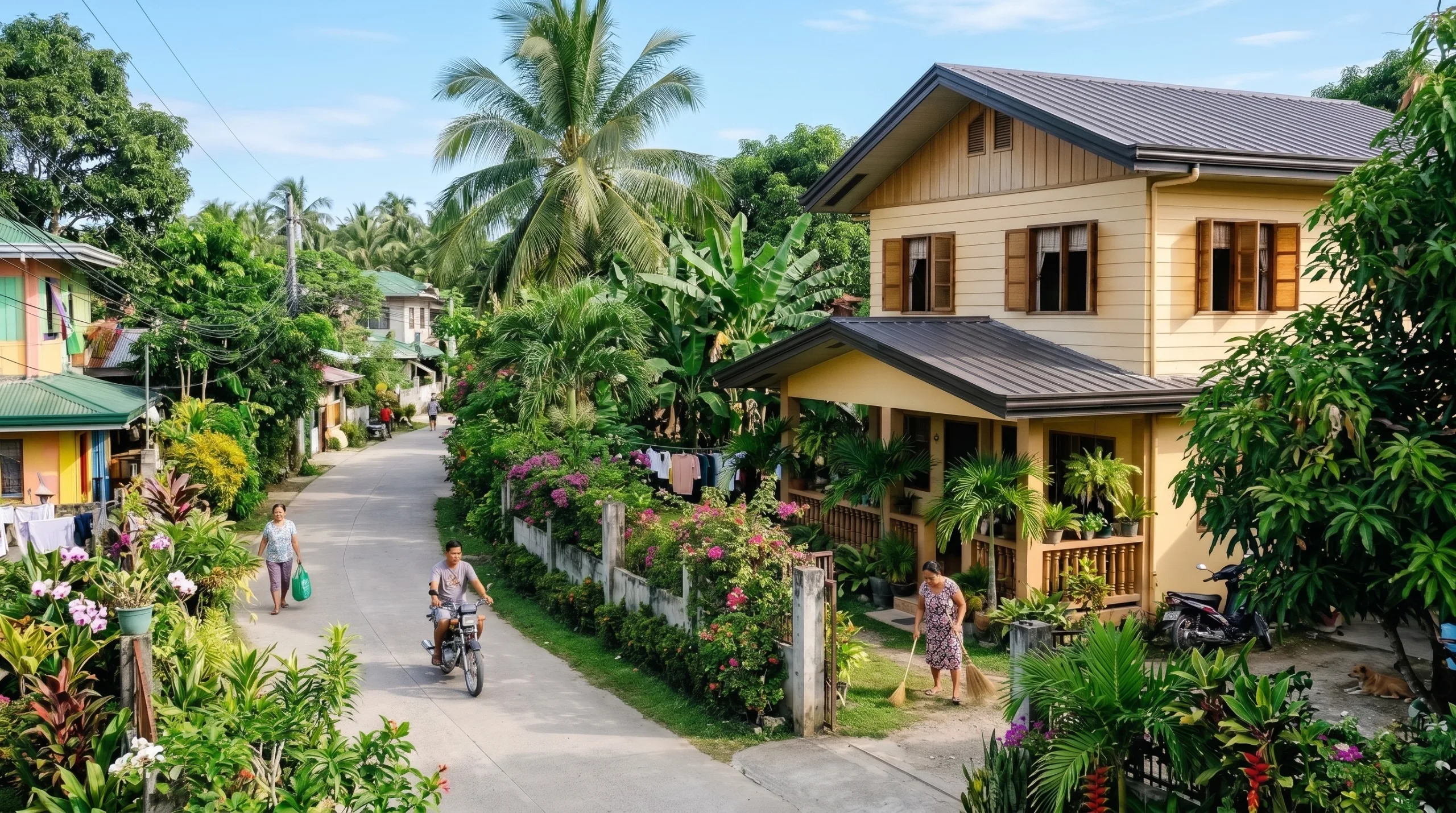
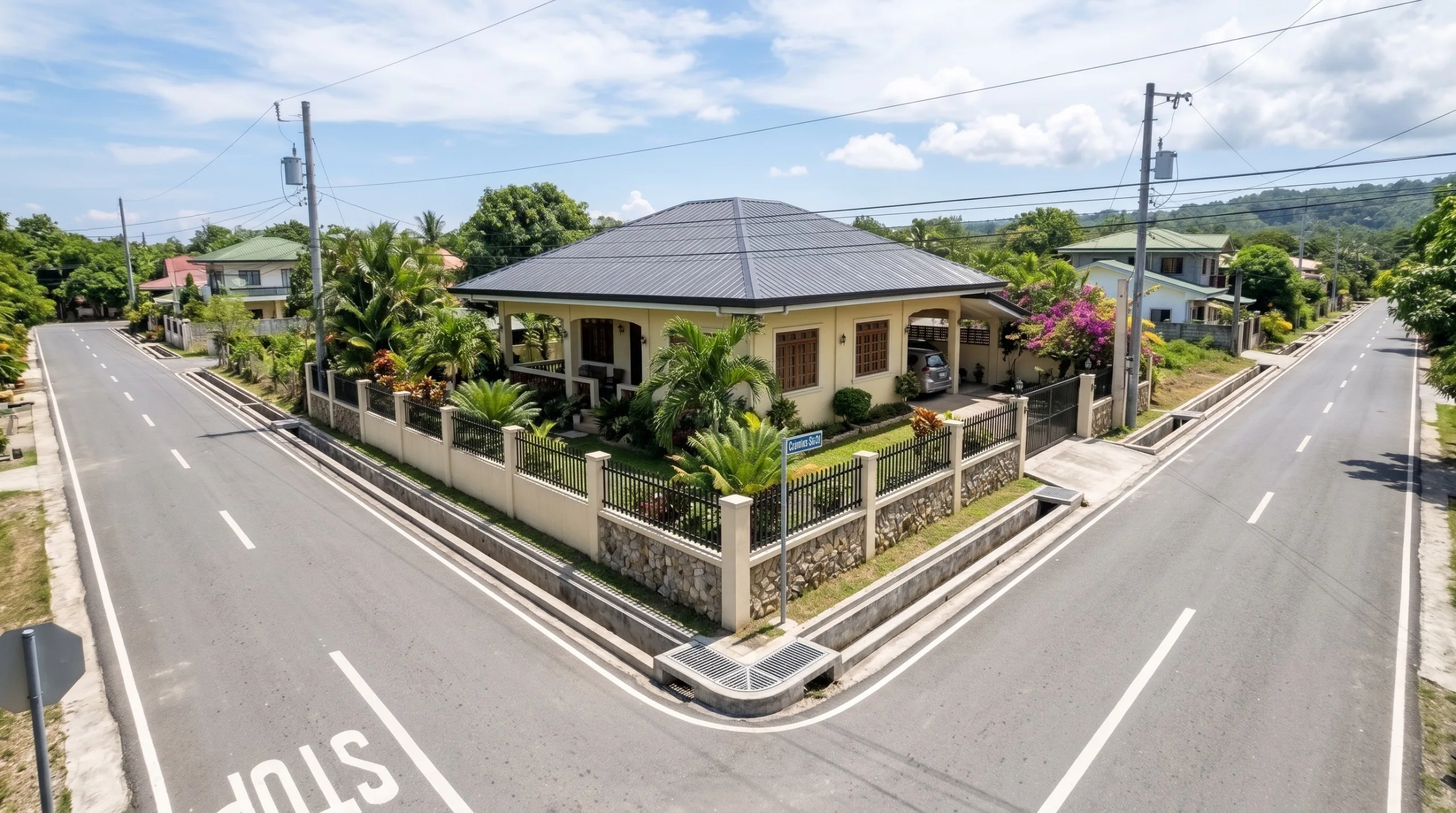
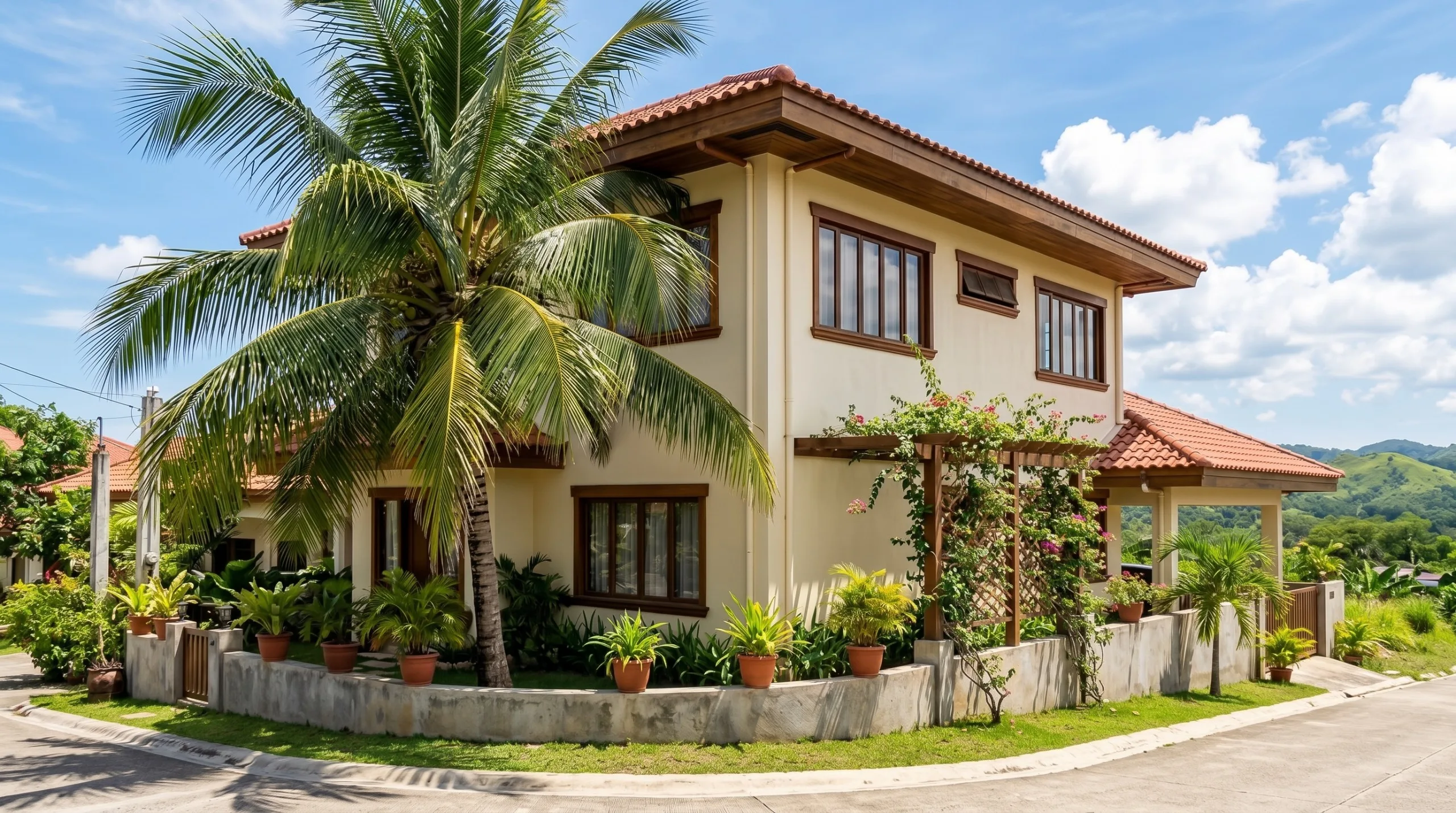
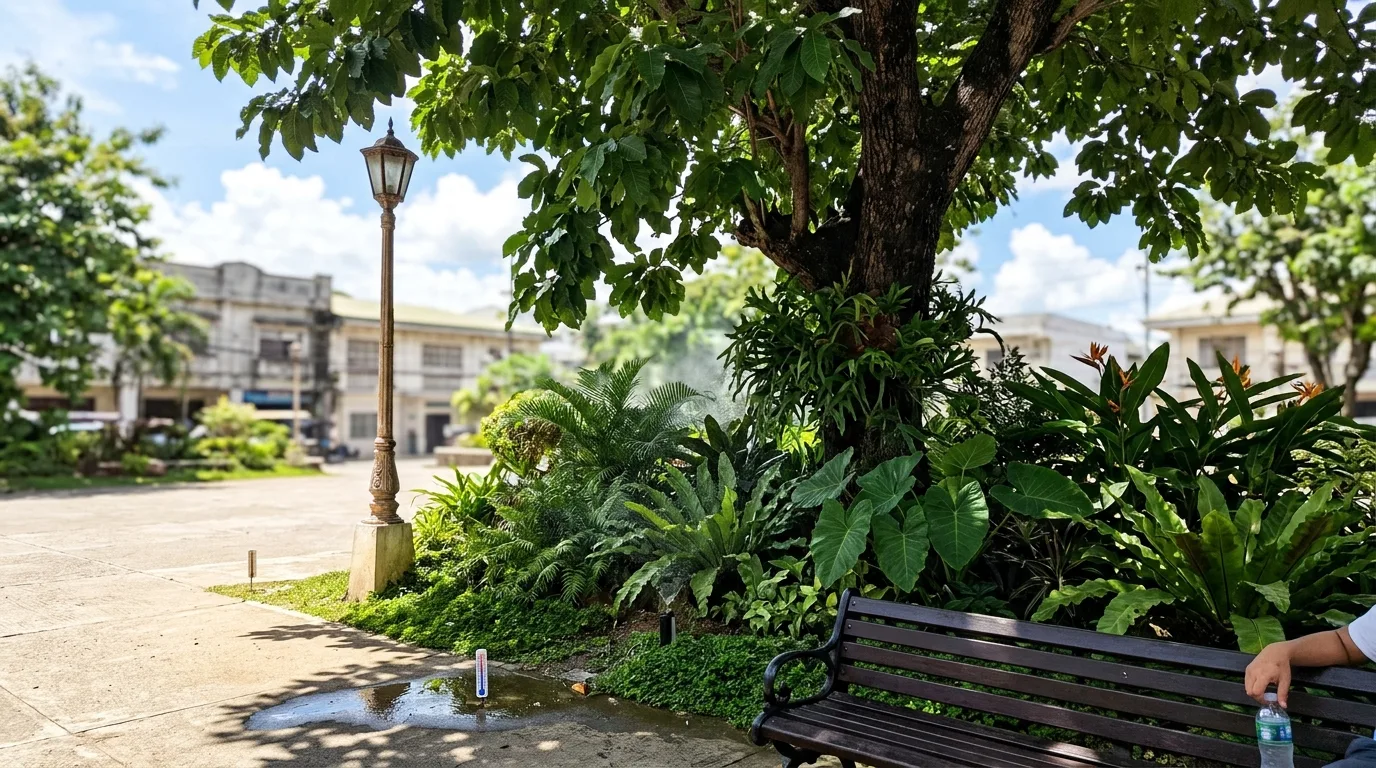
BOHOL - Trees are among the most effective natural sources of shade in residential areas. Their branches and leaves block direct sunlight from reaching roofs, walls, windows, and outdoor spaces, helping reduce the amount of heat absorbed by these surfaces. Planting suitable trees near driveways, gardens, and open yards can create cooler areas for resting and outdoor activities. When choosing trees for a home garden, residents should consider their mature size, root systems, and distance from buildings to ensure that they have enough room to grow safely.
Plants Help Cool the Surrounding Air
Plants contribute to cooling through a natural process called evapotranspiration, in which water moves from the soil through plant roots and leaves before being released into the air as water vapor. This process uses heat energy and can help lower temperatures around green spaces. Grass, shrubs, and leafy plants also cover exposed soil and surfaces that would otherwise absorb and radiate heat. A combination of trees, ground cover, and garden plants can therefore make yards and outdoor areas more comfortable, especially when there is enough soil moisture and healthy vegetation.
Green Spaces Make Residential Areas More Livable
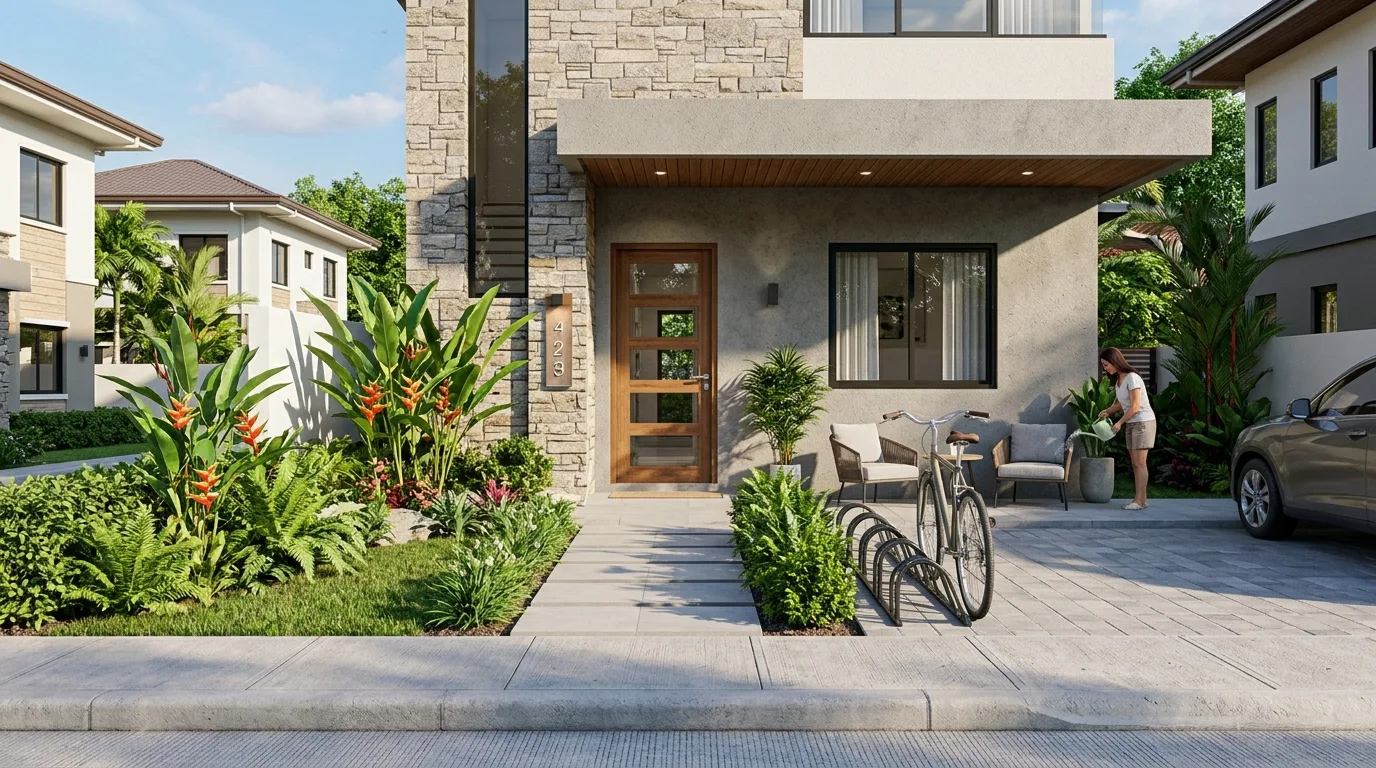
Homeowners and renters can introduce greenery even without a large yard. Potted plants, vertical gardens, climbing vines, and small garden beds can add vegetation to balconies, patios, and narrow outdoor spaces. Communities can also plant suitable trees along open areas and shared spaces to provide shade for pedestrians and residents. Choosing native or locally adapted plants can help reduce maintenance needs and support local wildlife. With thoughtful planting and regular care, gardens can become valuable features that improve outdoor comfort and make neighborhoods greener and more welcoming.