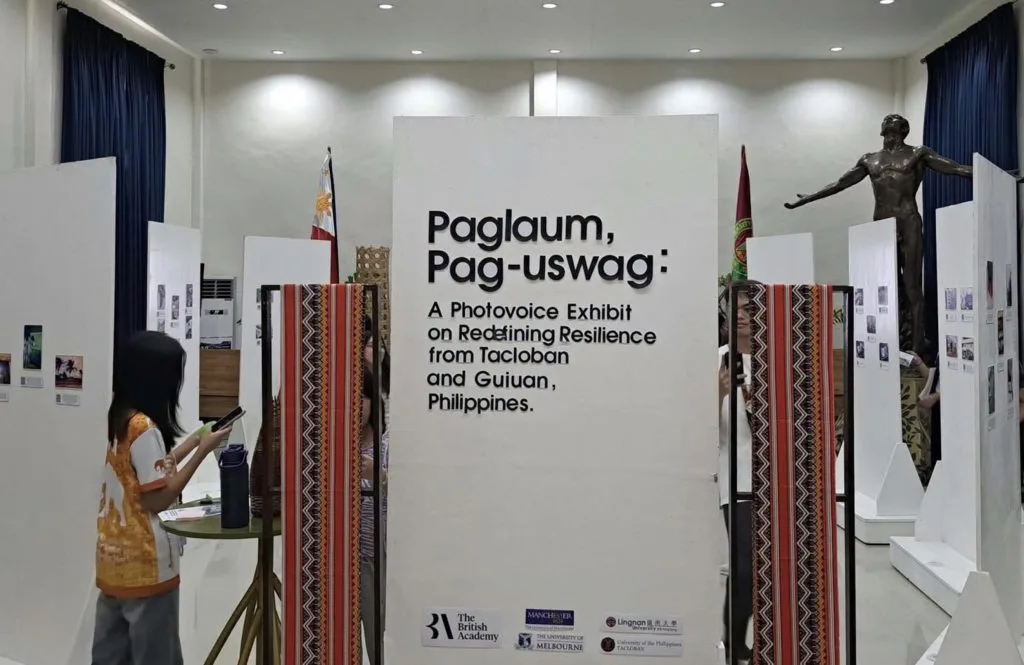
LEYTE — A groundbreaking exhibit at the University of the Philippines (UP) Tacloban is shifting the narrative on disaster resilience by centering the lived experiences of locals. The "Paglaum, Pag-uswag" photovoice exhibit showcases the aspirations of communities in Tacloban City and Guiuan, Eastern Samar, highlighting their enduring strength.
A Canvas of Survival and Hope
In a world that often seems to lurch from one crisis to another, natural and human-caused disasters dramatically alter lives. For communities in high-risk areas, these events bring loss, health crises, and displacement. Yet, they also serve as turning points toward greater wisdom and strength.
The exhibit showcased photographs, brochures, and poetry books that captured these raw experiences. Irene Tan, UP Tacloban vice chancellor for academic affairs, emphasized that the term "resilient" is often imposed by outsiders. This exhibit, however, provides a platform for locals to define what resilience truly means to them.
Localizing Disaster Preparedness
Sigmund Fletcher Tarrayo, a faculty member of the Department of Economics and Political Science, used the exhibit to appeal to the national government. He stressed that disaster risk reduction plans must not be a one-size-fits-all package, but rather localized and responsive to specific community needs.
By integrating local realities into public policies, the project aims to build deep trust within communities. It challenges the traditional top-down approach to disaster management, advocating for customized interventions that directly address the actual lived struggles of affected families and individuals.
The AHON Project’s Vision
The exhibit marks the culmination of the AHON project, which translates to "to rise up." Led by Dr. Angela Mae Minas of the University of Manchester in partnership with UP Tacloban, the project creates safe spaces for grassroots perspectives to shape climate-resilient development.
The initiative shifts the focus toward hope and progress, exploring what a "good life" means to those directly affected. It provides a vital space for community members to express their visions for the future, ensuring their voices are central in charting the path forward amidst a changing climate.
Empowering Community Voices
Visitors explored the display and shared their reflections through a freedom wall and a QR code for feedback. This interactive element sparked meaningful conversations on strengthening local emergency preparedness, turning the exhibit into a dynamic hub for community-led disaster mitigation strategies.
Ultimately, the exhibit proves that resilience is not an unyielding armor, but a complex and emotionally quiet process. By championing the voices of the people, the AHON project highlights the importance of building policies that reflect the true realities and aspirations of the locals.