CEBU — More than 102,000 Pantawid Pamilyang Pilipino Program (4Ps) households in Cebu received their one‑time cash assistance, as the government rolled out the expanded UPLIFT program to cushion low‑income families from rising fuel and food prices. The aid forms part of a nationwide effort reaching 7.5 million households.
A Swift and Complete Payout for 4Ps
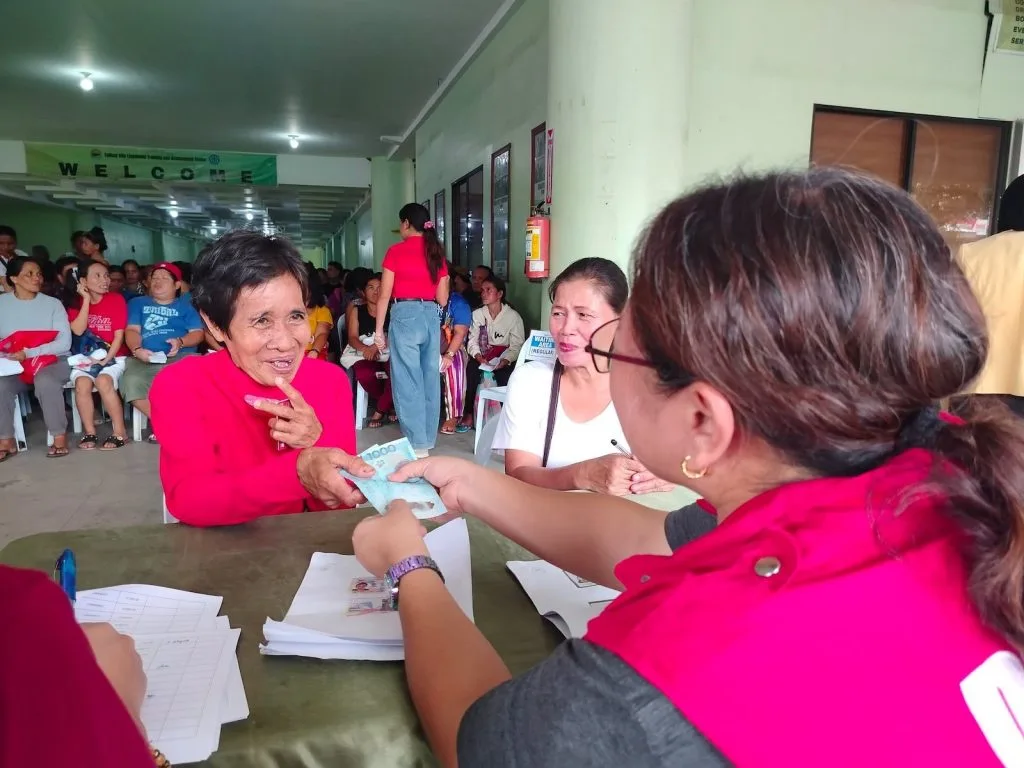
The Department of Social Welfare and Development in Central Visayas (DSWD‑7) confirmed that all 102,443 target 4Ps beneficiaries in Cebu received their ₱2,000 top‑up grant on schedule. Regional Director Shalaine Marie S. Lucero announced the 100‑percent completion during a press briefing, highlighting the agency’s efficient coordination with local government units. The funds were credited directly to existing Land Bank cash cards, ensuring immediate access for families.
The payout covered every eligible 4Ps household across Cebu’s cities and municipalities. Beneficiaries used their cards at automated teller machines, eliminating long queues and reducing travel costs. The smooth distribution demonstrated the readiness of the digital payment infrastructure in the province, which has been strengthened through years of social protection programs.
Beyond 4Ps: Reaching the Walang Gutom Families
Alongside the 4Ps payout, DSWD‑7 also began releasing ₱2,000 top‑ups to 19,579 beneficiaries of the Walang Gutom Program in Cebu. These funds are distributed during food redemption activities, where families collect their monthly food supplies. The payout started on July 21 and will continue through early August to ensure no one is left behind.
The Walang Gutom initiative targets families identified as food‑poor, providing them with both sustenance and financial relief. By combining the cash aid with the food redemption process, DSWD‑7 ensures that beneficiaries receive both immediate nourishment and purchasing power. The integration of services reflects a holistic approach to poverty alleviation.
A Broader Safety Net for Poor and Near‑Poor Households
The UPLIFT program extends beyond existing beneficiaries. DSWD‑7 aims to reach 98,350 poor and near‑poor households in Cebu under Group 2, who will receive ₱2,000 monthly from July to December. These families were identified through the 2024 Community‑Based Monitoring System and were previously unserved by major aid programs.
The first manual payout for this group commenced in July, with 676 Cebu beneficiaries receiving their initial grants. Subsequent payments will be delivered through digital banks and e‑wallets, ensuring a faster and more secure transfer of funds. Beneficiaries are required to present their National ID, with the Philippine Statistics Authority providing on‑site assistance for those without one.
Supporting Low‑Income Workers Through SSS
In addition to household‑based aid, the UPLIFT program covers low‑income workers in Cebu who are members of the Social Security System. Employees earning ₱20,000 or below per month and with active SSS contributions are eligible for ₱2,000 monthly for six months. The SSS Visayas Central 1 Division has provided DSWD with a list of potential beneficiaries.
The benefit is granted per household, with only one member—typically the oldest employed worker—receiving the assistance. This prevents duplication and ensures fair distribution. The payout is credited directly through the SSS system, leveraging existing digital infrastructure to reach working families efficiently.
Data-Driven and Community‑Centered Relief
The UPLIFT program’s success in Cebu rests on accurate data and inter‑agency collaboration. The PSA‑7 emphasized that the Community‑Based Monitoring System and National ID are crucial tools for identifying legitimate beneficiaries and eliminating fraud. The program is designed not just to provide temporary relief, but to strengthen the social safety net for the long term.
DSWD‑7 assured the public that the assistance reflects the government’s commitment to serving those most in need with professionalism and compassion. As the monthly payouts continue through December, thousands of Cebuano families can expect consistent support to weather economic challenges and build toward a more stable future.