When the Elders Become the Teachers
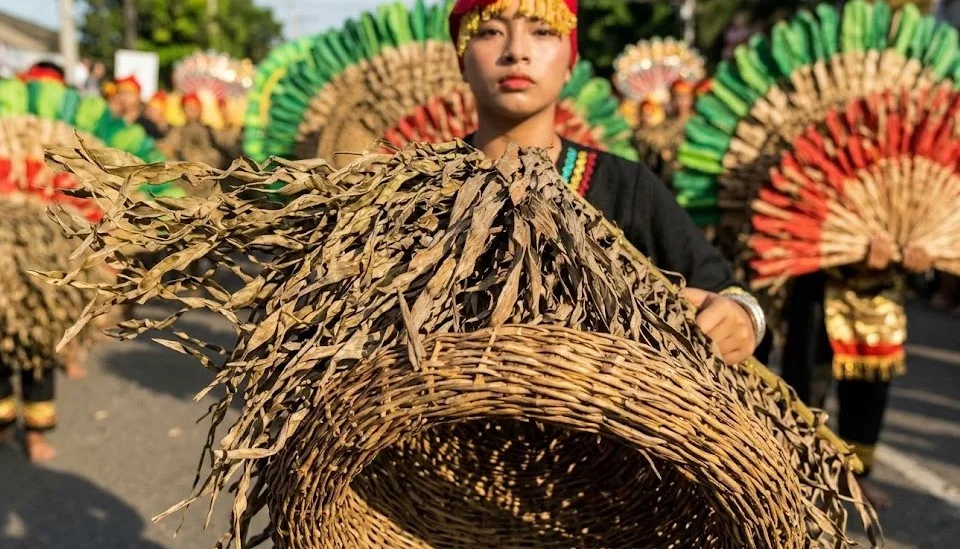
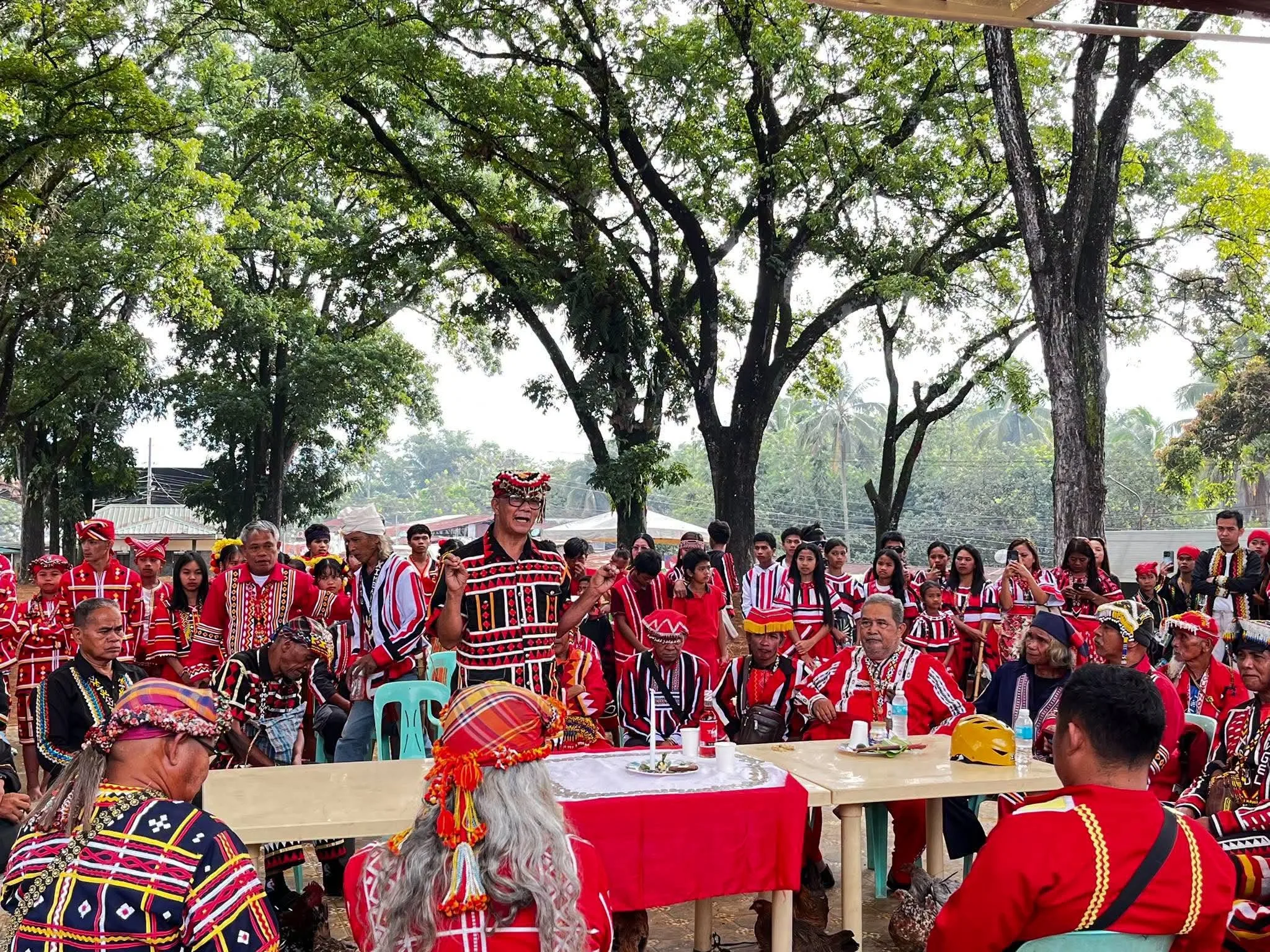
OZAMIZ CITY - One of the most meaningful features of the gathering was the decision to place IP elders at the center of the learning experience. Rather than treating indigenous knowledge as something that exists only in books or displays, the presentation allowed community members to demonstrate and teach traditional arts and crafts themselves. DepEd personnel took on a facilitating role, creating space for the knowledge holders to guide the cultural learning. This approach gives practical meaning to Indigenous Peoples Education because the people who live and practice these traditions remain directly involved in how they are shared. For Ozamiz, the participation of the Subanën community added its own voice to this regional exchange.
Sixteen Subanën Representatives Carry Ozamiz’s Story
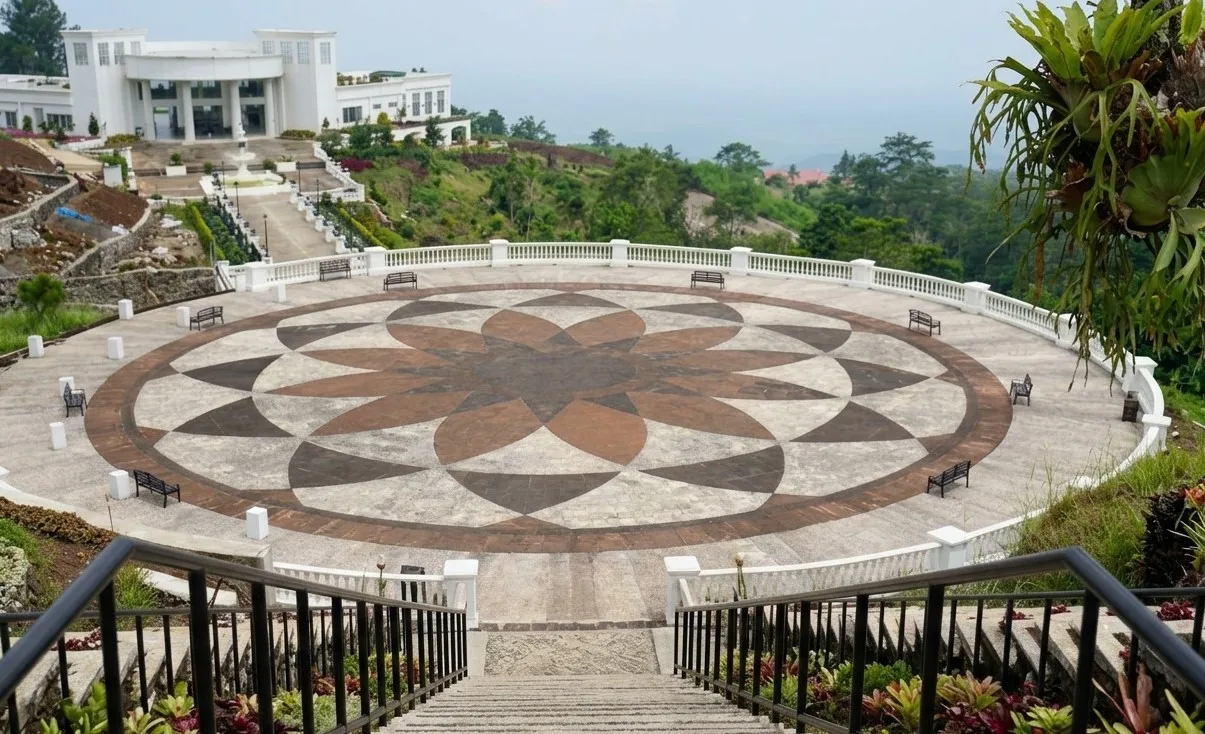
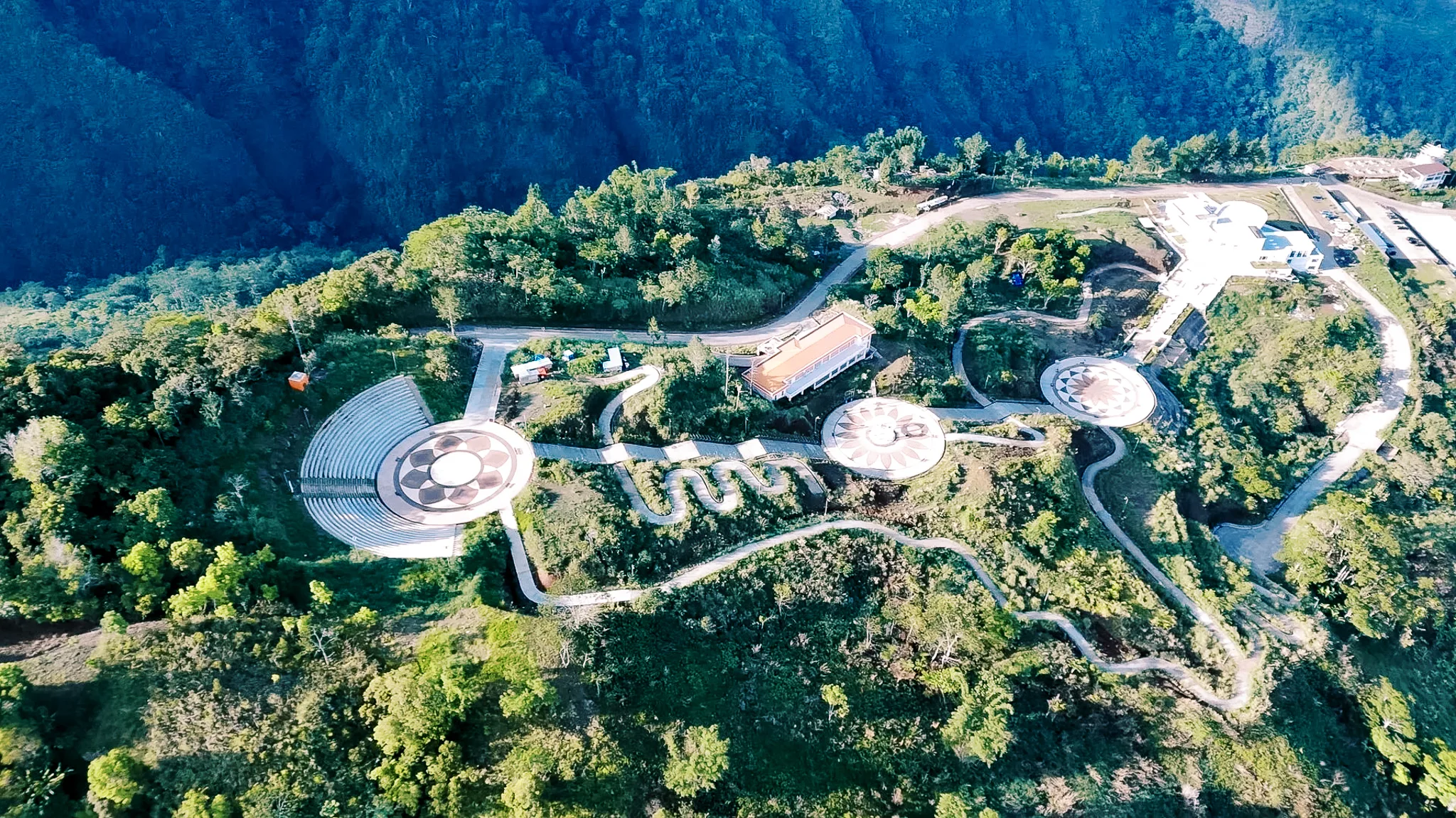
Ozamiz City was represented by 16 participants from the Subanën Cultural Community, bringing the city into a regional gathering that involved Indigenous Cultural Communities connected with the 14 Schools Divisions of Region 10. The setting in Kisolon, Sumilao, Bukidnon, made the presentation more than a classroom discussion because cultural knowledge was being shared in a community setting among people from different Indigenous groups. Each community has its own history, practices, and ways of understanding its surroundings, making an event like this an opportunity for cultural exchange without requiring those traditions to be treated as identical. Ozamiz’s Subanën representation therefore gave the city a place in a broader conversation about identity and heritage.
Keeping Knowledge Alive by Letting Communities Share It
The presentation also points to a simple but powerful idea: traditions have a better chance of continuing when younger generations can encounter them through the people who actually know and practice them. DepEd has previously emphasized the importance of working with Indigenous communities and elders when integrating Indigenous Knowledge Systems and Practices into education in Region X. The 2026 regional presentation gives that principle a visible community setting, with Indigenous participants taking an active teaching role. For Ozamiz, the Subanën delegation’s participation is therefore more than representation at an event; it is a reminder that cultural heritage can remain part of living education when communities have opportunities to teach, demonstrate, and pass it on.