Turning Waste Data Into Better Decisions
OZAMIZ CITY- Waste management involves more than collecting rubbish from streets and households. From April 13 to 17, 2026, all 51 barangays in Ozamiz City took part in a study led by the Department of Environment and Natural Resources provincial office in partnership with the city's Solid Waste Environment Management Office. The assessment examined biodegradable, recyclable, residual, and special waste to determine how much garbage communities generate and what it contains. According to the Philippine Information Agency, the results are intended to help shape the city's 10-year solid waste management plan. This process gives environmental planning a stronger foundation in measured information rather than estimates alone.
Why Environmental Performance Needs Measurable Results
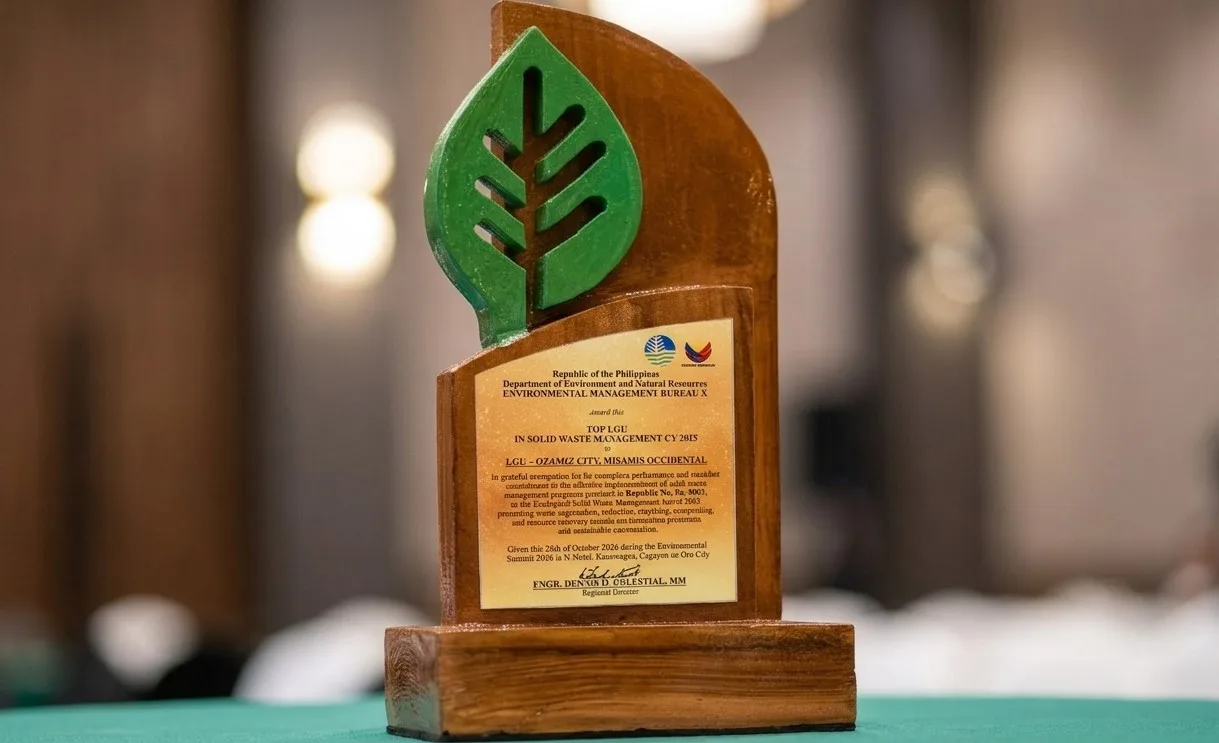
Recognition for waste management is most meaningful when it reflects work that can be documented and assessed. For a city, relevant indicators may include effective waste segregation, the recovery of recyclable materials, proper disposal practices, and participation across communities. Ozamiz's 2026 waste assessment offers a starting point for evaluating these areas by gathering information from every barangay. However, the available report describes the study and its planning purpose; it does not independently establish which award or formal recognition the city may have received. Confirming the recognition's awarding body, criteria, and date would help distinguish a verified achievement from a broader account of environmental initiatives.
A Shared Responsibility Beyond City Facilities
Long-term waste management also depends on the daily decisions made by households, shops, and community organizations. Separating biodegradable materials from recyclables and residual waste can make collection and recovery more manageable, while responsible disposal helps prevent litter from reaching waterways and public spaces. The information gathered through Ozamiz's citywide assessment can help planners identify the types of waste that require attention and determine where improvements may be needed. The next measure of progress will be how effectively such information translates into practical programs and consistent community participation. For residents, environmental responsibility begins with everyday habits; for public agencies, it includes providing workable systems and tracking whether those systems deliver results.