


Six Hundred Trees, One Meaningful Morning
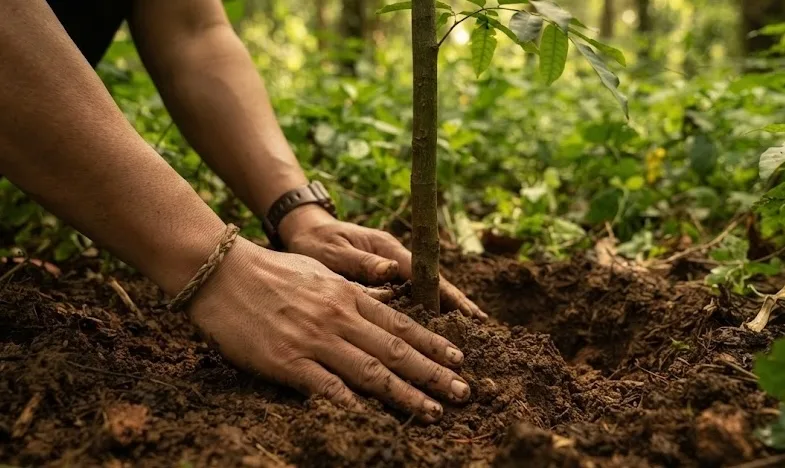
OZAMIZ CITY - The number itself makes the activity noteworthy: 600 Philippine-endemic narra seedlings were planted by Misamis University NSTP students at Capucao Farm in Ozamiz City, according to the university's August 7 report. Narra, scientifically known as Pterocarpus indicus, is the national tree of the Philippines. The planting therefore involved a species with a recognized place in Philippine natural and cultural heritage. More importantly, students were able to take part directly rather than simply learning about conservation through lectures. Activities such as tree growing give young participants a physical connection to environmental responsibility, turning an abstract idea like sustainability into something they can see, touch, and help nurture.
Capucao Farm Becomes a Classroom Without Walls
The choice of a farm in Barangay Capucao also gives the activity an interesting local dimension. Students were not required to travel far from the city to participate in an environmental initiative; the work happened within Ozamiz itself. That makes the farm a useful setting for hands-on learning, where students can connect their NSTP experience with actual environmental work. Misamis University has previously documented tree-growing activities at its Capucao Farm, including the planting of 500 narra seedlings in 2025. The 2026 activity therefore adds to an existing pattern of environmental participation at the site rather than appearing as a completely isolated undertaking.
A Small Seedling Today, A Different Landscape Tomorrow
Nobody can reasonably claim that 600 seedlings will immediately transform Ozamiz City's environment. Trees require time, suitable conditions, and continued care before their full ecological value becomes apparent. What can be said is that the activity creates a tangible starting point. Misamis University has described narra planting as part of its environmental stewardship efforts, while its 2026 activities also include other conservation initiatives connected with ecosystems in Misamis Occidental. The Capucao planting places students directly in that work. For Ozamiz City, the encouraging part is the participation itself: young residents are being given practical opportunities to contribute to the natural spaces surrounding their community.
