A System That Covers Hospital Expenses
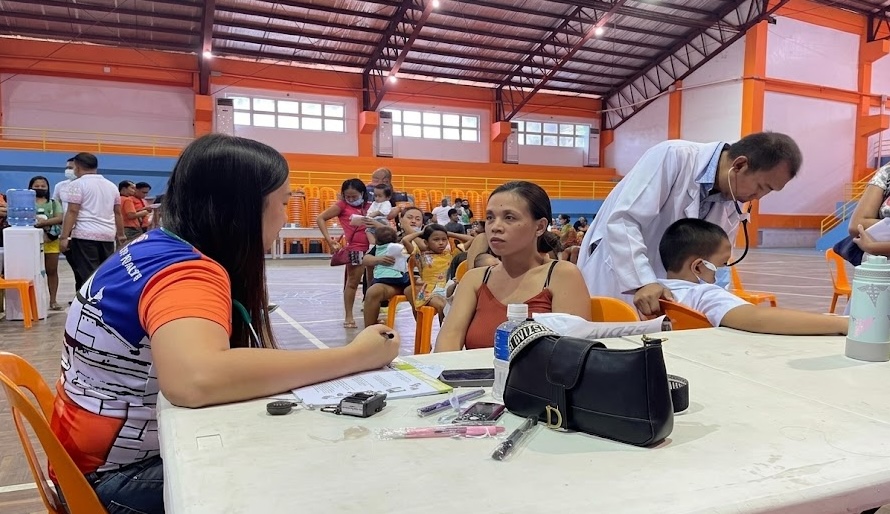
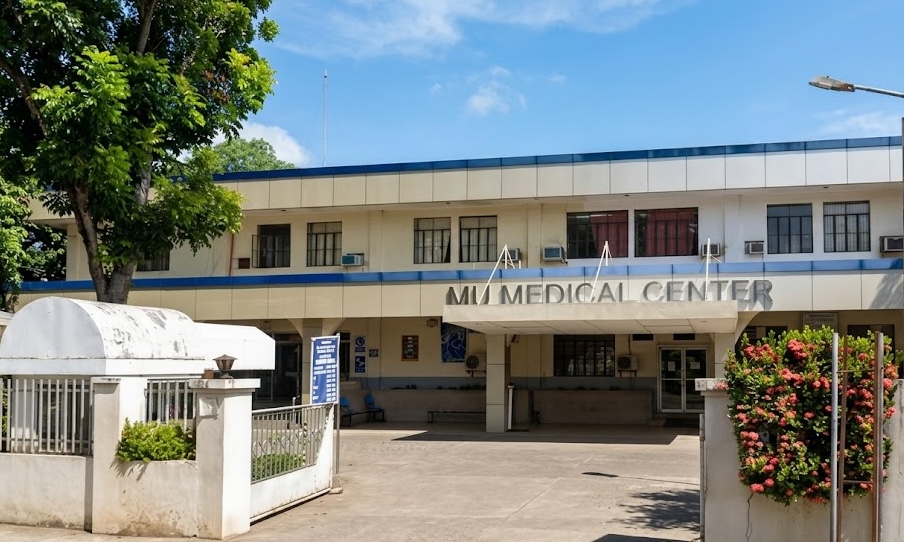
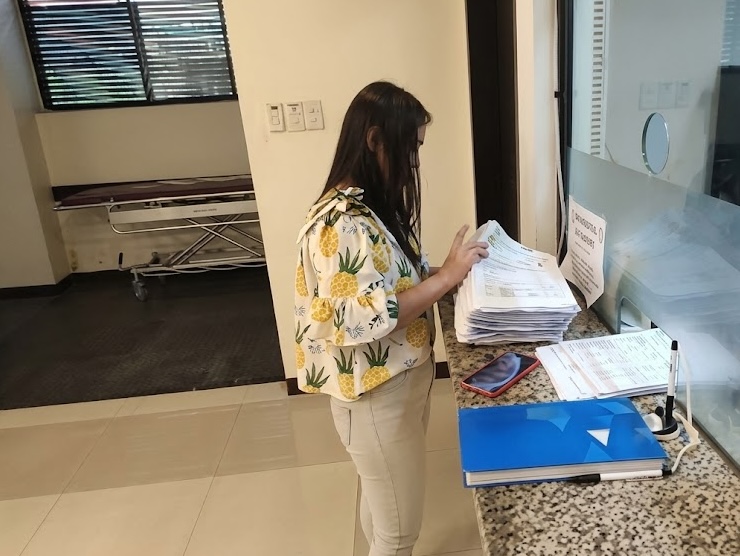
OZAMIZ CITY - The city government has implemented a healthcare assistance program designed to help cover hospital bills for qualified residents, significantly reducing out-of-pocket medical expenses. This initiative ensures that individuals facing medical emergencies or long-term treatment do not delay care due to financial limitations. In a reported period, millions of pesos were allocated to support both hospitalization costs and burial assistance for families in need. This reflects a strong commitment to social protection and equitable access to healthcare services at the local level. By easing financial burdens, the program helps improve overall health security for vulnerable households.
Collaboration With National Health Systems
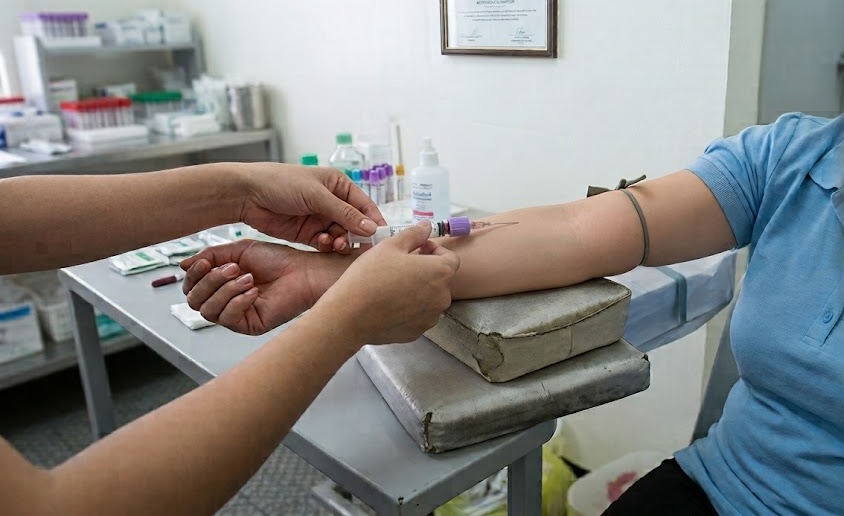
This local healthcare assistance program works in coordination with national systems such as PhilHealth to provide more comprehensive medical coverage for patients. By integrating city-level support with national insurance benefits, individuals gain access to a wider range of financial assistance for both inpatient and outpatient care. This collaboration helps reduce delays in treatment that are often caused by concerns over hospital expenses or medical fees. It also ensures better continuity of care for patients dealing with chronic illnesses, emergencies, or long-term recovery needs. Together, these systems create a more coordinated and reliable healthcare financing structure for residents.
Impact on Community Health Behavior
When healthcare services become more financially accessible, residents are significantly more encouraged to seek early medical consultation and timely treatment. This proactive behavior helps reduce the risk of complications that often arise from untreated or delayed medical conditions. It also fosters stronger trust and confidence in public healthcare institutions and government-supported health programs. Over time, improved access to affordable care contributes to better health-seeking habits among community members. Ultimately, this leads to healthier populations, reduced disease burden, and more positive long-term public health outcomes.