


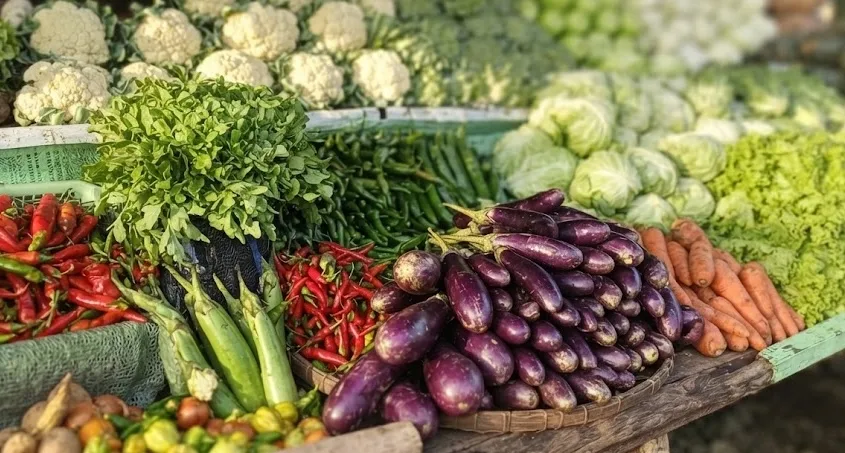
When the Farm Comes Closer to the Customer
OZAMIZ CITY - For many small agricultural producers, getting products from the farm to the consumer can be just as important as producing them. Community-based fairs and agricultural showcases give farmers a place where vegetables, processed food, plants, and other locally produced goods can be presented directly to potential buyers. In Ozamiz, this kind of activity adds another layer to the city's livelihood efforts because it gives producers an opportunity to demonstrate what their communities can supply. The value is not necessarily measured by one day's sales. A farmer who finds new customers, receives product feedback, or meets a potential business partner may gain something that continues beyond the event itself. For consumers, meanwhile, these activities provide a convenient way to discover products made or grown closer to home.
Small Producers Get More Than a Display Table
An agricultural fair can also function as an informal business laboratory. Producers can observe which products attract attention, compare prices, explain how their goods are made, and talk directly with people who may become repeat customers. This is particularly relevant for small enterprises that do not have the same advertising resources as established retailers. Ozamiz's local economy includes farmers, food producers, home-based businesses, and other small operators whose products can benefit from greater visibility. Government-supported market activities can therefore serve a practical purpose without requiring every producer to establish a permanent storefront. The approach also gives consumers a clearer connection between the products they purchase and the people who produce them. For a city with surrounding agricultural communities, that relationship can be valuable for both sides of the market.
A Local Food Story With Room to Grow
The bigger opportunity is turning occasional exposure into continuing demand. A successful agricultural showcase does not automatically guarantee higher farm income, but it can help producers discover which products have commercial potential and where additional improvements may be needed. Better packaging, consistent supply, pricing, and customer relationships can determine whether a product moves from a one-time fair purchase to a regular household choice. For Ozamiz, strengthening that connection could complement other economic activities already developing around the city. It also gives agriculture a more visible place in the local business conversation. Instead of viewing farmers only as recipients of assistance, market-oriented activities present them as producers with goods that can compete for customers. That shift in perspective can make local agriculture more connected to everyday commerce.
