A Day Where Knowledge Takes Center Stage
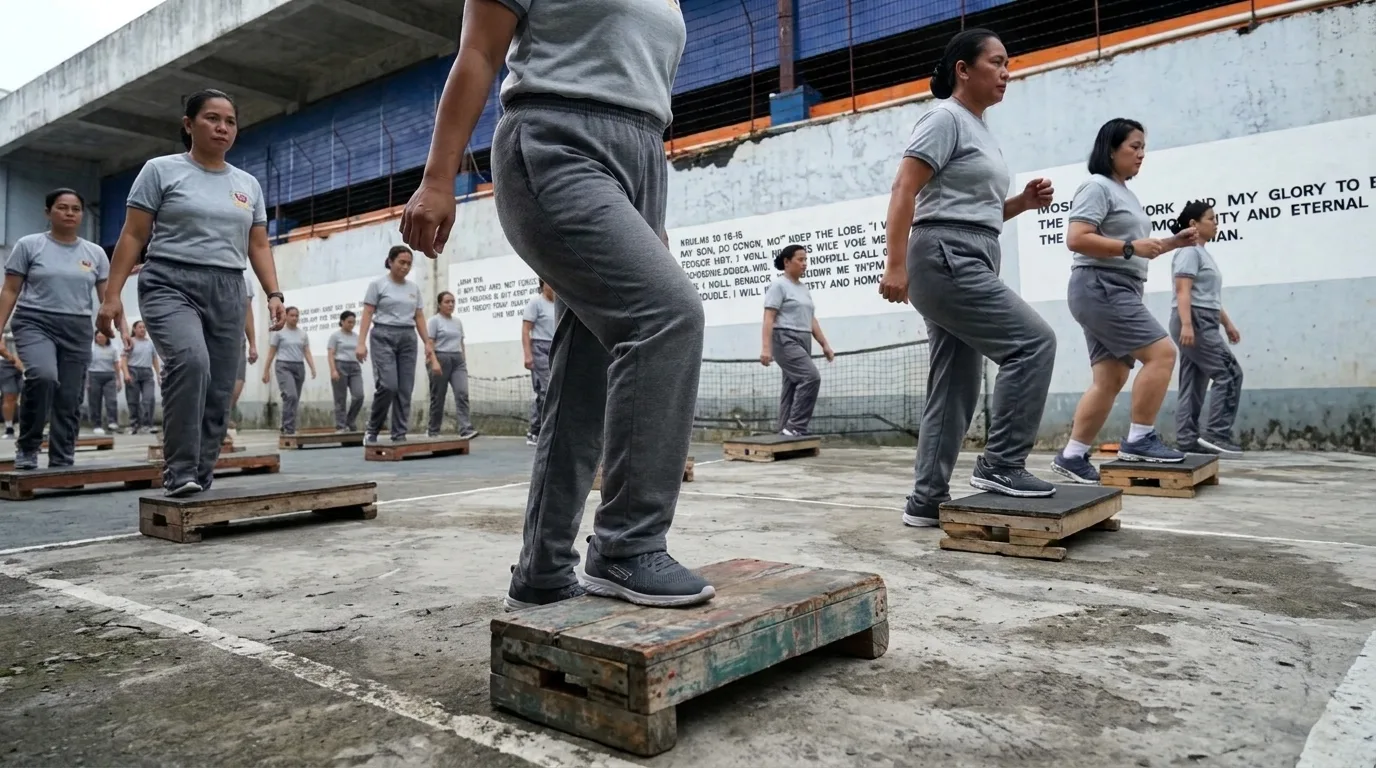
OZAMIZ CITY- Learning plays an important role in helping PDLs develop abilities that can serve them beyond their time inside correctional facilities. Through educational activities and opportunities to exchange knowledge, participants can strengthen their understanding of different subjects while building confidence in their capabilities. The NACOCOW celebration provides an opportunity to recognize these efforts and highlight the value of continuing education in correctional settings. Rather than defining individuals solely by their circumstances, activities centered on learning recognize their capacity to acquire new skills and pursue personal improvement. This makes education an important part of preparing individuals for a more constructive future.
Rhythm and Creativity Give Everyone a Voice
The inclusion of rhythm and harmony in the event's theme brings attention to the value of music, artistic expression, and cultural participation in personal development. Creative activities can give participants opportunities to communicate emotions, demonstrate their abilities, and work together toward a shared presentation. These experiences can also encourage discipline, cooperation, and confidence. Within a correctional environment, meaningful recreational and cultural opportunities provide another way for PDLs to participate in activities that recognize their individual talents. The celebration's creative theme highlights a side of rehabilitation that extends beyond formal instruction.
Recognizing Progress Beyond the Correctional Facility
The broader purpose of NACOCOW is to promote awareness of humane correctional services, rehabilitation, and the eventual reintegration of PDLs into society. These goals are reflected in the 2026 national theme, “Makataong Paglilingkod, Makabuluhang Rehabilitasyon, Pagbabagong may Layunin.” The Bureau of Jail Management and Penology emphasizes education, livelihood development, values formation, and pre-release assistance as important components of preparing individuals for life after detention. By recognizing learning and creative participation, the Ozamiz celebration contributes to a wider conversation about second chances and the importance of treating rehabilitation as a continuing process. Every opportunity to learn, create, and develop a useful skill can become part of a more hopeful path forward.