Philippines — The Philippine Health Insurance Corporation (PhilHealth), the country's national health insurer, has reported a substantial US$2.32 billion in benefit payments attributed to the period of January to April 2026. This figure, while referencing a future timeframe, highlights the immense financial scale of healthcare coverage provided to its members across the Philippines and to Overseas Filipino Workers (OFWs) globally.
Expanding Financial Coverage and Alleviating Medical Debt
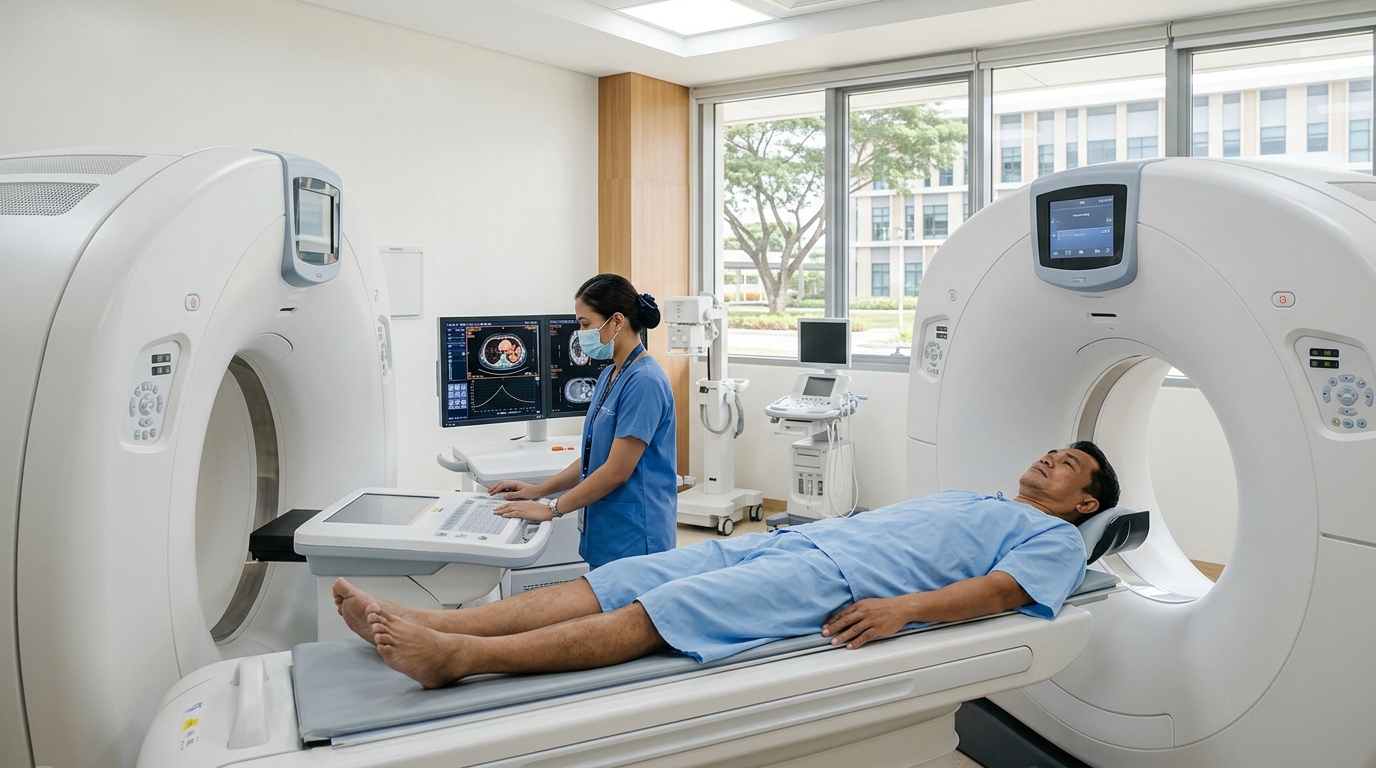
PhilHealth serves as a vital safety net, designed to pool health risks and provide financial assistance for medical services to all Filipinos. The reported US$2.32 billion in benefit payments, if actualized for the specified period, represents a significant outlay aimed at easing the financial burden of medical expenses for millions. This includes hospitalizations, surgeries, and other covered medical procedures, which are often a major concern for families.
Safeguarding Families and Preventing Catastrophic Out-of-Pocket Overhead
For millions of Filipinos, both domestically and abroad, PhilHealth is a cornerstone of healthcare security. OFWs, who contribute to the national economy through remittances, also contribute to PhilHealth, often with the primary goal of ensuring their families back home have access to essential medical care without facing catastrophic out-of-pocket expenses. A robust and well-funded PhilHealth directly translates to peace of mind for these workers, knowing their loved ones can receive necessary treatment. The sheer magnitude of the reported payment figure underscores the ongoing demand for healthcare services in the Philippines and the critical role PhilHealth plays in meeting those needs.
Maximizing Universal Insurance Allocations and Claim Verifications
Filipinos, particularly OFWs and their families, should remain informed about their PhilHealth benefits and coverage. Understanding the scope of services covered, the claims process, and the necessary contributions is crucial to maximizing the advantages of the national health insurance program. While the reported timeframe of January to April 2026 for these payments is notably forward-looking, it reinforces the continuous financial activity within the system. Ensuring membership and contributions are up-to-date is paramount for OFWs to secure healthcare access for their dependents in the Philippines, safeguarding against unforeseen medical emergencies and promoting the overall well-being of their families.