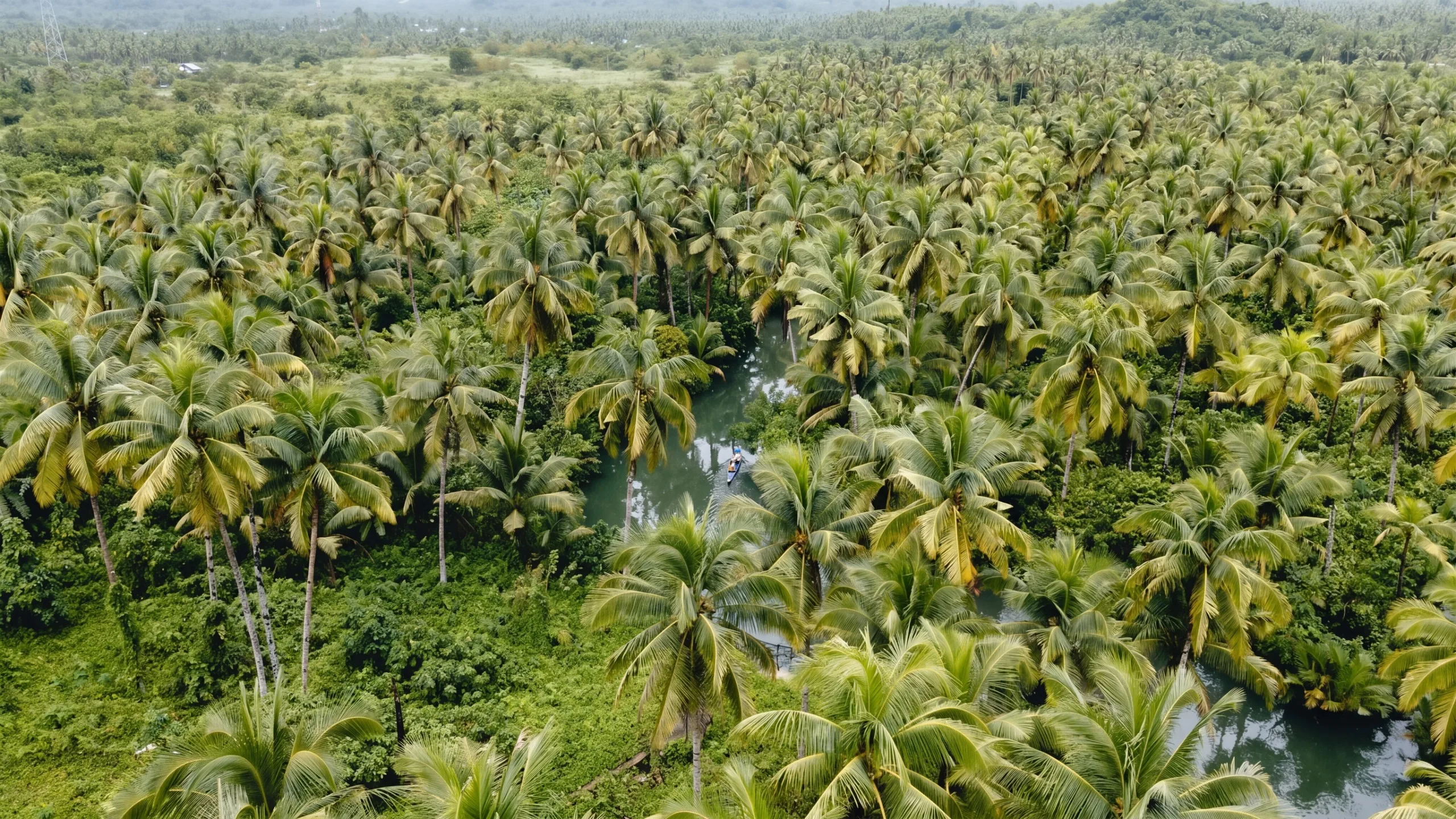
Palawan — In an effort to elevate high-yield crop production across southern Palawan, the Philippine Coconut Authority (PCA) joined hands with the National Irrigation Administration (NIA) to explore solar-powered irrigation systems for key seed farms. Preliminary technical inspections evaluated the agency's dedicated coconut seed facility situated in Bataraza town to establish sustainable water delivery systems. Integrating year-round irrigation promises to accelerate flowering phases for dwarf coconut varieties and significantly increase annual nut yields per tree. By safeguarding mother palms from dry spell stress, agricultural authorities aim to supply higher volumes of superior planting materials to farmers across island municipalities.
Joint Site Assessments Evaluate Solar Powered Water Systems For Bataraza Facility
Technical teams from the National Irrigation Administration completed comprehensive field assessments at the Philippine Coconut Authority seed farm in Bataraza. Engineers evaluated terrain conditions, solar exposure, and local water sources to design a tailored irrigation layout for the facility. If funding approvals proceed according to schedule, physical construction and system installations could commence by 2027. Establishing this facility marks a pioneer milestone as the first irrigated coconut seed farm managed directly by the provincial coconut authority. Continuous water distribution insulates mother trees against dry spells, maintaining optimum growth year-round.
Accelerated Flowering Timelines Expand Annual Yields For Provincial Agricultural Nurseries
Consistent moisture supply fundamentally changes growth cycles for dwarf coconut cultivars raised at the seed farm. When coconut palms face water deficits, flowering cycles delay and overall nut development drops significantly. Installing dedicated irrigation accelerates the initial flowering stage, yielding productive harvest results in under three years. Furthermore, healthy trees under systematic irrigation can produce up to 100 high-quality nuts annually. Expanding yield capacity allows agricultural officers to distribute larger inventories of sturdy planting materials to local farming communities.
Strategic Hybridization Projects Strengthen Long Term Coastal Agriculture Resilience
Alongside the main Bataraza seed farm, engineering assessments extended to the on-farm hybridization site in nearby Brooke's Point. Applying controlled irrigation at hybridization locations boosts the genetic quality and resilience of hybrid seed nuts cultivated for regional growers. High-yield coconut varieties help local farmers maximize output per hectare, translating directly into improved household earnings. Developing sustainable nursery infrastructure secures a steady pipeline of resilient coconut palms across southern Palawan. Collaborative agricultural planning creates a dependable foundation for long-term food security and rural enterprise.