


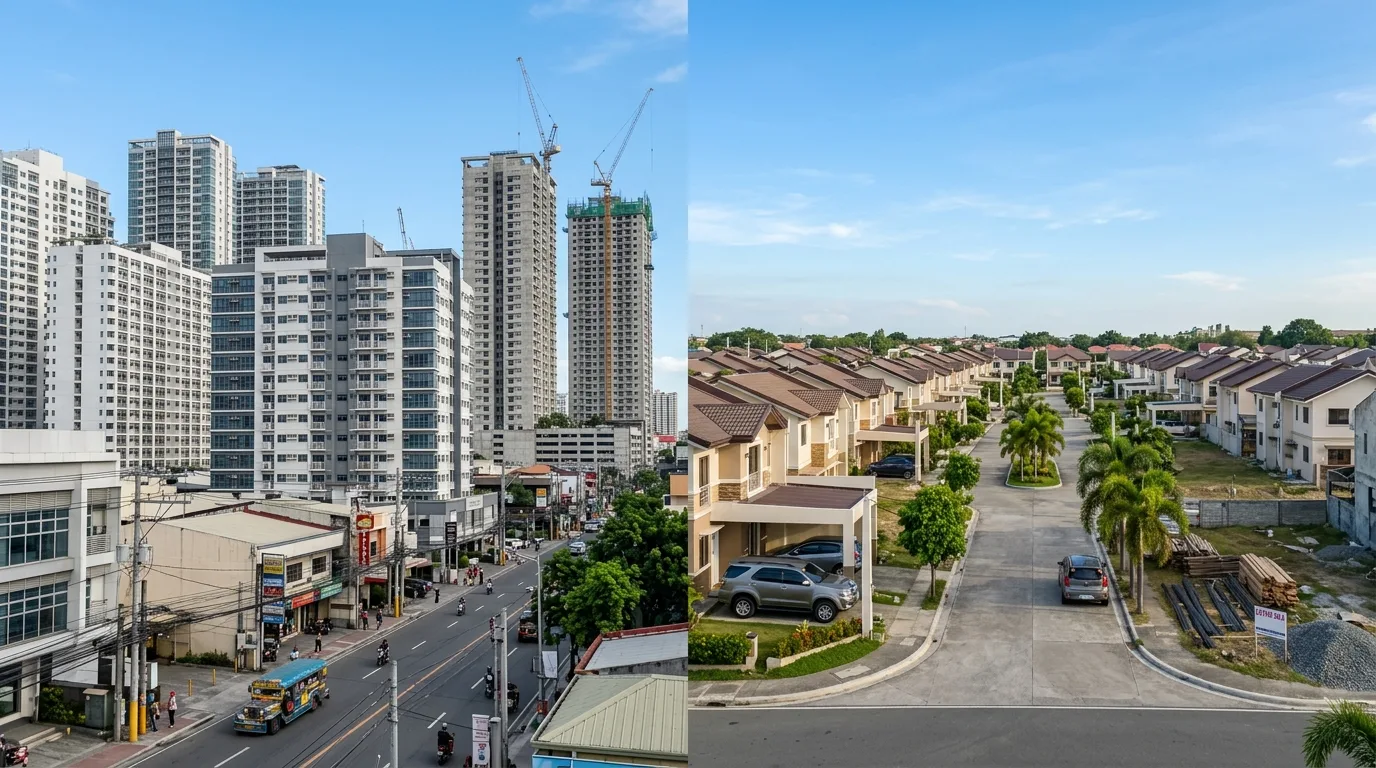
PHILIPPINES — The Philippine residential property market has split into two distinct tracks, with condominiums and landed homes moving in opposite directions during the second quarter of 2026. Data from the Bangko Sentral ng Pilipinas shows condominium prices accelerating while house prices decline.
A Market Moving in Two Directions
Condominium prices climbed 6 percent year-on-year from April to June, accelerating from 4.6 percent growth in the previous quarter. This upward momentum reflects sustained demand for vertical living in highly urbanized locations where proximity to employment centers and transportation networks supports property values.
Landed homes tell a different story. Prices for houses, which include single-attached and detached homes, apartments, townhouses, and duplexes, declined by 4.1 percent. This divergence between the two broad residential segments highlights how property type increasingly determines price performance across the country.
The contrasting movements kept nationwide residential property price growth at just 0.4 percent for the quarter. A single national figure masks the dramatic variations occurring within specific property categories. Buyers and investors must look deeper to understand actual market conditions.
The Metro Manila Advantage
Geography reinforces the divide. Residential property prices in Metro Manila increased by 5.2 percent during the quarter, while prices in areas outside the National Capital Region declined by 2.7 percent. The capital region continues to attract demand due to concentrated economic activity and infrastructure investment.
Condominiums tend to cluster in highly urbanized areas where land is scarce and vertical development is the norm. Metro Manila and other major cities offer employment opportunities, educational institutions, and retail destinations that sustain housing demand. These factors create a resilient pricing environment for well-located condominium projects.
Landed housing follows a different dynamic. House-and-lot developments extend across suburban and provincial markets where land availability and new supply can produce substantially different price movements. Local economic conditions, infrastructure quality, and inventory levels influence outcomes in these areas.
Why the Two Segments Diverge
The BSP's Residential Property Price Index, based on actual housing loans granted by banks, tracks these changes over time. The second-quarter results suggest the Philippine residential market is becoming increasingly segmented rather than moving as a single unit.
Condominium demand benefits from urban migration patterns and the concentration of business process outsourcing hubs. Young professionals and overseas Filipino workers often prefer condos for their convenience and rental potential. This steady demand supports price resilience in prime locations.
Landed properties face headwinds from broader supply conditions. New subdivisions continue to launch across various provinces, expanding inventory and giving buyers more options. This increased competition can moderate price growth, particularly in areas with less economic activity.
What the Numbers Mean for Buyers and Developers
For buyers, the divergence creates different considerations depending on their target segment. Stronger condominium prices may reflect greater resilience in certain urban locations. Softer house prices could potentially provide more room for negotiation when exploring landed properties.
For developers, the figures underscore the need to match new supply with local demand. Relying on national trends is insufficient when regional markets perform so differently. Accessibility, infrastructure, employment, and buyer profiles increasingly determine whether one market strengthens while another adjusts.
